Parliament Prorogued as Pension Schemes and English Devolution Bills Complete Their Passage
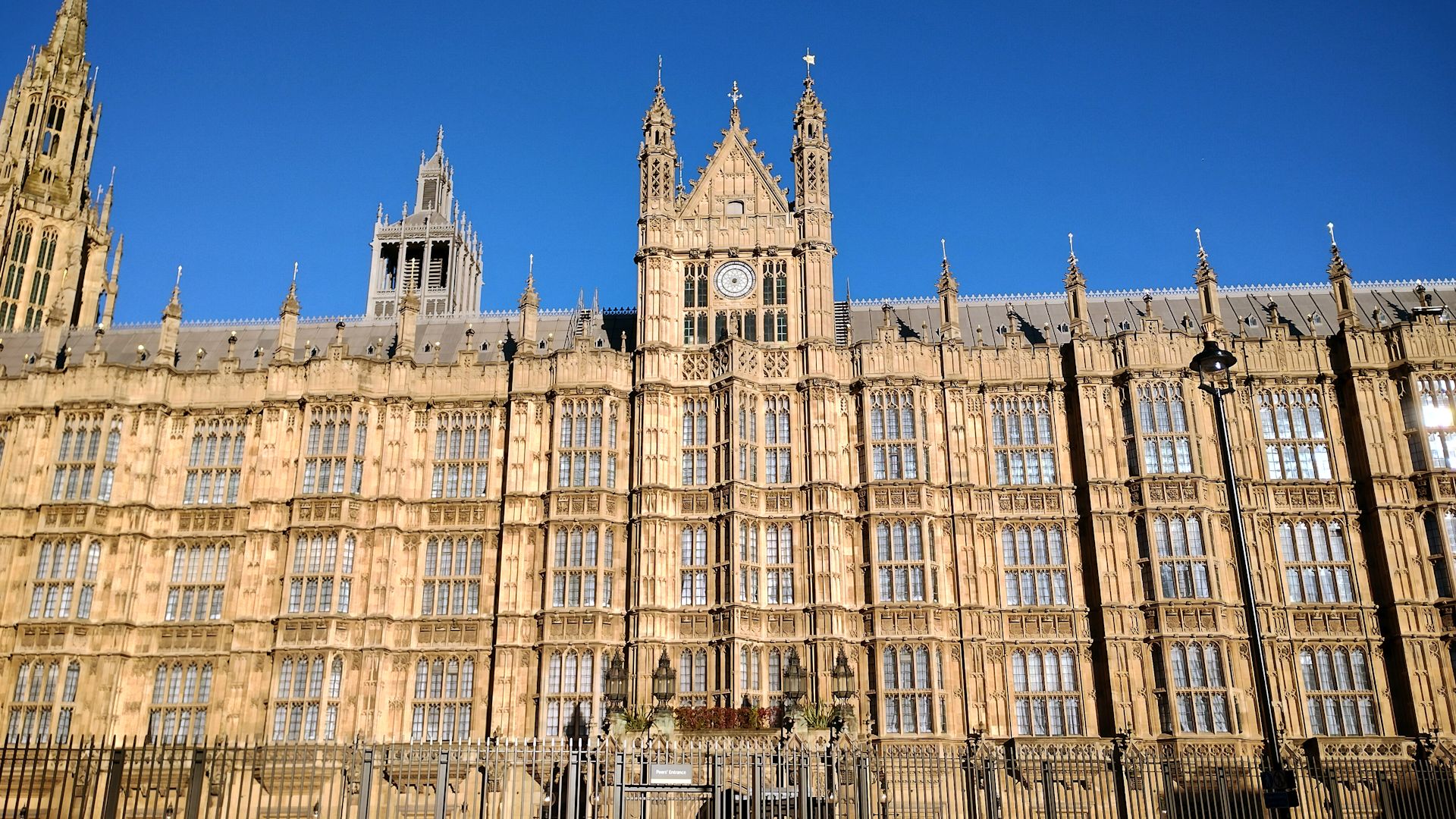
Parliament was formally prorogued on Wednesday 29 April, bringing the current legislative session to a close with a clutch of significant bills completing their passage into law — including the Pension Schemes Bill and the English Devolution Bill — while the Children's Bill returned to the House of Lords for further deliberation on the contentious question of social media restrictions for under-16s.Background
Prorogation marks the formal end of a parliamentary session, suspending the work of both Houses until the State Opening of Parliament, at which point the King's Speech sets out the government's legislative programme for the new session. The timing of this prorogation is politically significant: it comes just eight days before the May 7 elections in Scotland, Wales, and English local authorities, and amid considerable turbulence for the Starmer government over the Mandelson vetting scandal and questions about the Chancellor's future.
The Pension Schemes Bill has been one of the government's flagship pieces of legislation, designed to reform the UK's pensions landscape by consolidating smaller defined-contribution pension pots, improving governance standards, and giving the Pensions Regulator new powers. The bill has been broadly welcomed by the pensions industry, though some critics argued it did not go far enough in addressing the adequacy of retirement savings for lower-income workers.
The English Devolution Bill, meanwhile, represents the government's attempt to deliver on its promise of a "devolution revolution" — extending mayoral powers to more areas of England and creating a clearer framework for regional governance. The bill has been contentious, with regional mayors expressing frustration that Whitehall retained too much control over funding decisions, describing the relationship as a "begging bowl" culture.
Key Developments
Both the Pension Schemes Bill and the English Devolution Bill completed their parliamentary passage on Wednesday and are now set to receive Royal Assent, becoming law. The Children's Bill, which has been navigating a complex path through both Houses, returned to the Lords for further consideration on outstanding issues related to child social media use — specifically, the government's proposed restrictions on under-16s accessing certain platforms.
The Conduct Committee published a report on the conduct of Lord Stone of Blackheath, adding to a series of Lords conduct matters that have occupied the upper chamber in recent weeks. The Environmental Food and Rural Affairs (EFRA) Committee and the Environmental Audit Committee jointly endorsed the government's chosen candidate for the next Chair of the Office for Environmental Protection, though both committees emphasised the need for improved relations with both farmers and environmentalists — a balancing act that has proved elusive for successive governments.
The House of Lords completed its scheduled business for the session, with peers addressing a range of secondary legislation and committee reports before the formal prorogation ceremony. The State Opening of Parliament, at which King Charles will deliver the King's Speech outlining the government's new legislative programme, is expected in the coming weeks.
Why It Matters
The passage of the Pension Schemes Bill is significant for millions of workers across the UK who have accumulated multiple small pension pots through job changes — a growing phenomenon in the modern labour market. The consolidation provisions are designed to ensure that money is not lost to administrative fees in dormant accounts, and the improved governance standards should benefit savers over the long term. For context, the UK has an estimated 2.8 million deferred pension pots worth less than £1,000, many of which are effectively invisible to their owners.
The English Devolution Bill's passage is more politically complex. While it represents genuine progress on regional empowerment, the frustrations expressed by regional mayors — including those in Greater Manchester, the West Midlands, and the North East — suggest that the relationship between Whitehall and the regions remains fundamentally unequal. Unlike Scotland's devolution settlement, which transferred substantial tax-raising powers, the English model remains heavily dependent on central government approval for major spending decisions.
Local Impact
For workers across the UK, the Pension Schemes Bill's consolidation provisions will make it easier to track and manage retirement savings accumulated across multiple employers. For communities in England's devolved regions, the Devolution Bill offers the prospect of greater local control over transport, skills, and economic development — though the extent of real autonomy will depend on how the Treasury implements the funding arrangements. In Northern Ireland and Scotland, the bills have no direct application, but the precedents they set for the relationship between central and devolved government are watched closely at Stormont and Holyrood.
What's Next
The State Opening of Parliament will set the agenda for the new session. The Children's Bill will return to the Lords for further consideration, with the social media restrictions for under-16s remaining the most contested element. The May 7 elections will dominate the political landscape in the immediate term, with results expected to shape the government's legislative priorities for the new session. The Office for Environmental Protection chair appointment will be confirmed following the committee endorsement.
Sources: UK Parliament — Business of the House, 29 April 2026; BBC Two Politics Live, 29 April 2026