Reform UK on Course for Historic Local Election Gains as Labour Faces Wipeout in Northern Heartlands
With just over a week until polling day on 7 May, the most comprehensive modelling of the 2026 English local elections points to a political earthquake: Reform UK is projected to seize control of councils across the Midlands, the North, and rural England, while Labour faces the prospect of losing 50 local authorities and the Conservatives brace for further erosion of their traditional base.Background
The 2026 local elections cover 5,066 council seats across 136 English local authorities, including London boroughs, metropolitan boroughs, unitary authorities, county councils, and district councils, as well as six directly elected mayors. They represent the second set of local elections under Prime Minister Keir Starmer's premiership, and they are taking place in a political environment that has shifted dramatically since Labour's landslide general election victory in July 2024.
Labour's national vote share has collapsed from approximately 35% at the 2022 local elections — when the party was riding high on anti-Partygate sentiment — to around 20% in current polling. That collapse has not primarily benefited the Conservatives, who are themselves under sustained pressure from Reform UK in Leave-voting areas and from the Liberal Democrats in the south. Instead, it is Reform UK and, to a lesser extent, the Green Party that have absorbed the disaffected vote.
The elections have also been complicated by a protracted row over postponements. The government had sought to delay some elections to allow for local government reorganisation, but following a legal challenge by Reform UK and advice that the move could be unlawful, the government reversed course in February 2026. All scheduled elections will proceed on 7 May.
Key Developments
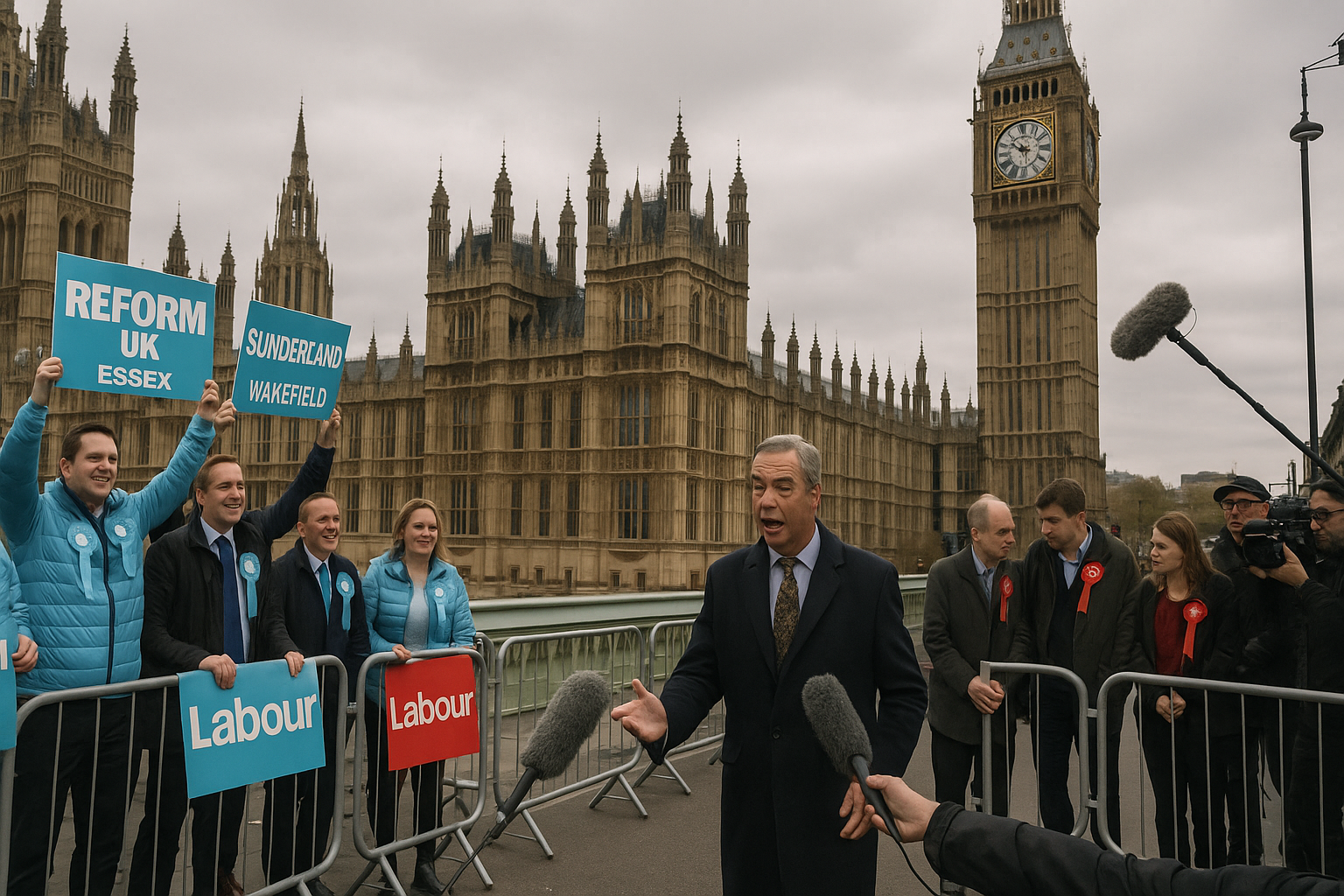
A YouGov MRP model based on fieldwork from 27 March to 27 April projects Reform UK to win the highest vote share in 11 out of 13 West Midlands councils, with double-digit leads in areas including Cannock Chase, Dudley, Nuneaton, Redditch, Tamworth, and Walsall. PollCheck's projections indicate Reform UK could take control of county councils in Essex, Norfolk, and Suffolk — representing a significant realignment in England's rural heartlands — as well as metropolitan boroughs including Sunderland, Thurrock, and Wakefield.
An MRP poll conducted by Electoral Calculus on behalf of PLMR, with fieldwork from 27 March to 7 April, places Reform UK on 24% of the national vote share, ahead of the Conservatives on 21% and Labour on 17%. Overall, Reform UK is projected to gain around 1,380 council seats across England. Labour is forecast to lose 1,400 seats and potentially control of 50 local authorities. The Greens, under new leader Zack Polanski, are projected to gain around 700 councillors and could win outright control of several inner London boroughs.
BBC One will broadcast a party election broadcast by Reform UK this evening, 29 April, as the campaign enters its final stretch.
Why It Matters
These projections, if realised, would represent the most significant realignment in English local government since the Blair landslide of 1997. Reform UK winning control of county councils in Essex, Norfolk, and Suffolk would give the party real governing experience and a platform to demonstrate — or fail to demonstrate — that it can deliver public services as well as it can campaign. That is a test that populist parties frequently struggle to pass.
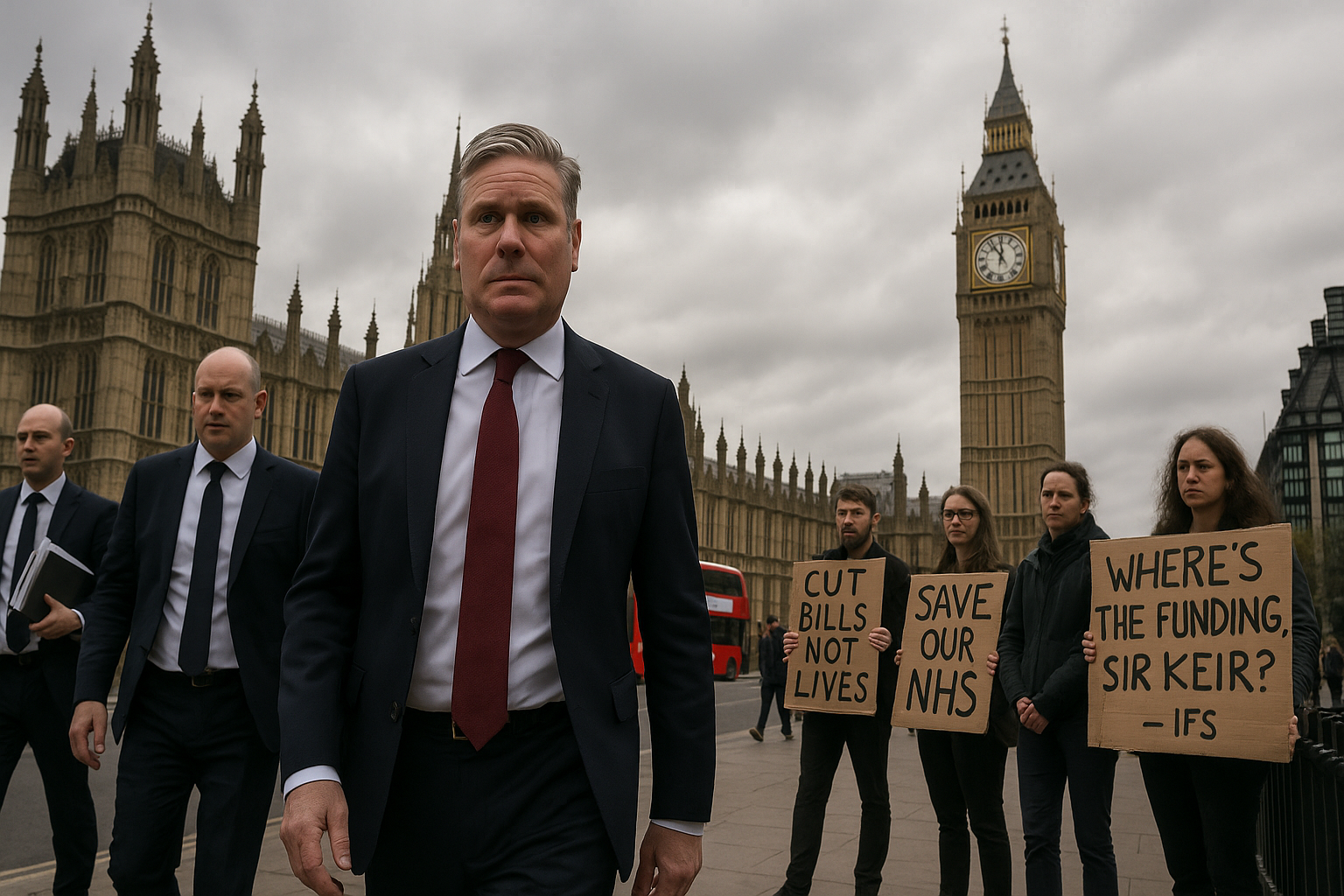
For Labour, the scale of the projected losses is existential in its implications. The party is defending seats won during the Partygate era when its polling was at 35%. Losing 50 councils would not just be an electoral setback — it would raise fundamental questions about whether Starmer's government has a coherent strategy for reconnecting with working-class voters in the North and Midlands who have migrated to Reform. Unlike Scotland, where Labour has shown some signs of recovery under Anas Sarwar, there is no equivalent green shoot in the English heartlands.
Local Impact
For voters across England, the practical consequences of these elections will be felt in bin collections, planning decisions, social care provision, and local transport. Reform UK has been deliberately vague about its specific policy platform for local government, beyond a general commitment to cutting what it describes as "wasteful" spending. In areas like Sunderland and Wakefield, where public services are already under significant strain, the question of what Reform would actually do in power is not an abstract one. In Northern Ireland and Scotland, where these elections do not apply, the results will nonetheless be watched closely as a barometer of the UK's political direction.
What's Next
Polling day is Thursday, 7 May. Results will begin to come in overnight and through Friday, 8 May. The first major bellwether will be Sunderland, which has historically been among the first councils to declare. If Reform UK takes Sunderland from Labour, it will set the tone for a dramatic night. Prime Minister Starmer is expected to hold a press conference on the morning of 8 May regardless of the results. The next UK general election is not due until 2029, but a catastrophic local election performance could accelerate internal pressure on the Labour leadership.
Sources: YouGov MRP | PollCheck Projections