Starmer Warns of 'Fierce Storm' Ahead as UK Holds Firm on Iran War Stance
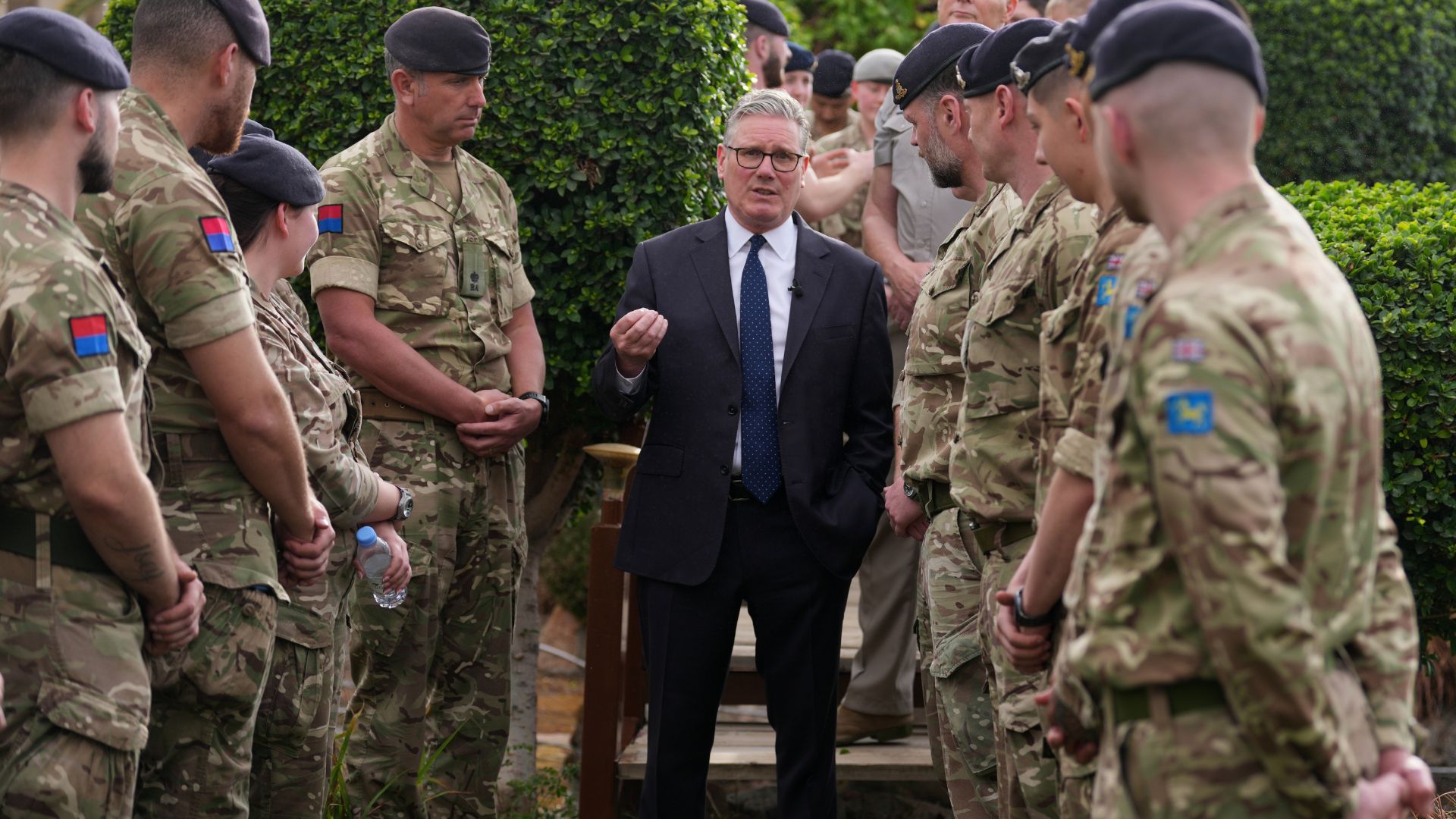
Prime Minister Keir Starmer has delivered a sombre address to the nation, warning that the economic fallout from the ongoing conflict with Iran will be "fierce" and that the months ahead will "not be easy" for British households and businesses.
Speaking from Downing Street, Sir Keir outlined the government's strategy for navigating the crisis, which centres on three key pillars: resisting calls for immediate emergency economic intervention, maintaining the UK's position that "this is not our war," and pursuing a deliberate pivot towards closer ties with the European Union.
No Emergency Measures — Yet
Despite mounting pressure from opposition parties and some within his own, the Prime Minister declined to introduce sweeping emergency measures to cushion the blow of soaring energy and fuel costs. The government's current approach relies on the existing energy price cap to protect consumers for the next three months, with any further household energy support not anticipated until the autumn.
The Green Party has called for billions in subsidies from July, while the Conservatives and Reform UK are demanding the immediate removal of VAT from energy bills. Starmer acknowledged the pressure but signalled he would wait to assess the full economic impact before committing to large-scale spending.
Resisting US Pressure
A significant element of the Prime Minister's address was a clear divergence from the United States' position. Despite US President Donald Trump's repeated criticism — including calling Starmer "cowardly" and describing Britain's aircraft carriers as "toys" — Sir Keir firmly maintained that the UK would not be drawn into direct military engagement.
He was careful to insist that the broader transatlantic alliance remains strong in security and intelligence cooperation, even as the personal relationship between the two leaders has become strained. The UK has, however, allowed the use of British bases by US forces for defensive operations and missions aimed at reopening the Strait of Hormuz.
A European Pivot
The Prime Minister used the press conference to signal a deliberate and pronounced effort to seek closer ties with the European Union, framing it as a key part of the UK's strategy to weather the economic storm. While reaffirming that the UK will not rejoin the single market or customs union, the government's language suggests a desire to align as closely as possible with the EU from the outside.
The UK is also set to host meetings with 35 allied nations, with Foreign Minister Yvette Cooper leading discussions aimed at reopening the Strait of Hormuz — a crucial energy shipping route that Iran has effectively blocked since the conflict began.
What's Next
The coming weeks will test the government's strategy as energy bills are forecast to rise sharply in July, with plausible scenarios seeing annual household bills increase by between £130 and £450. The Prime Minister's decision to hold off on immediate intervention is a calculated gamble that will face increasing scrutiny as the economic and political pressures mount.
For the latest updates, follow BBC News.