Starmer Warns 'A Lot of Work to Do' as He Pushes for Permanent Strait of Hormuz Reopening
Prime Minister Sir Keir Starmer has arrived in Saudi Arabia on a diplomatic mission to help secure a lasting ceasefire between the United States and Iran, warning that while there is a "real sense of relief" following the two-week truce, significant work remains to ensure the Strait of Hormuz is fully and permanently reopened.
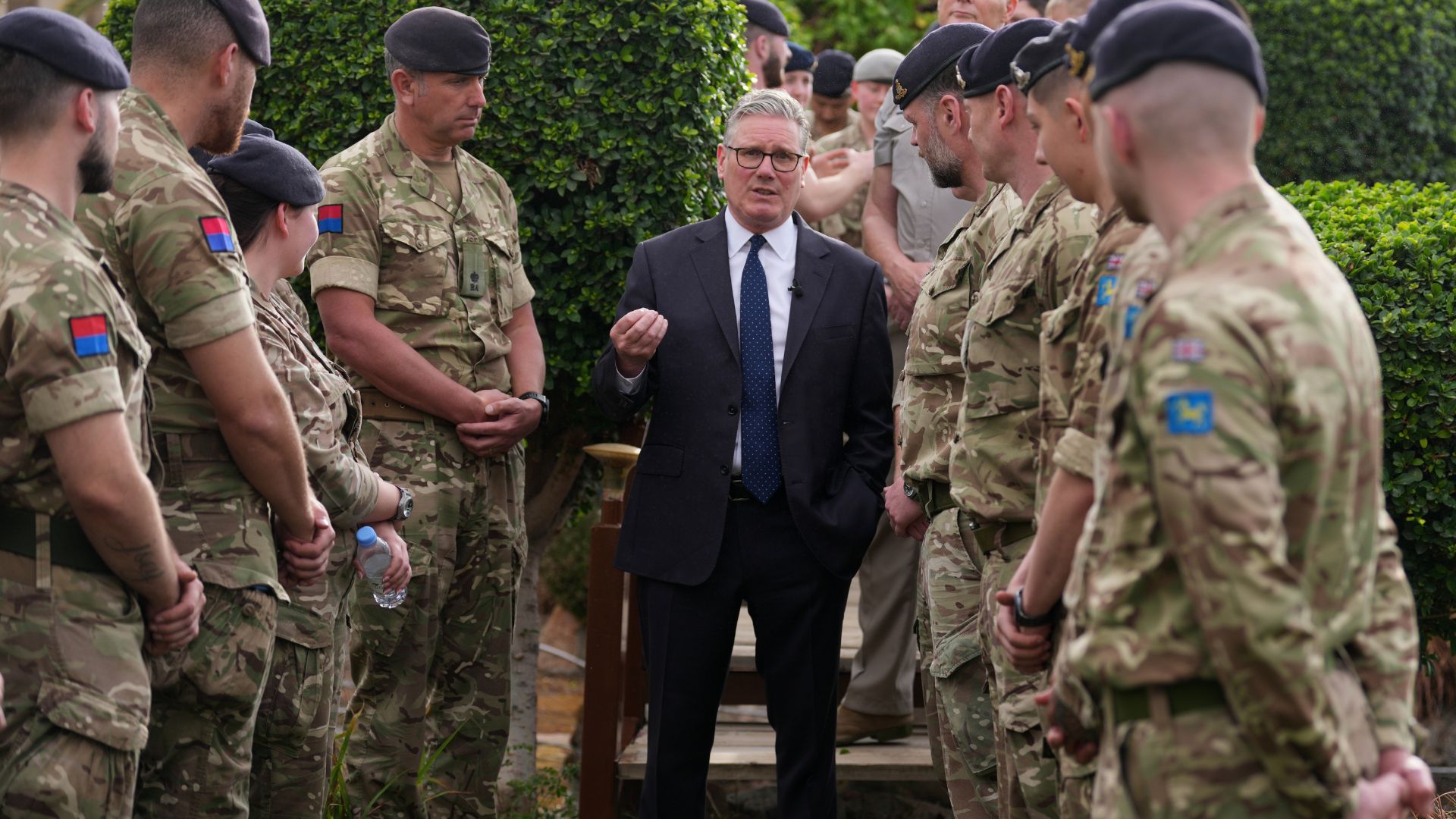
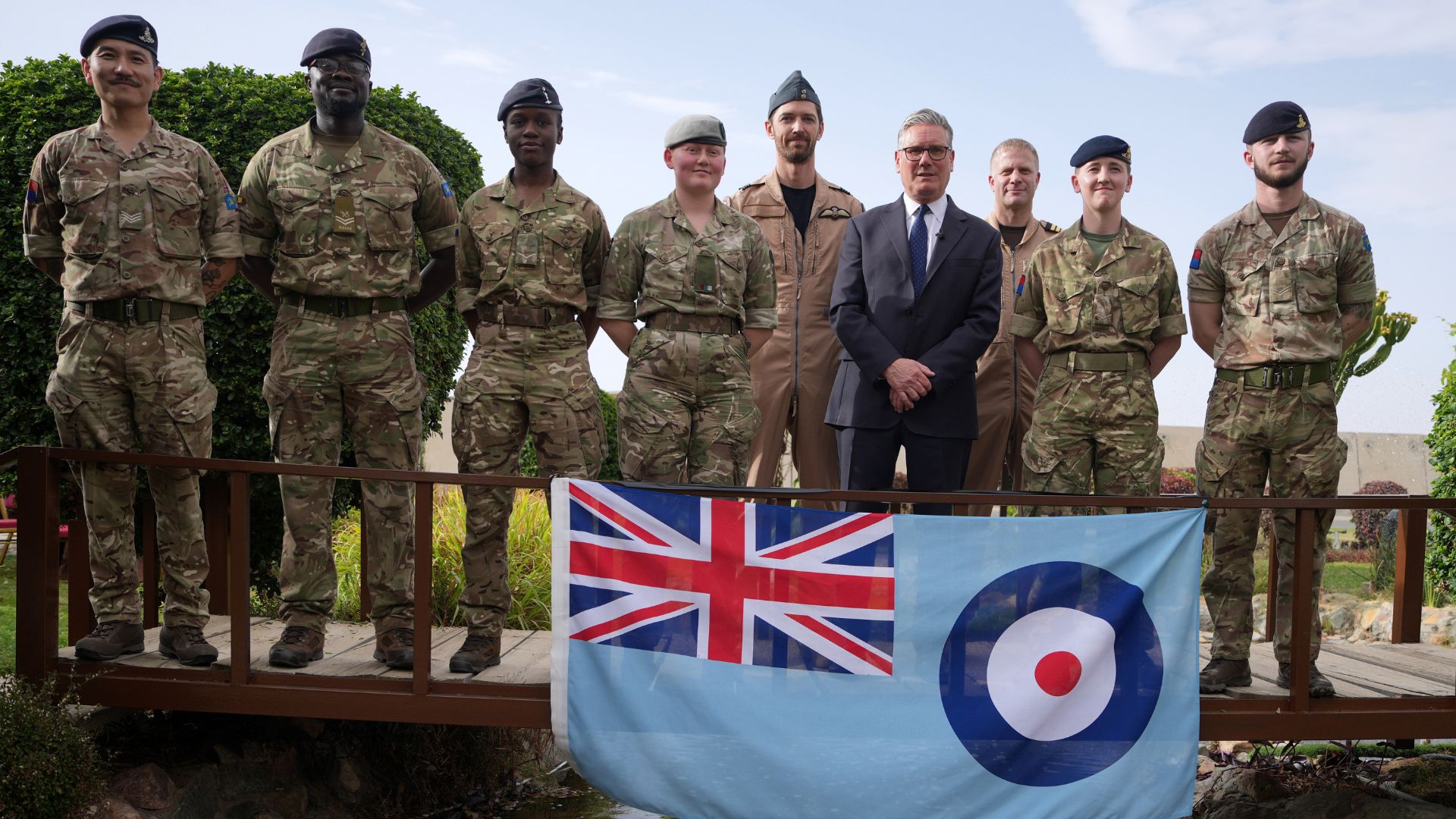
Starmer touched down in the Gulf on Wednesday, meeting UK and Saudi military personnel at the King Fahd Air Base in Taif before travelling to Jeddah for talks with Saudi Crown Prince Mohammed bin Salman. The visit comes as the fragile ceasefire — brokered by Pakistan after 40 days of US-Israeli strikes on Iran — faces immediate strain, with Iran imposing restrictions on shipping through the strait and Israel continuing strikes in Lebanon.
Key Developments
Speaking to British and Saudi military personnel at the Taif airbase, Starmer acknowledged the ceasefire as a positive step but was clear-eyed about the challenges ahead. "There's a lot of work to do," he said, emphasising that the UK's priority was to help restore confidence in shipping through the Strait of Hormuz — a critical passage through which roughly 20% of global oil supplies flow.
The closure of the strait since the conflict began in late February has caused Brent crude prices to surge above $100 per barrel, driving up energy costs for UK households and businesses. Starmer said it was the UK's "job" to help stabilise global energy prices by working with international partners to reopen the route safely.
A Downing Street spokesperson confirmed that discussions with Crown Prince Mohammed bin Salman focused on the practical steps needed to restore confidence in shipping, including dealing with Iranian mines and securing insurance for tankers wishing to transit the strait.
Russian Submarines Revealed
In a separate but significant development on Thursday, Defence Secretary John Healey revealed that the UK and Norway had spent more than a month tracking three Russian submarines operating covertly in the North Atlantic. The operation involved an Akula-class nuclear attack submarine — believed to have been used as a decoy — and two specialised deep-sea research submarines from Russia's GUGI directorate, which are designed to survey and potentially sabotage undersea cables and pipelines.
HMS St Albans and Royal Air Force P8 aircraft flew over 450 hours during the operation, monitoring the vessels around the clock. Healey issued a direct warning to President Putin: "We see you, we see your activity over our cables and pipelines. And you should know that any attempt to damage them will not be tolerated, and will have serious consequences."
The Defence Secretary noted that Russia appeared to have timed the covert operation to coincide with global attention being focused on the Middle East crisis.
Political Reaction
Starmer's handling of the Iran conflict has drawn criticism from opposition parties. Reform UK leader Nigel Farage claimed the Prime Minister would not be treated with respect during his Gulf visit, while Liberal Democrat leader Sir Ed Davey warned that the UK-US special relationship was "beyond repair" under Donald Trump. Starmer defended his approach, saying he had acted in the British national interest throughout, guided by principles of lawful action and viable long-term planning.
Why It Matters
The reopening of the Strait of Hormuz is of direct economic importance to the United Kingdom. Economists have raised their UK inflation forecasts to 2.6% for the fourth quarter of 2026, driven largely by the energy price shock caused by the conflict. The Bank of England held interest rates at 3.75% in March, but further disruption to oil supplies could force a rethink. Starmer's diplomatic push in the Gulf is as much about protecting British household finances as it is about international security.
What's Next
Negotiations between the US and Iran are expected to begin in Islamabad on 10 April, mediated by Pakistan. Iran has presented a 10-point proposal which President Trump described as a "workable basis" for discussion. The UK government has pledged to contribute to ensuring freedom of navigation in the strait alongside European allies.
For more, see the BBC's full coverage of Starmer's Saudi Arabia visit and the Defence Secretary's statement on Russian submarine activity.