Starmer Vows to Use 'Every Lever' as Iran War Drives UK Cost of Living Crisis
Prime Minister Keir Starmer has pledged to deploy every tool at the government's disposal to shield British families from soaring energy costs driven by the ongoing US-Israel war against Iran, as oil prices surge past $100 a barrel and the Strait of Hormuz remains effectively closed.
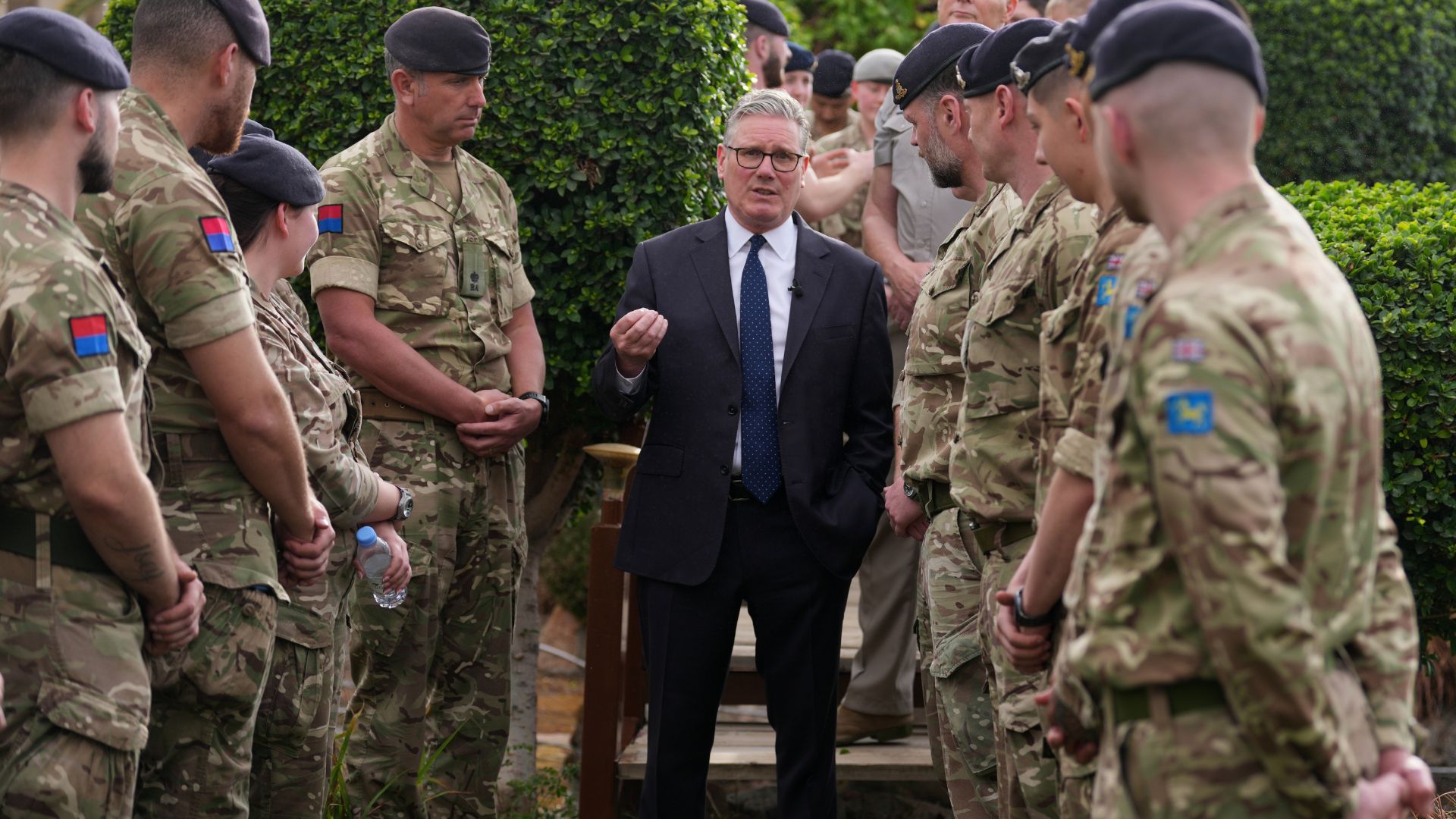
Starmer chaired emergency Cobra committee meetings this week with Chancellor Rachel Reeves, Energy Secretary Ed Miliband, Foreign Secretary Yvette Cooper, and Bank of England Governor Andrew Bailey to assess the economic fallout from the conflict, which entered its 32nd day on 1 April 2026.
Background
The war, which began on 28 February 2026, has sent shockwaves through global energy markets. Iran's effective blockade of the Strait of Hormuz — through which roughly a fifth of the world's oil passes — has pushed US crude above $100 per barrel for the first time since July 2022. UK households are bracing for a significant rise in the energy price cap when it is reviewed in summer 2026.
Key Developments
Starmer announced £53 million in targeted government support for households reliant on heating oil, with a warning that suppliers engaged in price gouging would face legal action and future market regulation. The Prime Minister also told the liaison committee that the government was actively considering granting additional powers to the Competition and Markets Authority to tackle profiteering by fuel retailers.
Chancellor Reeves indicated that any broader support package for household energy bills would be means-tested and targeted at lower-income families, and would not be activated until autumn 2026 when gas usage typically rises. She has been cautious about immediate fuel duty or VAT cuts, citing inflationary risks.
Separately, the government confirmed that several policy changes came into effect on 1 April, including a 4.8% rise in the state pension, a 4.1% increase in the National Living Wage to £12.71 per hour, and the first phase of Labour's expansion of free school meals to families on Universal Credit.
Why It Matters
The Iran war has placed Starmer's government under intense pressure at a politically sensitive moment, with local elections scheduled for May and Reform UK consistently leading opinion polls. The Prime Minister has framed the conflict as a test of Britain's values, criticising opposition parties for what he called their "utterly reckless" early support for US-Israeli strikes without considering the economic consequences for British families.
The International Monetary Fund has warned that the war is causing higher prices and slower global growth, particularly affecting energy importers in Europe. UK government borrowing costs have also risen as a result of the conflict.
What's Next
Starmer has reiterated his commitment to investing in renewable energy to give the UK greater control over its energy supply. The government has not ruled out broader energy bill support if costs remain elevated when the price cap is reviewed. US President Donald Trump is scheduled to address the nation on Wednesday night with an "important update on Iran," which could affect oil markets and the UK's economic outlook. Read the latest updates from The Guardian.