Starmer Vows to 'Never Walk Away' as Labour Faces Make-or-Break May Elections
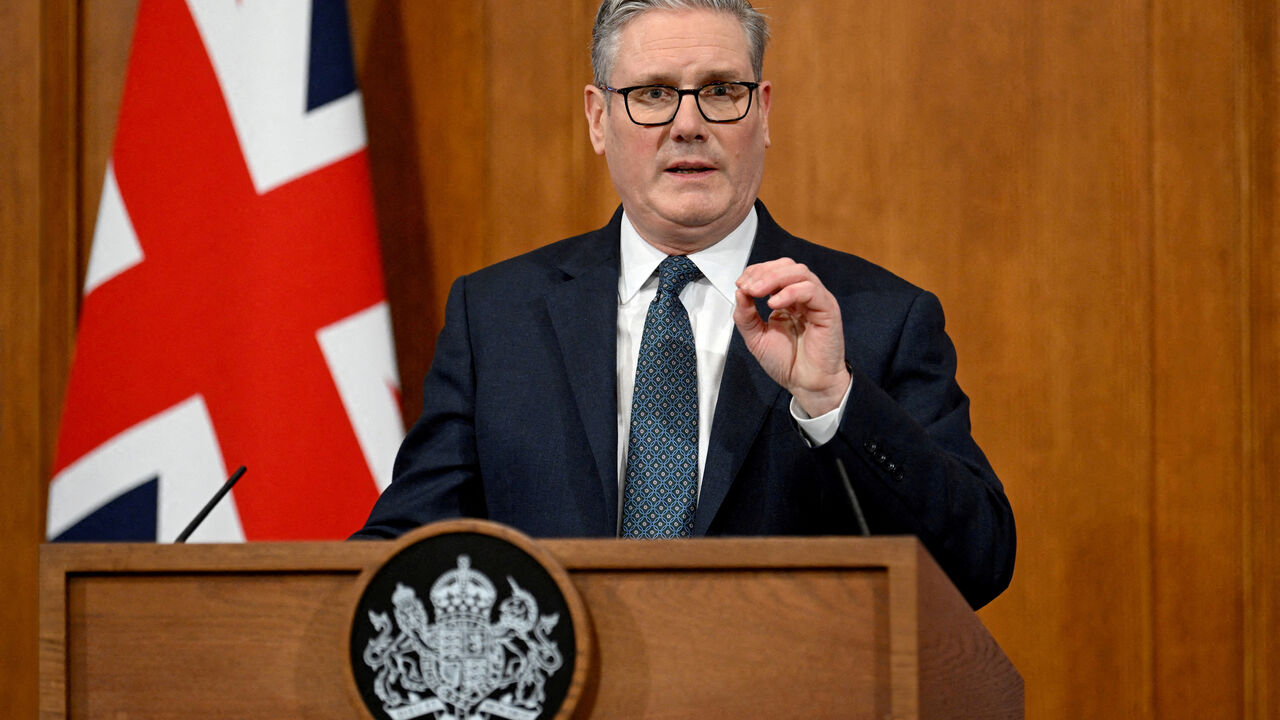
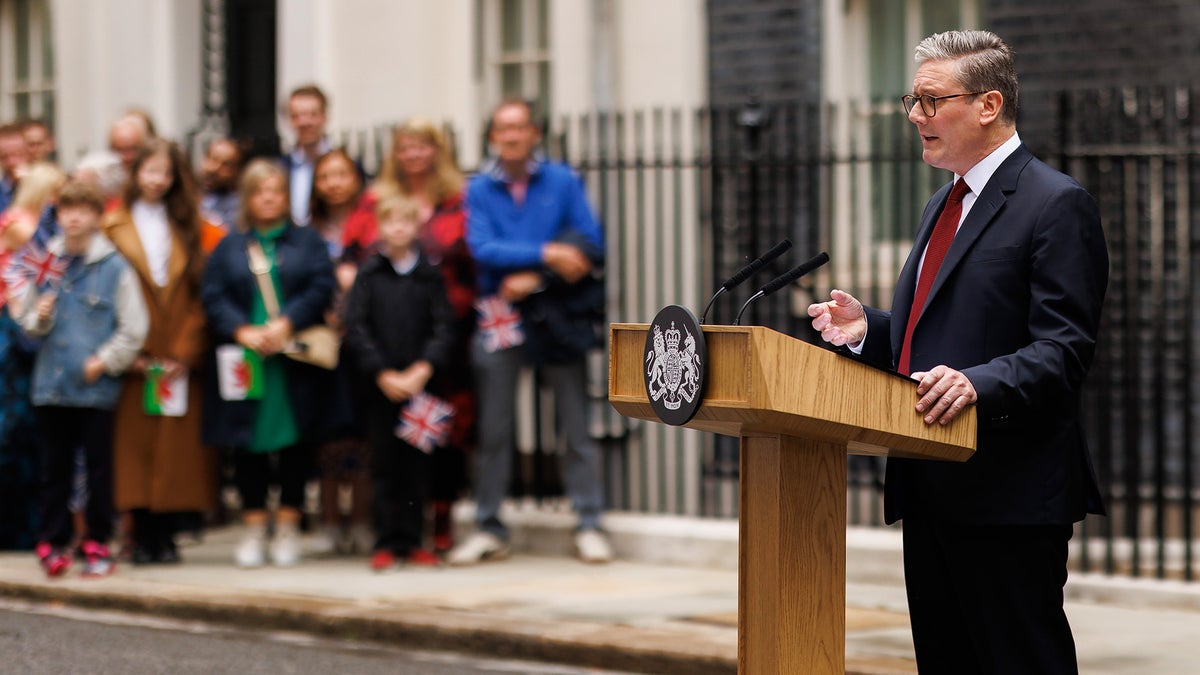
Prime Minister Keir Starmer has reaffirmed his determination to remain in office and deliver on Labour's mandate, as his party braces for a crucial test in May's local and devolved elections amid persistently low poll ratings and a surging Reform UK.
Starmer's Defiant Message
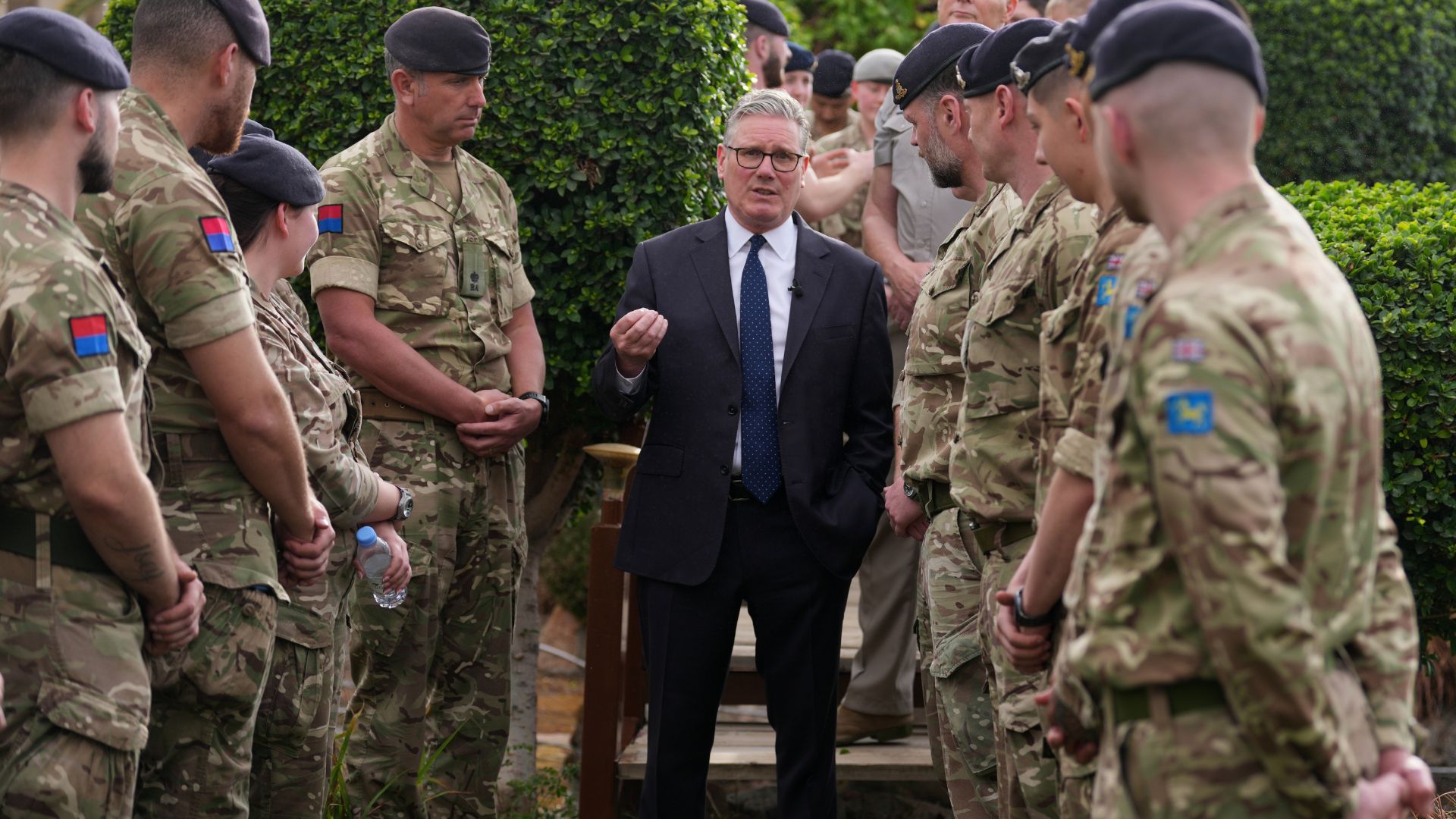
Speaking on Easter Sunday, Starmer insisted he would "never walk away" from his task of changing the country, pushing back against mounting speculation about his leadership. The Prime Minister pointed to a series of policy changes taking effect this month — including the expansion of free school meals, a 4.8% rise in the state pension, and today's landmark Employment Rights Act — as evidence that his government is delivering tangible change for working people.
Starmer drew a sharp contrast with Nigel Farage's Reform UK, accusing the party of promoting "grievance, decline and division" and wanting a "weaker state" that would appease Russia and inject "bile into our communities." He framed the upcoming May elections as a choice between Labour's programme of renewal and what he characterised as Reform's politics of resentment.
The Political Landscape
The May 2026 elections — covering the Welsh Senedd, Scottish Parliament, and numerous English local councils — are widely seen as a crunch point for Starmer's leadership. Reform UK has led opinion polls consistently since April 2025, and the party is hoping to make significant gains. Labour's net approval rating has fallen sharply since the 2024 general election landslide, with Starmer recording some of the lowest personal ratings of any prime minister in decades.
Greater Manchester Mayor Andy Burnham, who publicly backed Starmer while urging him to be more "bold" and "inclusive," is among those discussed as a potential future leader. Health Secretary Wes Streeting is also frequently mentioned in Westminster circles.
Reform UK Under Pressure
Reform UK itself faces scrutiny after Nigel Farage sacked housing spokesperson Simon Dudley on 2 April following deeply offensive comments about the Grenfell Tower fire. Dudley had suggested that "everyone dies in the end" when discussing the 2017 tragedy, prompting widespread condemnation from Grenfell families, survivors' groups, and politicians across the spectrum. Farage described the remarks as "deeply inappropriate" and confirmed Dudley was "no longer a spokesman for the party."
Why It Matters
The May elections will provide the first major electoral test of where British politics stands in 2026. A strong Reform performance could intensify pressure on Starmer, while a Labour recovery could stabilise his position. For voters in Belfast, Dublin, and across the UK, the outcome will shape the political direction of the country for years to come.
What's Next
Polling day for the English local elections, Welsh Senedd, and Scottish Parliament is expected in early May. The results will be scrutinised closely for signs of whether Labour can arrest its decline or whether Reform UK's momentum is translating into actual votes.
Full coverage of UK political developments is available at BBC News.