Starmer Pursues Gulf Diplomacy Following US-Iran Ceasefire
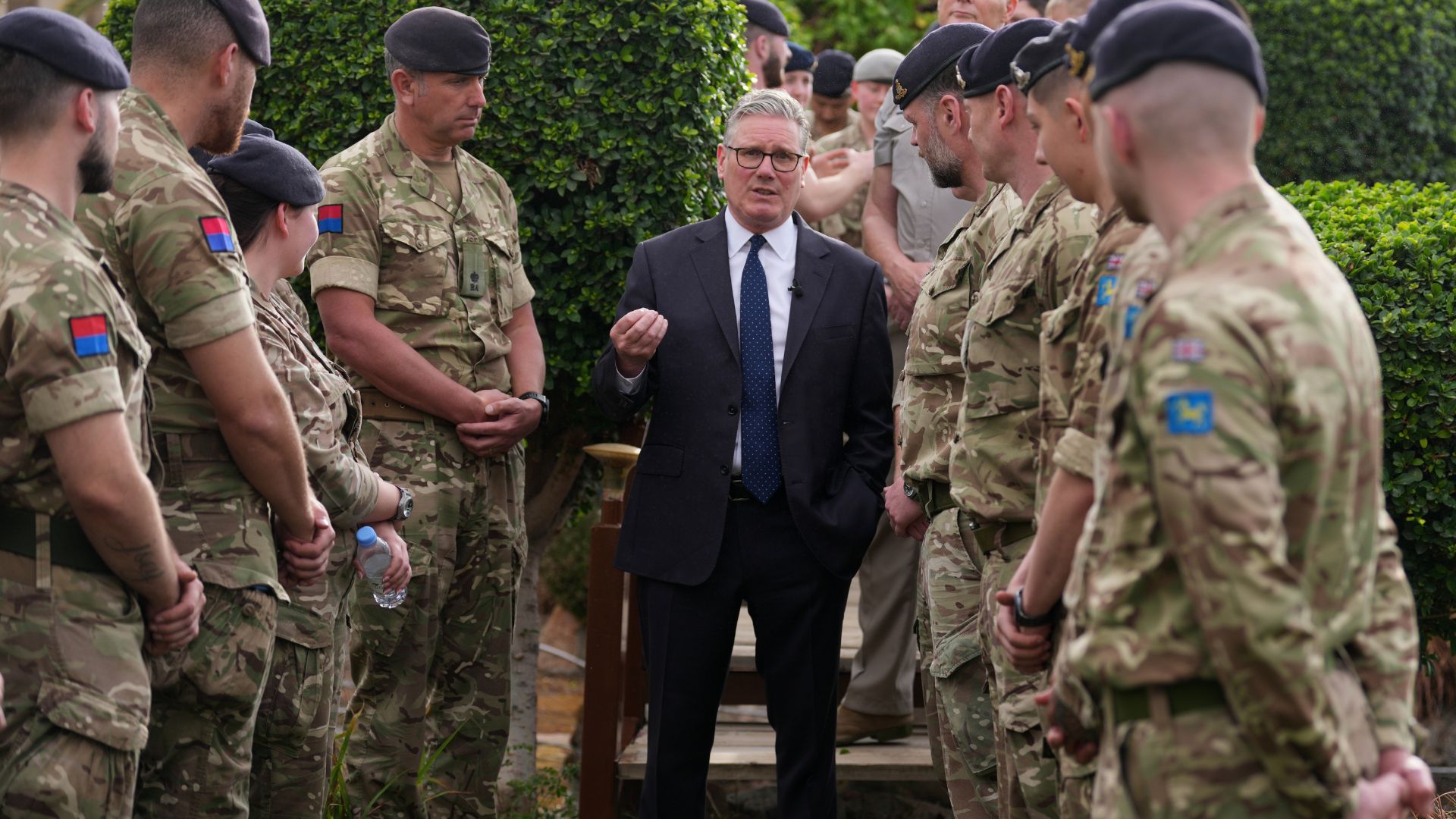
Sir Keir Starmer, the UK Prime Minister, is conducting a three-day tour of the Gulf region, engaging in shuttle diplomacy aimed at de-escalating tensions and securing vital energy routes following the announcement of a conditional US-Iran ceasefire. The Labour leader welcomed the fragile truce, stating his focus is now on ensuring regional stability and reopening the critical Strait of Hormuz. The closure of this major oil transit waterway has caused significant volatility in global energy markets, directly impacting households and businesses in the United Kingdom. During his visit, Starmer has held discussions with several regional leaders, emphasising the international importance of freedom of navigation. He also took the opportunity to meet with and thank British military personnel stationed in the area for their ongoing commitment to security. The visit underscores the government's proactive stance in a volatile, but crucial, part of the world. According to reports from Yahoo News UK, the Prime Minister is determined to see a swift resolution to the blockade.
Securing Global Energy Supply
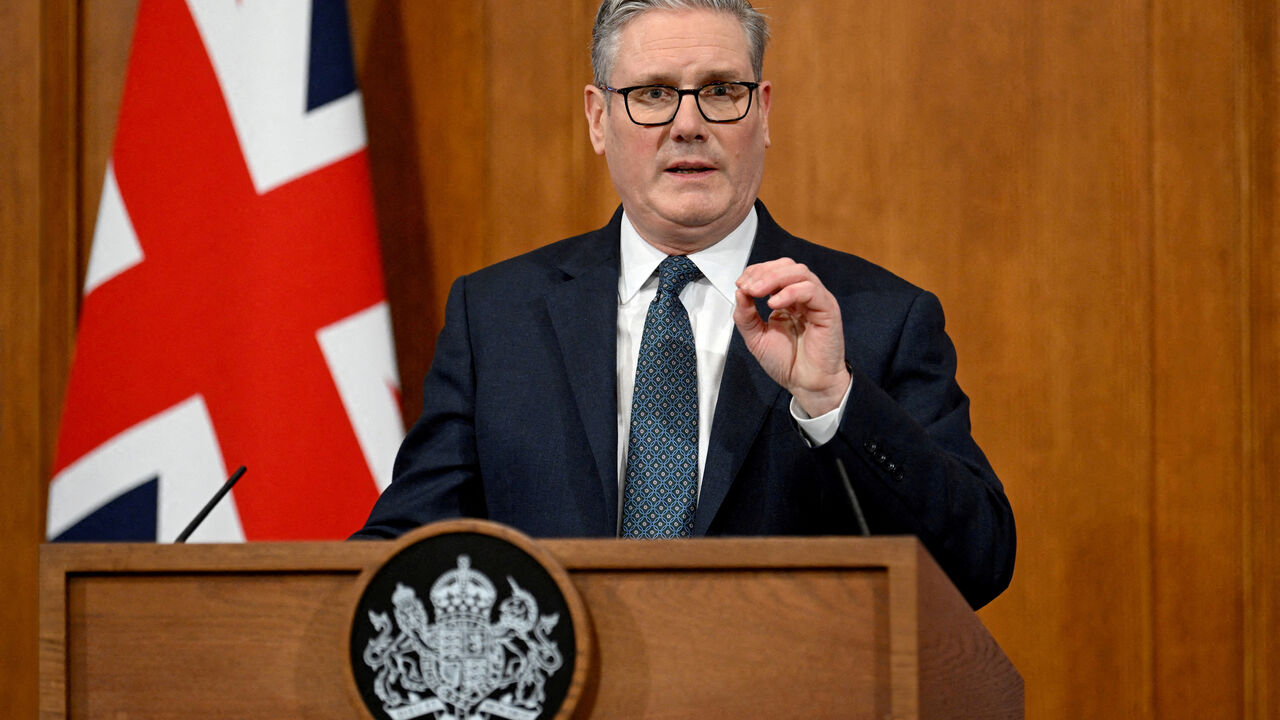
The core mission of the Prime Minister's trip is economic and geopolitical. The free flow of oil and gas through the Strait of Hormuz is essential for global energy security. In a clear statement of intent, Starmer remarked, "It's our job to make sure that the Strait is open, that we're able to get the energy that the world needs out and stabilise the prices back in the United Kingdom." This direct appeal highlights the domestic implications of the international crisis, linking the diplomatic efforts directly to the cost-of-living pressures faced by British citizens. The success of these talks could have a significant and immediate impact on fuel prices and inflation. The mission is a high-stakes test of British diplomatic influence in a post-Brexit world, with the government keen to demonstrate its continued relevance on the global stage. The outcome of the meetings will be closely watched by international partners and energy markets alike, as noted by US News.
Coordinated Diplomatic Efforts
While Starmer leads the charge in the Gulf, the diplomatic offensive is being coordinated across the Atlantic. UK Foreign Secretary Yvette Cooper has been in parallel talks with her American counterpart, US Secretary of State Marco Rubio, to ensure a unified approach. This alignment is crucial for presenting a united front and maximising pressure for a lasting peace. However, the diplomatic landscape is complex. On April 8th, the mayors of Hiroshima and Nagasaki penned a letter to Prime Minister Starmer, urging him to use his influence to advocate for nuclear disarmament amidst the heightened international tensions. This serves as a poignant reminder of the catastrophic potential of state-level conflicts and the broader responsibilities of world leaders beyond immediate crisis management. The government has yet to issue a formal response to the letter, but it adds another layer of complexity to an already delicate diplomatic mission.