Starmer Launches 'Pride in Britain' Campaign as April Cost of Living Measures Take Effect
Prime Minister Keir Starmer has launched Labour's local election campaign under the slogan "Pride in Britain," coinciding with a package of cost of living measures that came into force on 1 April 2026 — including a cut to energy bills, a rise in the National Living Wage, and the activation of a £1 billion Crisis and Resilience Fund.
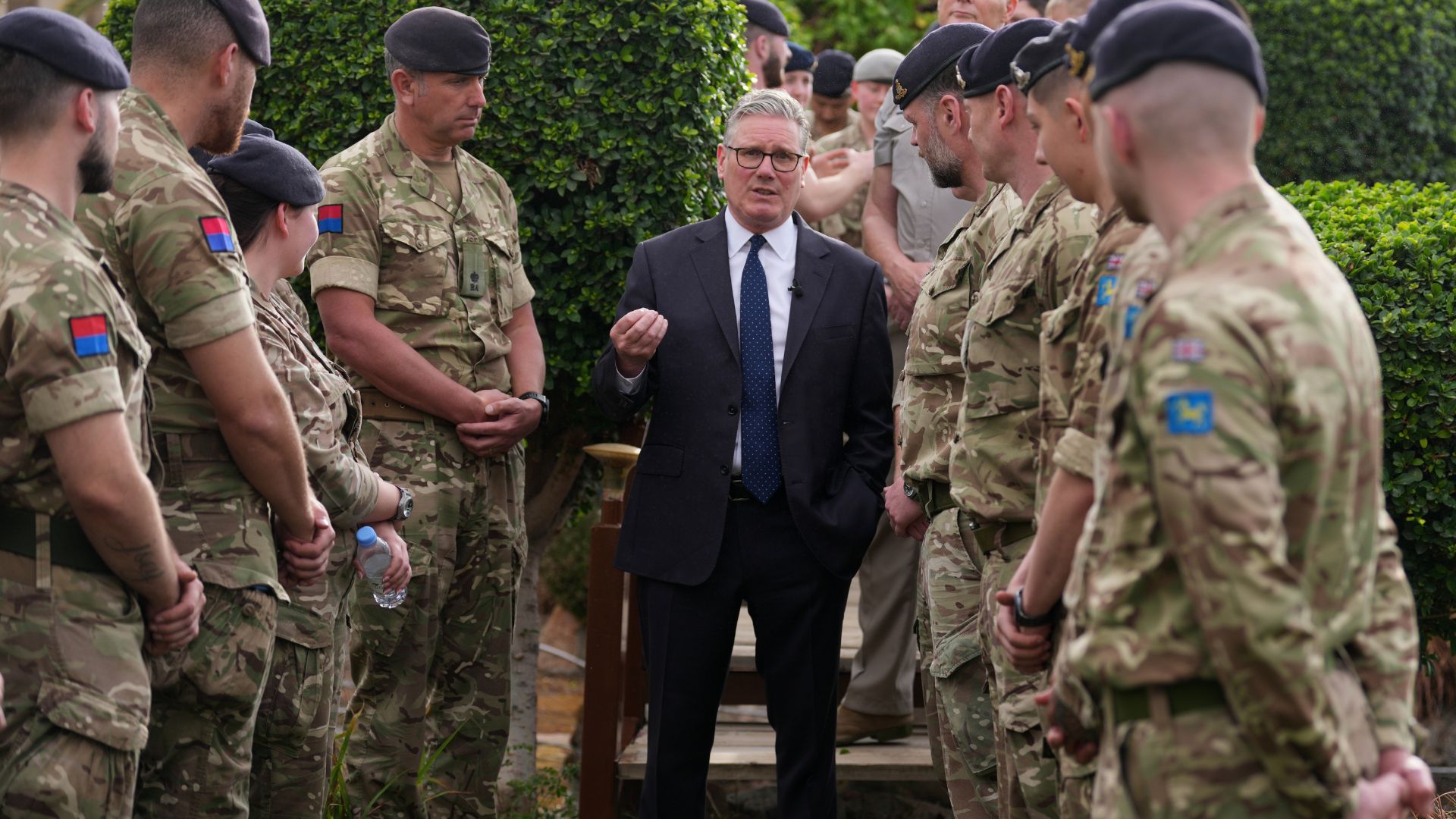
The campaign launch, held in the West Midlands, was designed to highlight what the government describes as tangible improvements to household finances, even as Labour faces a deeply challenging political environment ahead of May's local and devolved elections.
What Changed on 1 April
From Wednesday, millions of households across the UK saw their energy bills fall by an average of £117 annually, as Ofgem's new price cap of £1,641 came into effect — a 7% reduction on the previous quarter. The National Living Wage rose to £12.71 per hour, delivering a £900 annual boost for around 2.4 million workers, while the National Minimum Wage increased to £10.85, benefiting over 200,000 younger workers. Prescription charges were also frozen, preventing patients from paying more than £10 per item.
The £1 billion Crisis and Resilience Fund, designed to assist vulnerable households with heating oil and other essential costs, also began operating on the same date. The government said the measures represented the most significant package of household support since Labour took office.
Starmer's Message to Voters
Speaking at the campaign launch, Mr Starmer acknowledged the scale of the challenge facing working families but insisted that the government's choices were beginning to make a difference. He argued that de-escalation of the ongoing US-Israel conflict in the Middle East — and the reopening of the Strait of Hormuz — was essential to bringing energy prices down further, and criticised both the Conservatives and Reform UK for what he called their "reckless" early support for military strikes against Iran.
The Prime Minister warned that a vote for Reform UK would jeopardise progress on the cost of living, arguing the party was "not on the side of working people."
Political Context
The campaign launch comes at a difficult moment for Labour. Recent YouGov polling placed the party's average vote share at just 17.4%, behind both Reform UK on 29% and the Conservatives on 19%. The government's net approval rating has fallen to -59, the lowest since Mr Starmer took office.
Labour MPs have privately expressed concern that the cost of living reset may be insufficient to counter the populist appeal of Nigel Farage's Reform UK, which is projected to make substantial gains in Labour's traditional heartlands across the North-East, West Yorkshire, and Greater Manchester in May's elections.
Why It Matters
The April measures represent a genuine, if modest, improvement in household finances for millions of people across the UK. However, the backdrop of rising mortgage rates — driven by the Iran conflict's impact on global energy markets — threatens to offset some of those gains. Financial markets are now pricing in the possibility of Bank of England rate rises rather than cuts, with average two-year fixed mortgage rates having climbed sharply to 5.77% by late March.
What's Next
Local and devolved elections are scheduled for May 2026, with Labour bracing for significant losses in Wales, Scotland, and English councils. The government has directed cabinet ministers to identify further departmental savings that can be passed on to households before polling day. The energy price cap will be reviewed again for the July-September quarter, with forecasters warning of a potential rise to around £1,927 if Middle East tensions persist.
Full details of the April 2026 cost of living measures are available on the UK Government website.