Starmer Issues 48-Hour Ultimatum to Resident Doctors as NHS Strike Looms
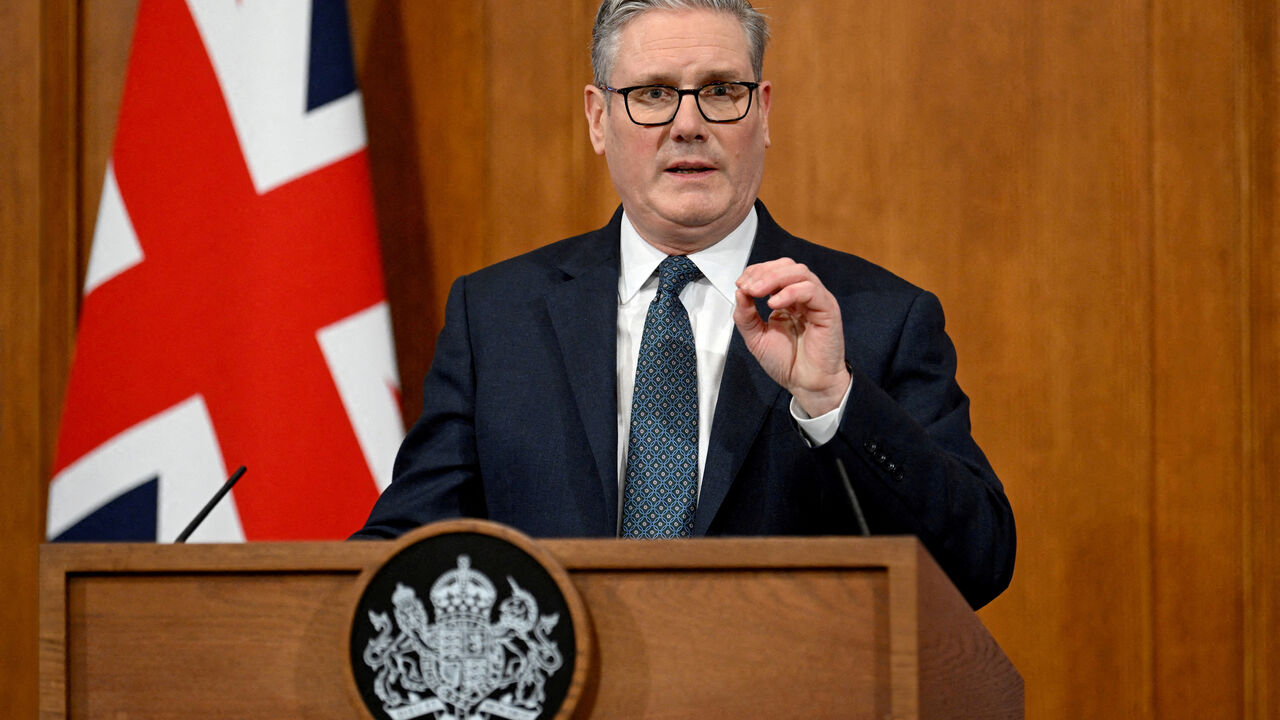
Prime Minister Sir Keir Starmer has issued a 48-hour ultimatum to resident doctors, demanding they call off planned strike action or risk losing a new jobs and pay package, as the NHS braces for what could be its longest-ever walkout by junior medical staff.
The escalating dispute has placed the Labour government under intense pressure, with resident doctors accusing Starmer of actively "sabotaging" negotiations over pay and working conditions. The standoff comes as the Prime Minister's poll ratings continue to slide, with analysts pointing to a growing public perception that Labour has failed to deliver the change it promised upon entering office.
Background
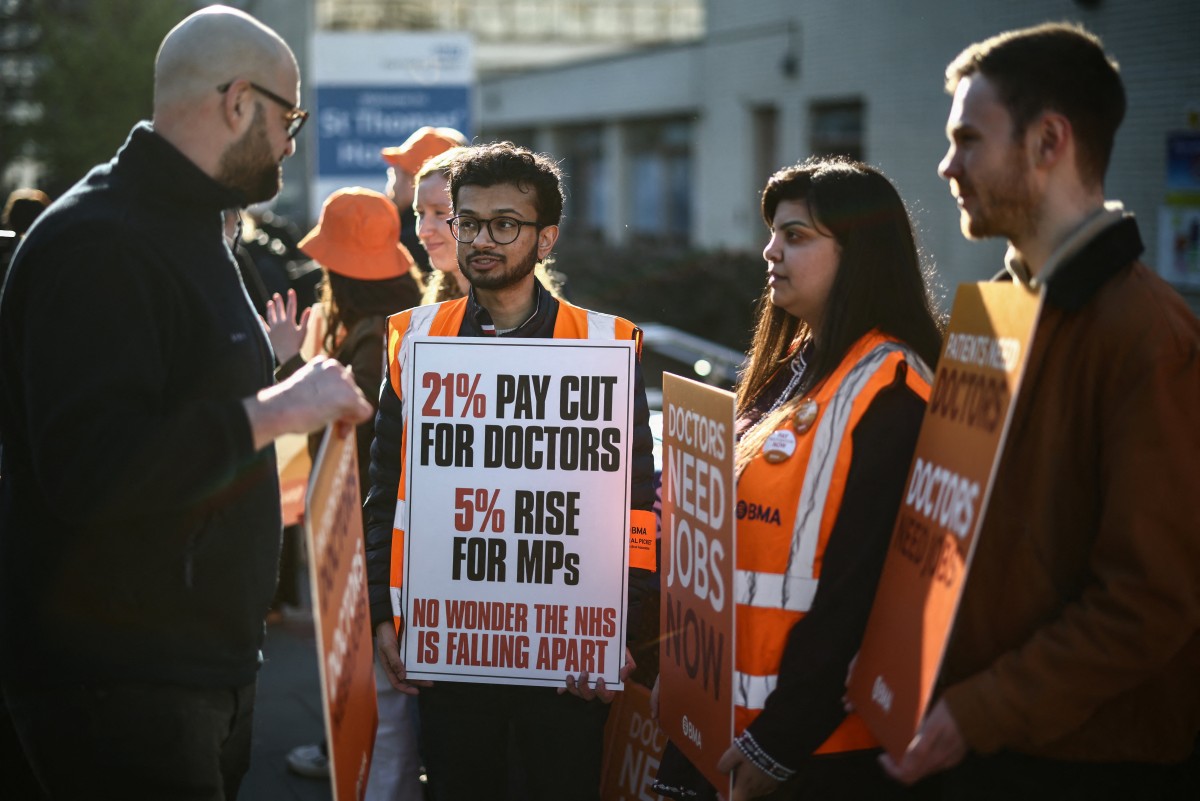
Resident doctors — formerly known as junior doctors — have been engaged in a long-running dispute with the government over pay restoration following years of below-inflation pay rises. The dispute, which began under the previous Conservative administration, has continued under Labour, with talks repeatedly breaking down. The British Medical Association (BMA) has argued that doctors' real-terms pay has fallen significantly over the past decade.
Key Developments
Starmer's ultimatum, issued on 31 March 2026, gave the doctors' union 48 hours to reconsider a pay and workforce deal or face the withdrawal of the offer. The move was described by the BMA as an attempt to bully doctors into accepting terms they consider inadequate. The NHS is now preparing contingency plans for a prolonged period of industrial action, which could see thousands of appointments and procedures cancelled across England.
The dispute is unfolding against a backdrop of declining public support for the government. Analysis suggests that Labour's pre-election commitment to avoid raising income tax, national insurance, or VAT has constrained its fiscal options, while a perceived drift to the right on issues such as immigration has cost the party support among left-leaning voters.
Why It Matters
A prolonged doctors' strike would place enormous strain on an NHS already struggling with record waiting lists. For patients awaiting elective procedures, the prospect of further delays is deeply concerning. The dispute also has broader political implications, testing Labour's relationship with public sector workers who were among the party's core supporters at the 2024 general election.
What's Next
Both sides are expected to return to the negotiating table, though the atmosphere remains deeply adversarial. If no agreement is reached, strike action could begin within days, with the BMA warning of an extended campaign. The government faces the difficult task of resolving the dispute without setting a precedent that could trigger similar demands from other NHS staff groups.
Read more at BBC News.