Starmer Flies to Gulf as US-Iran Ceasefire Brings Relief — But Strait of Hormuz Remains Closed
Prime Minister Sir Keir Starmer has arrived in Saudi Arabia for urgent diplomatic talks with Gulf leaders, hours after the United States and Iran agreed a two-week ceasefire — but the critical Strait of Hormuz shipping lane remains blocked, keeping pressure on UK energy prices.
The ceasefire, brokered by Pakistan with a last-minute intervention from China, was announced on Tuesday evening just over an hour before a deadline set by US President Donald Trump for Iran to end hostilities and reopen the Strait of Hormuz. The waterway, through which roughly a fifth of the world's energy shipments pass, has been closed since Iran imposed a blockade following US and Israeli strikes on Iranian nuclear facilities in February.
Background
The conflict began in February 2026 when coordinated US and Israeli strikes targeted Iran's nuclear programme. Iran retaliated with strikes on neighbouring countries and closed the Strait of Hormuz, triggering a sharp surge in global oil, petrol, and diesel prices that has hit British households and businesses hard. The UK, along with European allies, has been pushing for a diplomatic resolution while supporting collective self-defence operations in the region.
Key Developments
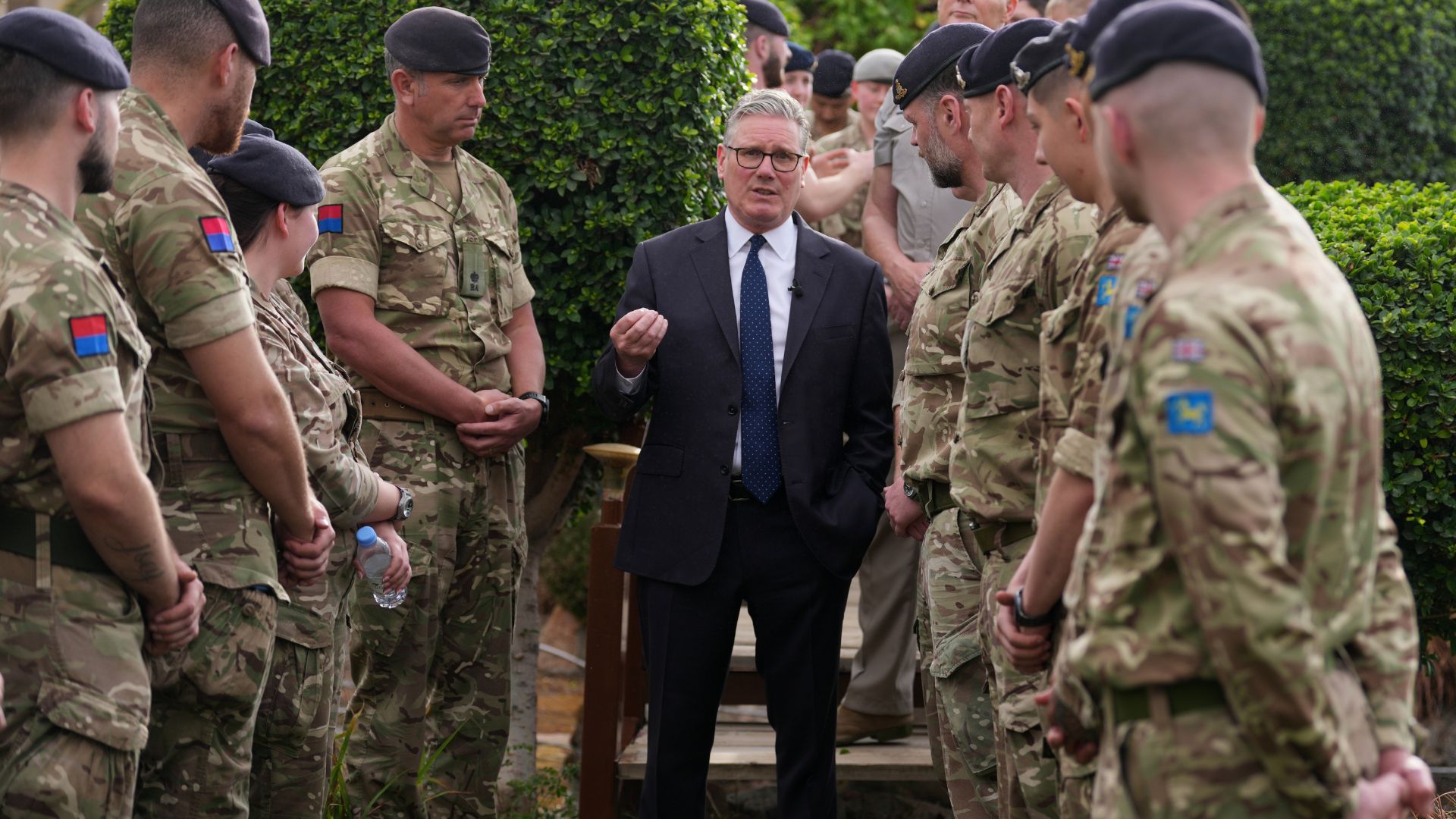
Starmer, whose Gulf visit had been planned before the ceasefire announcement, said he felt "relief" at the agreement but stressed it was "early days" and that "a lot of work" remained to make it permanent and to reopen the Strait. He thanked British and allied military personnel stationed in the region for their role in collective self-defence.
Despite the ceasefire announcement, Iranian media reported that oil tankers had stopped passing through the Strait of Hormuz, with Iran's Islamic Revolutionary Guard Corps still requiring permission for passage. Ship-broker SSY confirmed that vessels in the Gulf received warnings that the Strait remained closed.
The UK joined France, Italy, Germany, Canada, Denmark, the Netherlands, Spain, and the presidents of the European Commission and European Council in a joint statement welcoming the ceasefire and pledging to contribute to ensuring freedom of navigation in the Strait.
Political Reactions
Opposition parties offered a mixed response. Conservative shadow housing secretary Sir James Cleverly welcomed the ceasefire as an "opportunity for Iran to make some serious choices" but criticised Starmer's earlier handling of the conflict. Liberal Democrat leader Sir Ed Davey welcomed the truce but questioned the reliability of Donald Trump as an ally, calling on Starmer to limit US access to British airbases. Reform UK leader Nigel Farage expressed doubt that Starmer would be treated with "a great degree of respect" during his Gulf visit.
Why It Matters
The Strait of Hormuz closure has driven up fuel costs across the UK, contributing to cost-of-living pressures and supply chain disruption. A full reopening would be crucial to restoring oil and gas supplies and stabilising prices for British consumers. However, analysts warn that shipping lines will remain cautious about resuming normal operations until the ceasefire's durability is confirmed.
What's Next
Peace talks between the US and Iran are scheduled to begin in Islamabad on 10 April. Starmer is expected to hold further meetings with Gulf leaders over the coming days to press for a permanent settlement and the full reopening of the Strait. The situation in Lebanon remains a complicating factor, with Israel stating the ceasefire does not cover its conflict with Hezbollah.
For the latest updates, follow BBC News.