Starmer Faces Mounting Pressure as Mandelson Vetting Row Deepens
Prime Minister Keir Starmer is facing the most serious crisis of his premiership as the controversy surrounding the security vetting of Lord Peter Mandelson continues to engulf Westminster, with calls for his resignation coming from within his own party and across the political spectrum.
The scandal centres on revelations that Mandelson was appointed as the UK's ambassador to the United States in December 2024 despite the UK Security Vetting (UKSV) service explicitly recommending against approving his vetting. Starmer has insisted he and other ministers were "staggered" and "furious" that they were not informed of the failed vetting at the time of the appointment.
Background
The controversy escalated dramatically when Sir Olly Robbins, who was just two weeks into his role as head of the Foreign Office when Mandelson's vetting was processed, was effectively dismissed by Starmer over the incident. Conservative leader Kemi Badenoch accused Starmer of giving a misleading account of Robbins's select committee evidence, pointing to written evidence that spoke of an "atmosphere of pressure" from Number 10 and "constant pressure" on his office regarding the vetting — directly contradicting Starmer's claim that "no pressure existed whatsoever."
Key Developments
Labour MP Jonathan Brash, who represents Hartlepool — Mandelson's former constituency — became the first Labour backbencher to publicly call for Starmer's resignation, describing the affair as a "psychodrama" of "own goals" distracting from the government's work. Brash stated that Starmer's departure was "not a case of if, it's when," reflecting what is reported to be growing private restlessness among backbench MPs.
Morgan McSweeney, Starmer's former chief of staff, has been summoned to appear before the Foreign Affairs Select Committee as the row continues to intensify. The Conservatives have also opposed plans to end the parliamentary session early, fearing it would allow Starmer to avoid Prime Minister's Questions.
Why It Matters
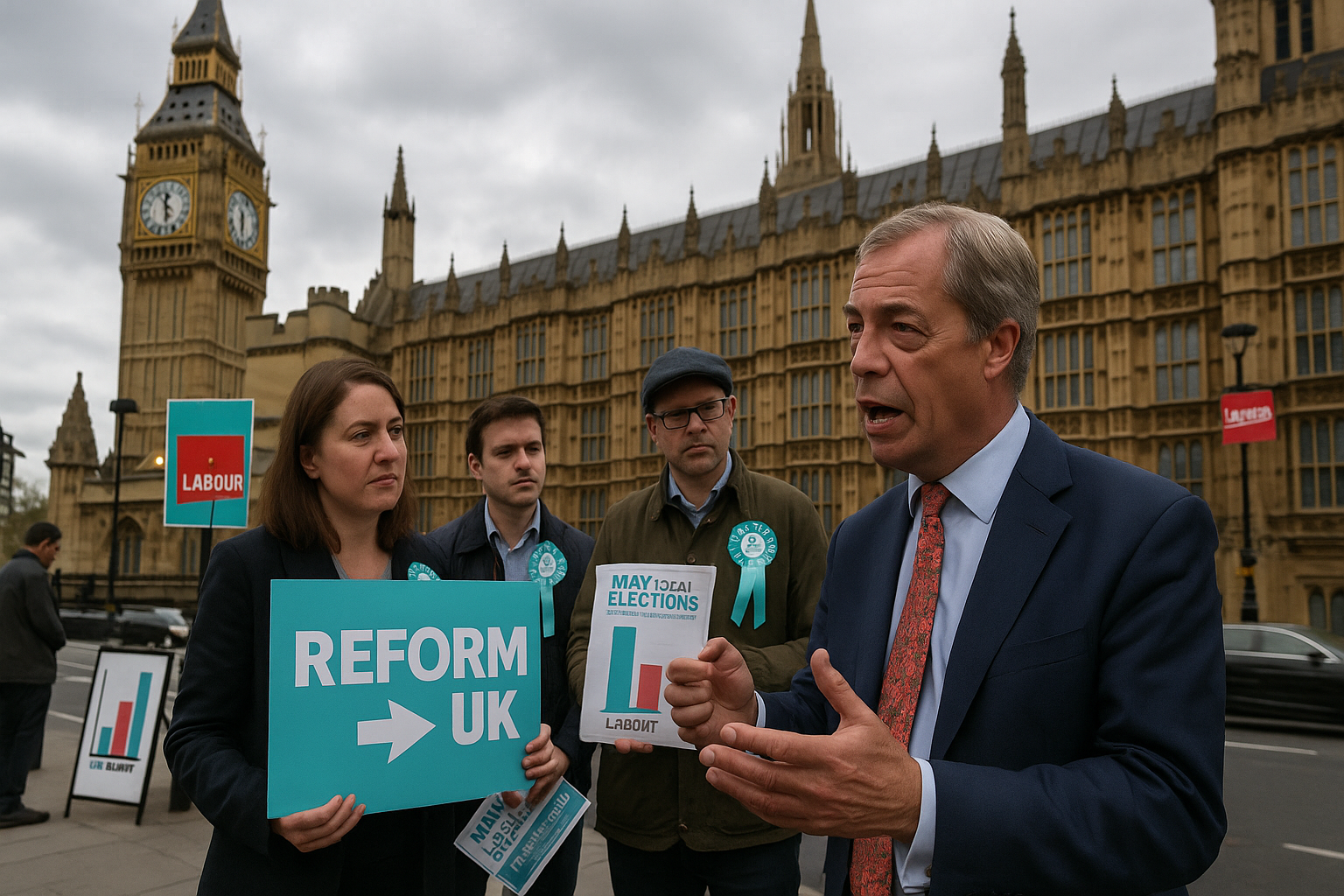
The row comes at a particularly difficult moment for the government, which is already battling poor poll ratings, a cost of living crisis, and the rise of Reform UK. Senior minister Darren Jones has defended Starmer, arguing there was no obligation in the rules at the time for ministers to be informed about security vetting decisions — a rule which has since been changed. However, the damage to Starmer's authority appears significant, with opposition parties including the Conservatives, Liberal Democrats, SNP, Greens, and Reform UK all calling for his resignation.
What's Next
The Foreign Affairs Committee is expected to hear further evidence in the coming days. Starmer has committed to full transparency with Parliament, but the political fallout shows little sign of abating. With May council elections approaching and Reform UK leading in some national polls, the Prime Minister faces a critical test of his leadership in the weeks ahead. As reported by BBC News, the scandal has become a defining moment for the Starmer government.