Keir Starmer's Easter Message of Unity Draws Sharp Rebukes from Left-Wing MPs
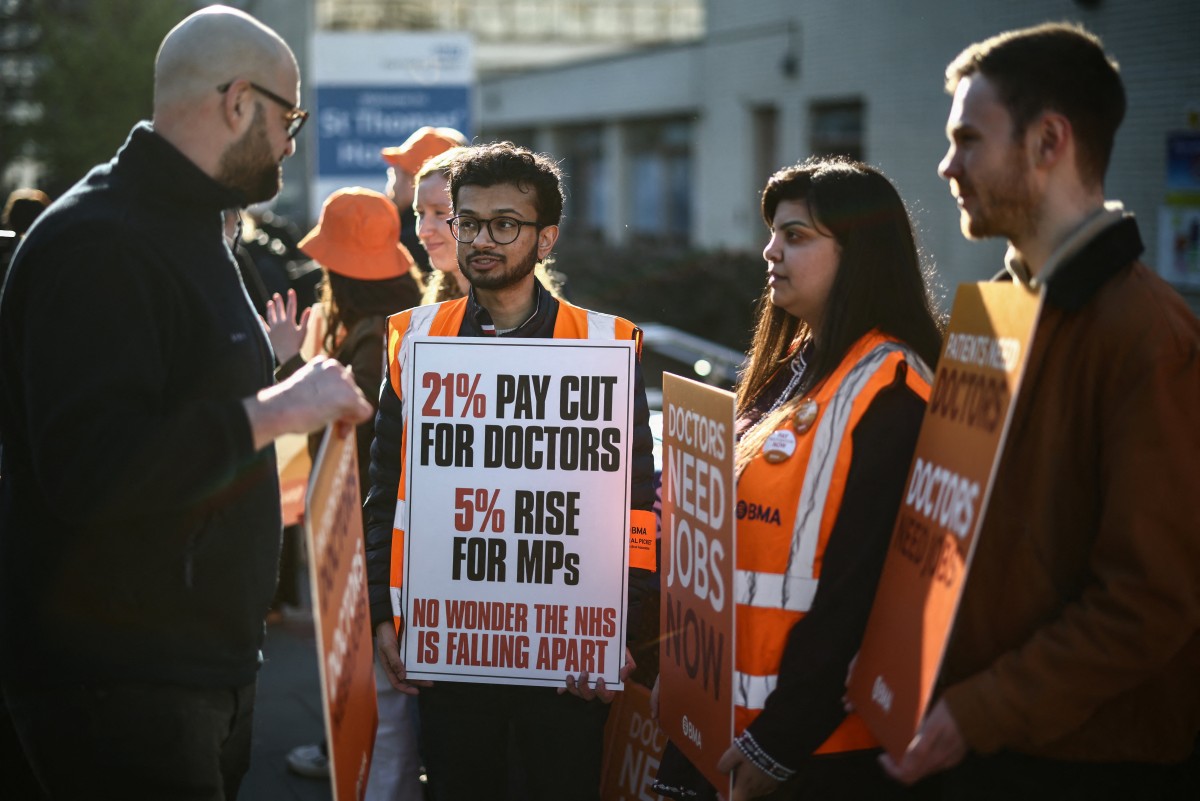
Prime Minister Sir Keir Starmer's Easter message calling for national unity and community cohesion has been met with fierce criticism from left-wing MPs and campaigners, who accused him of hypocrisy over his government's immigration policies, its stance on the conflict in Gaza, and its approach to public spending.
Background
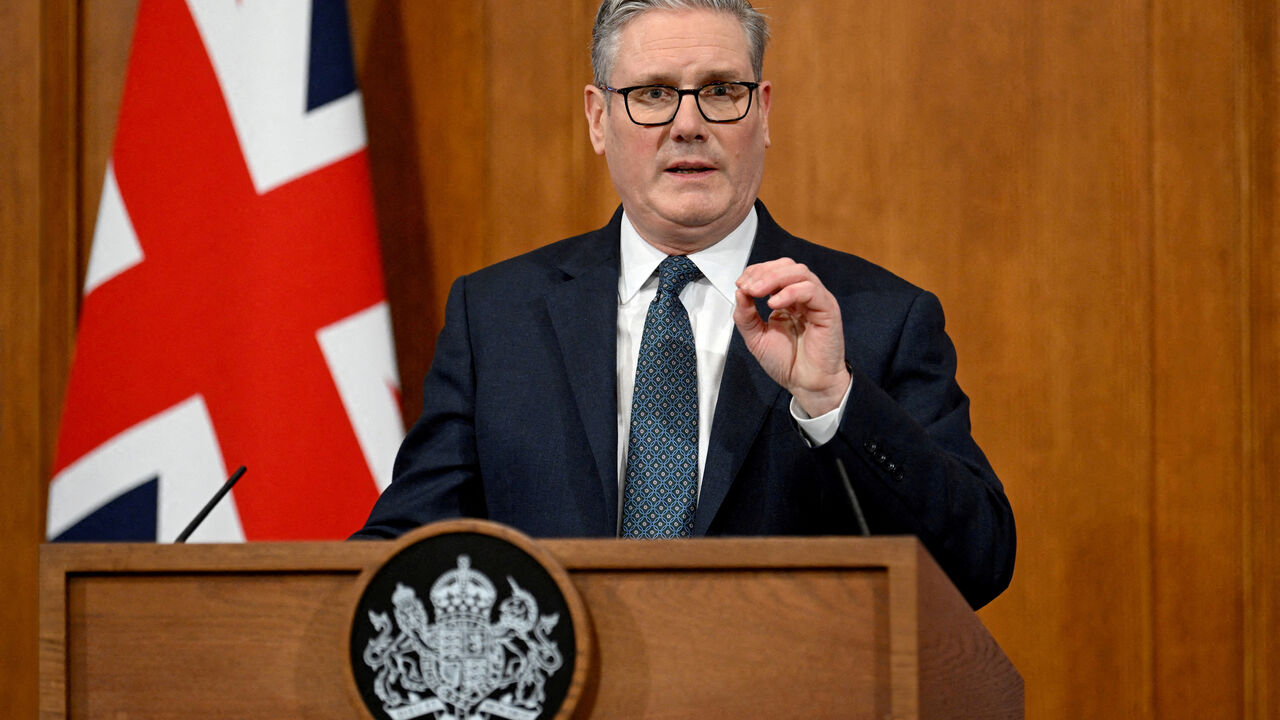
On 3 April 2026, Sir Keir Starmer released his official Easter message, focusing on themes of hope, renewal, and community cohesion. In the message, he acknowledged public anxiety stemming from international conflicts and domestic pressures, praising the role of faith groups and community organisations in providing support. He highlighted the government's commitment to strengthening local communities through initiatives such as the 'Pride in Place' and 'Best Start Family Hubs' programmes.
The Prime Minister stated: "In times when some seek to divide, the government is committed to working across faiths and differences to build a country that is more resilient, inclusive and connected."
Key Developments
The message of unity was met with immediate and sharp rebukes from prominent political figures on 4 April 2026. Former Labour leader Jeremy Corbyn was among the most vocal critics, telling the Morning Star: "If he was serious, he would stop his attacks on migrants, end his government's complicity in genocide, and tackle the root cause of problems in our society: a grotesquely unequal economy that concentrates wealth in the hands of the few."
Corbyn added: "The prime minister speaks of division. He should look in the mirror, and take some responsibility for the racism and fear he has stoked with his words and actions."
MP Diane Abbott echoed these sentiments, describing Sir Keir's policies as divisive. She told the publication: "It is true that many politicians seek to divide us. But a Prime Minister who has supported genocide in Gaza and the illegal war on Iran, imposes austerity on workers, the poor and disabled people and pursues completely reactionary immigration policies is in no position to preach to us on unity."
Julia Bard of the Jewish Socialists' Group called the Prime Minister's claims "laughable" and criticised him for failing to mention the Jewish festival of Passover in his Easter message.
Why It Matters
The backlash highlights the deep divisions within the broader British left over the direction of the Starmer government. While Labour won a landslide majority in 2024, the Prime Minister has faced persistent criticism from the party's left wing over his handling of foreign policy, welfare cuts, and immigration rhetoric. The Easter message controversy suggests these tensions remain unresolved and are likely to intensify as the government approaches the midpoint of its first term.
The criticism also comes at a politically sensitive moment, with Reform UK continuing to poll strongly and the Conservatives showing signs of modest recovery. Starmer's ability to hold together a broad coalition of voters — from traditional Labour supporters to centrist swing voters — will be tested in the coming months.
What's Next
The Prime Minister is expected to face further scrutiny over his government's domestic and foreign policy record when Parliament returns after the Easter recess. The government's handling of the ongoing Middle East conflict, welfare reform, and immigration policy are all likely to feature prominently in the coming weeks.
Read the full Morning Star report on the reaction to Starmer's Easter message.