Stardust Survivors Condemn 'One-Size-Fits-All' Compensation as Judicial Review Looms
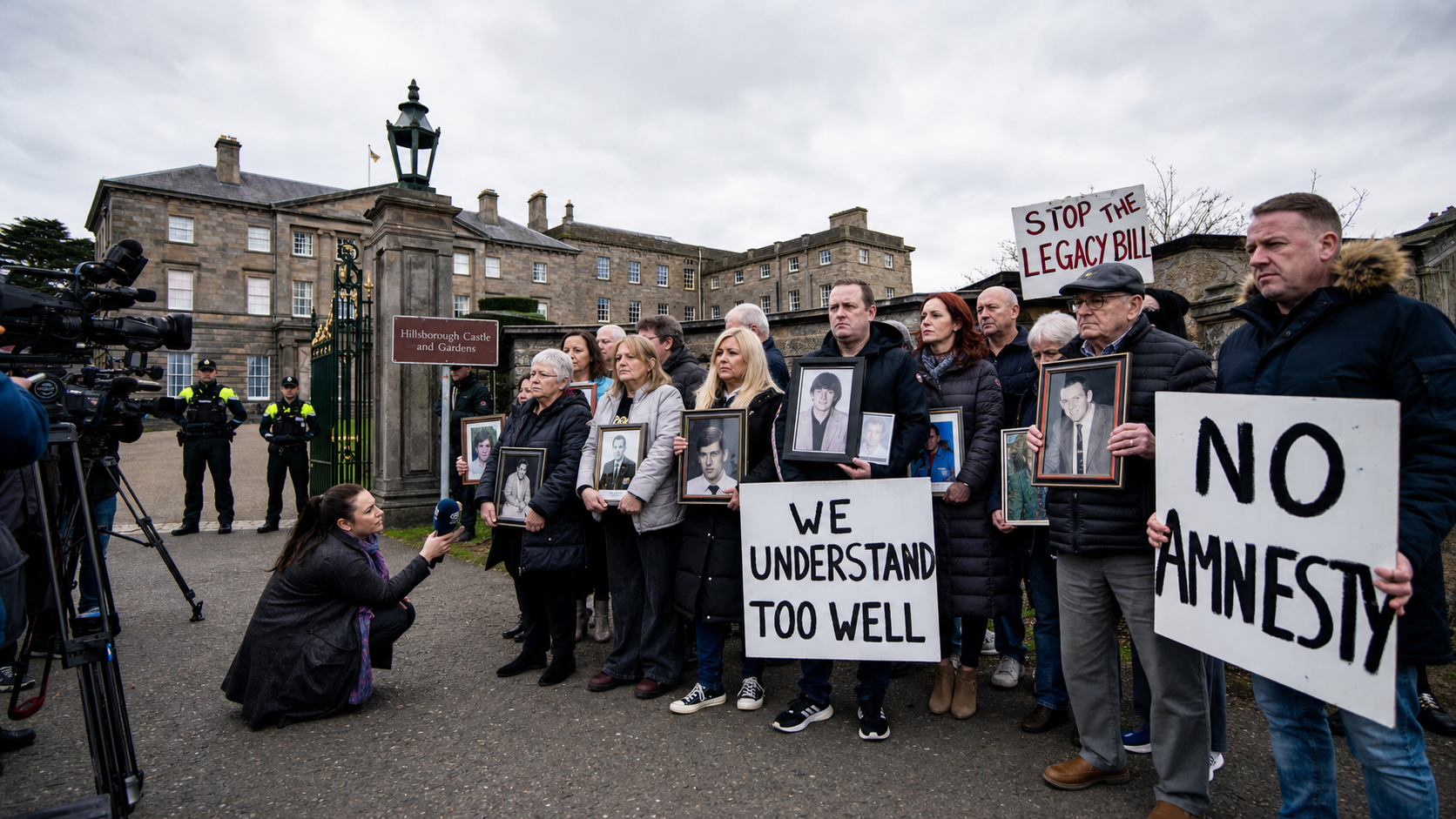
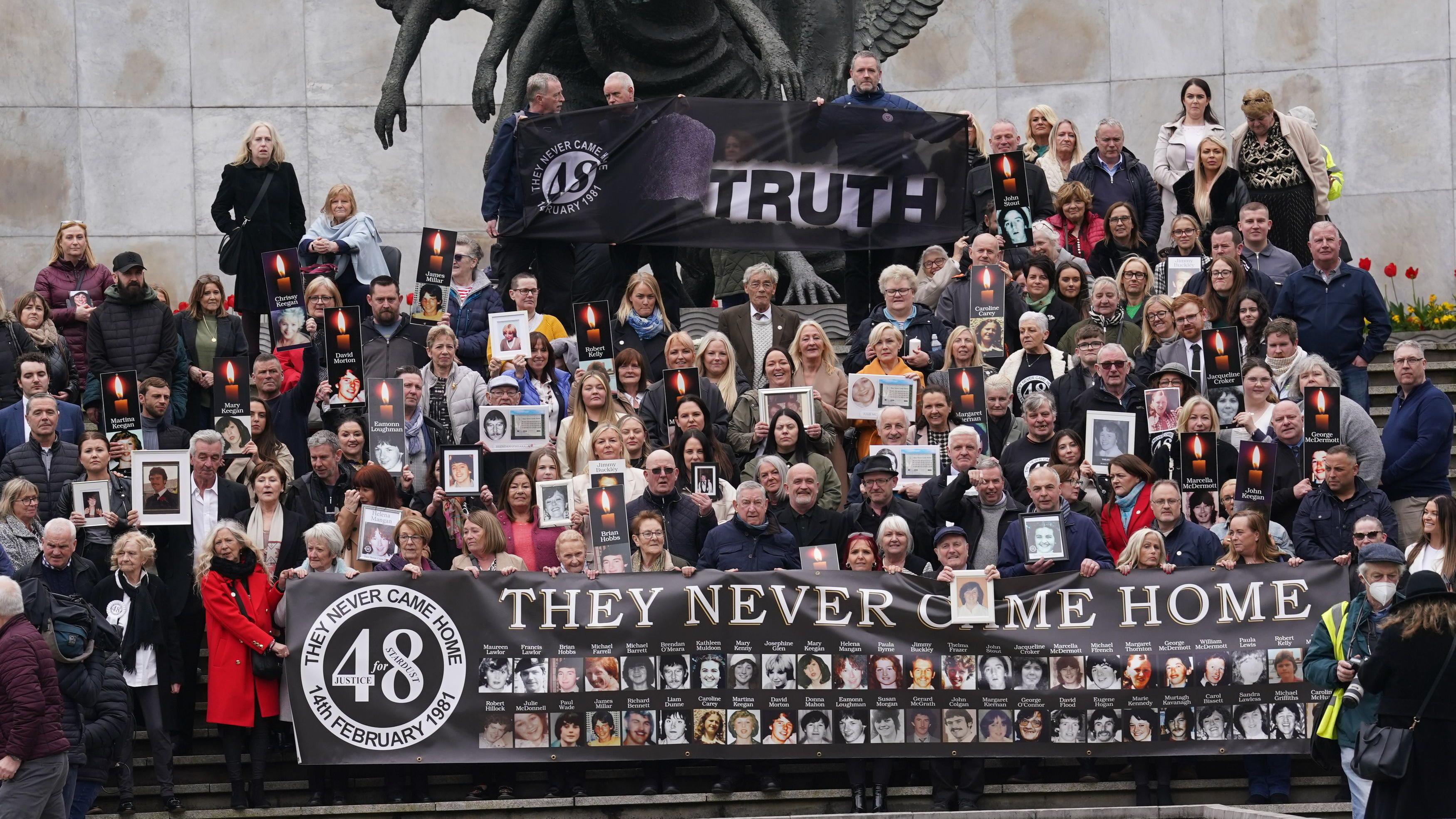
Survivors of the 1981 Stardust nightclub fire have renewed their condemnation of the government's flat €20,000 compensation scheme as nearly 100 of the 823 eligible individuals have received the payment, with campaigners arguing that the one-size-fits-all approach fails to recognise the vastly different levels of injury and trauma suffered by those who were present on the night that 48 young people died in Artane, north Dublin.
The scheme, announced by Minister for Justice Jim O'Callaghan in February 2026, has been the subject of a High Court judicial review brought by Jimmy Fitzpatrick, a survivor who sustained catastrophic burns during the fire. The case, which was adjourned to November 2026, challenges the legality of the scheme and the government's failure to consult meaningfully with survivors before finalising its terms.
Background
The Stardust fire of February 14, 1981, was one of the worst disasters in the history of the Irish State. Forty-eight young people died and more than 200 were injured when fire broke out at the Stardust nightclub in Artane, north Dublin, during a Valentine's Day disco. The cause of the fire was the subject of decades of controversy, with the original tribunal of inquiry finding that it was "probably caused by arson" — a finding that was overturned by a second inquest in 2023, which returned verdicts of unlawful killing for all 48 victims.
The families of the victims and the survivors have fought for more than four decades for truth, justice, and recognition of their suffering. The 2023 inquest verdicts were a landmark moment in that struggle, but they also raised the question of what form of redress was appropriate for those who had been affected by the fire and by the decades of official denial and misrepresentation that followed it.
The government's response was a two-phase redress scheme. The first phase, which provided payments to the families of those who died, was broadly welcomed. The second phase — the flat €20,000 payment to survivors who participated in the original 1985 compensation tribunal — has been far more controversial.
Key Developments
Survivors and their legal team at Phoenix Law have argued from the outset that the flat payment approach is fundamentally unjust. The 823 individuals who are eligible for the payment include people who suffered minor injuries and people who, like Fitzpatrick, sustained life-altering burns and trauma that have affected every aspect of their lives for more than four decades. A flat payment of €20,000 treats these vastly different experiences as equivalent, which survivors say is both insulting and wrong.
The government had previously indicated that the second phase of the scheme would include tailored, "exceptional" payments for the most severely injured survivors. Survivors say that commitment was abandoned without consultation, and that the announcement of the flat payment scheme came as a shock. "We were treated with contempt," said one survivor. "They made promises and then broke them without even telling us."
The High Court granted Fitzpatrick leave to seek a judicial review of the scheme in July 2026, finding that his challenge raised arguable grounds. The case is due to be heard in November, and its outcome could have significant implications for the scheme and for the government's approach to redress for historical injustices more broadly.
Why It Matters
The Stardust case is a test of the government's commitment to meaningful redress for historical injustices. The 2023 inquest verdicts of unlawful killing were a recognition that the State had failed the victims and their families for more than four decades. The question now is whether the redress scheme that follows those verdicts will be adequate to the scale of that failure, or whether it will represent another chapter in a long history of official inadequacy.
The flat payment approach has been criticised not just by Stardust survivors but by legal experts and advocacy organisations who argue that it sets a dangerous precedent for how the State approaches redress in cases of historical injustice. If the government can discharge its obligations to survivors of a catastrophic fire with a flat payment of €20,000 — regardless of the severity of the injuries sustained — it raises questions about the adequacy of redress in other historical cases, including those involving institutional abuse and other State failures.
The judicial review brought by Fitzpatrick is an important check on the government's approach. The courts have a role in ensuring that redress schemes are designed and implemented in a manner that is fair, proportionate, and consistent with constitutional rights, and the High Court's decision to grant leave for the review suggests that there are genuine legal questions to be answered.
Local Impact
The Stardust fire had its most devastating impact on the communities of north Dublin, particularly Artane, Coolock, and Raheny, where many of the victims and survivors lived. The fire destroyed families and left lasting trauma in those communities, and the decades-long struggle for justice has been a defining feature of community life in the area. The survivors who are now challenging the compensation scheme are, in many cases, people who have spent their entire adult lives fighting for recognition of what happened to them and to their friends and neighbours on that February night in 1981.
What's Next
The judicial review is scheduled to be heard in the High Court in November 2026. If the court finds in Fitzpatrick's favour, the government will be required to reconsider the scheme through a formal consultation framework. The Department of Justice has indicated that it will defend the scheme in court, arguing that the flat payment approach is a reasonable and proportionate response to the circumstances. The outcome of the case is expected to have significant implications for the future of the scheme and for the broader question of how the State approaches redress for historical injustices.