Troubles Legacy Families Hit Back at NI Secretary's Claim Bill Has Been 'Misunderstood'
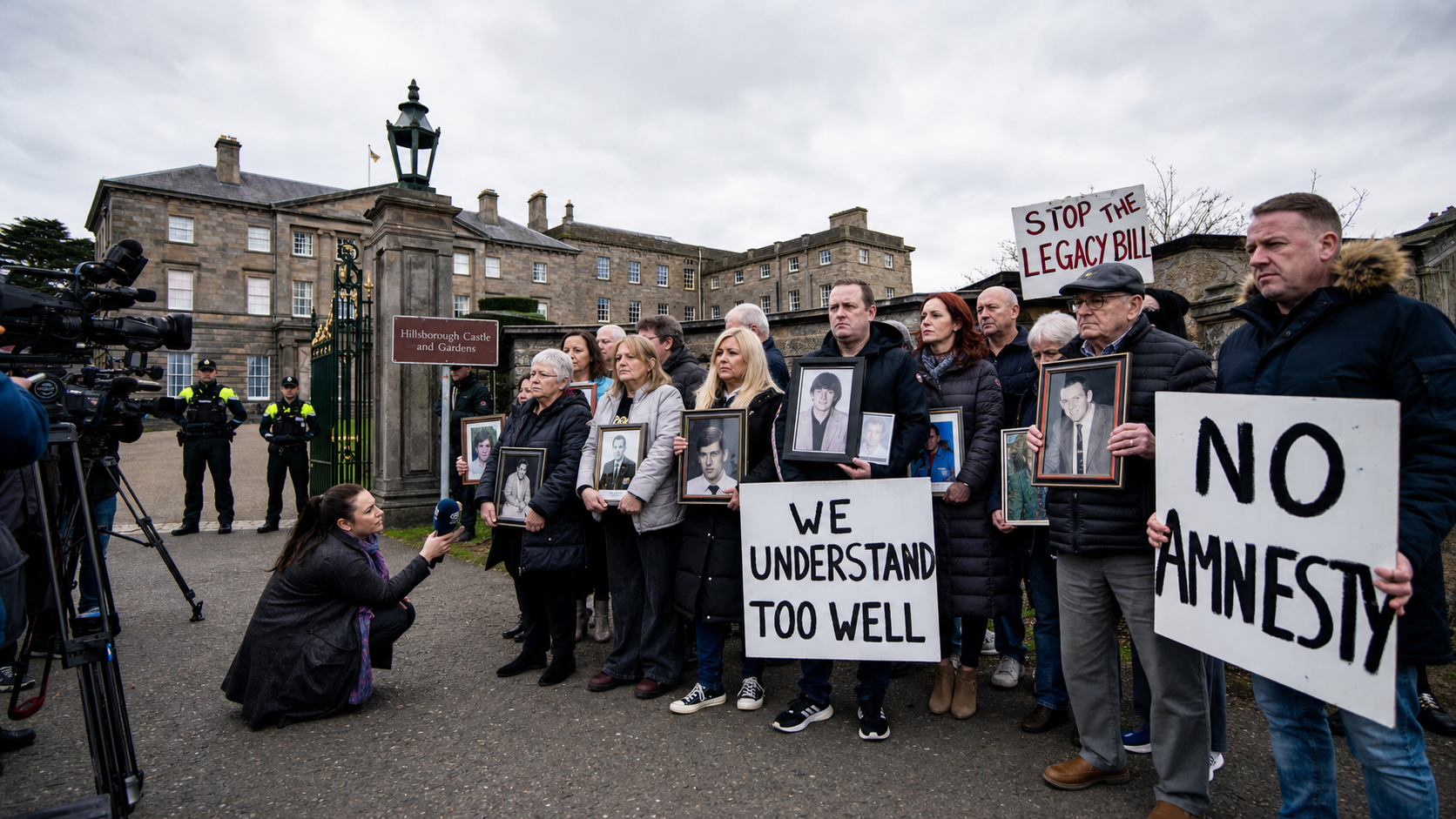
Families bereaved during the Troubles have pushed back sharply against Northern Ireland Secretary Sir Chris Bryant's suggestion that opposition to the government's legacy legislation stems from a "misunderstanding" of its purpose, with victims' representatives insisting they understand the bill all too well — and that it fails to deliver the accountability and justice they have sought for decades.
Background
The Troubles legacy legislation has been one of the most contentious political issues in Northern Ireland since the previous Conservative government introduced the Legacy Act in 2023. That legislation, which granted conditional immunity from prosecution to individuals who cooperated with a new Independent Commission for Reconciliation and Information Recovery, was condemned by victims' groups, the Irish government, and human rights organisations as a betrayal of the principles of the Good Friday Agreement and a violation of the European Convention on Human Rights.
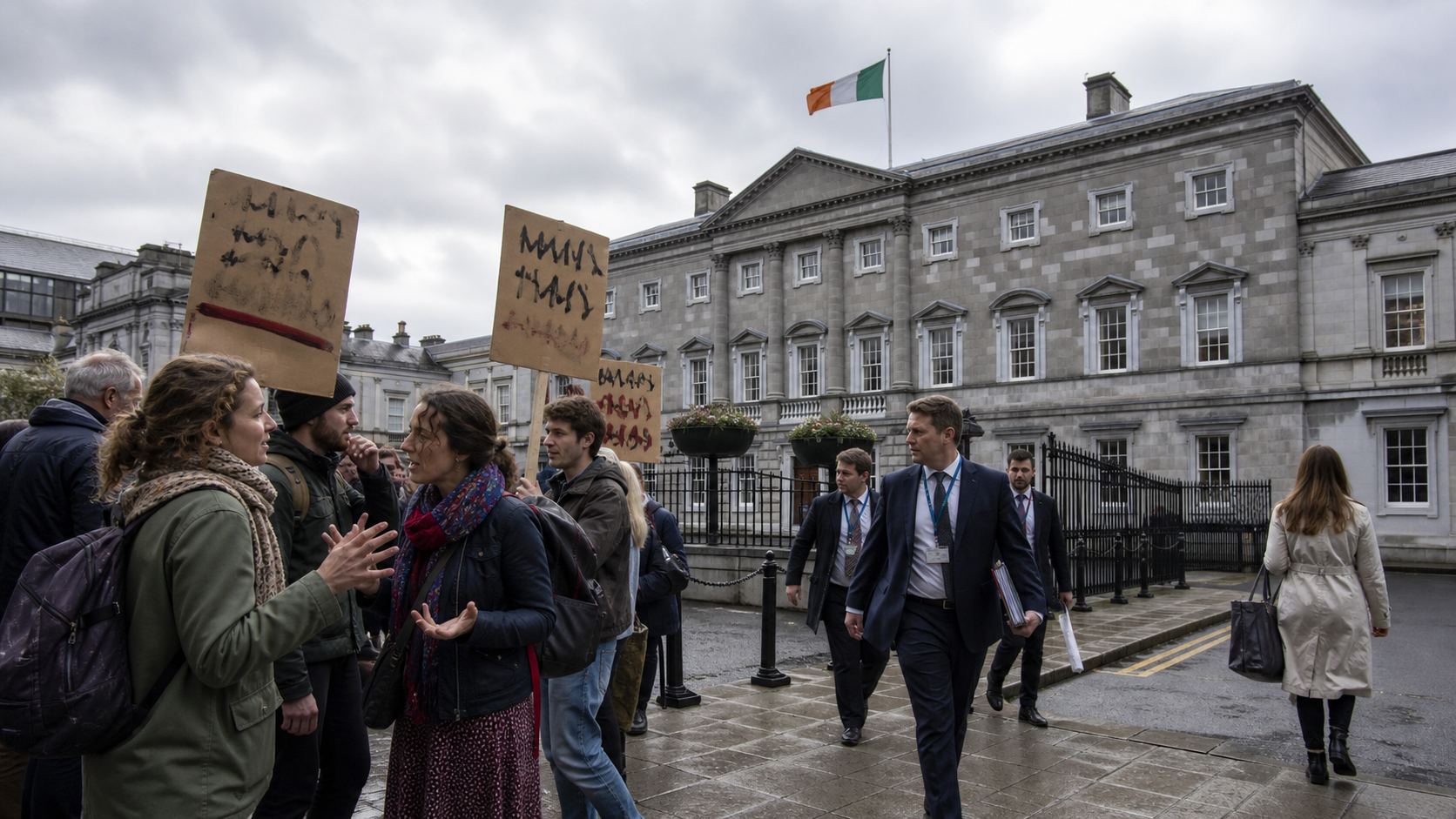
The current Labour government, led by Prime Minister Andy Burnham, came to power in 2025 with a commitment to repeal and replace the Legacy Act with legislation that would be more acceptable to victims and their families. Sir Chris Bryant was appointed Northern Ireland Secretary in July 2026 and has been working to develop a revised bill that retains the core architecture of a Legacy Commission while addressing the most objectionable features of the original legislation. His first official visit to Dublin, which took place last week, was intended to signal the government's commitment to working in partnership with the Irish government on the legacy issue.
The revised bill proposes the establishment of a Legacy Commission with investigative powers, alongside a dedicated unit within An Garda Síochána to investigate killings that occurred in the Republic during the Troubles. The government has indicated it will table amendments in the House of Commons to clarify the bill's intent and to avoid creating what Bryant described as a "false moral equivalence" between acts of terrorism and the actions of security forces.
Key Developments
Speaking during his Dublin visit, Bryant suggested that some people had "misunderstood" the purpose of the bill, framing the legislation as a necessary vehicle to secure answers for families who have waited decades for the truth about what happened to their loved ones. The comment drew an immediate and forceful response from victims' representatives.
Claire Hayes, whose brother Alan Radford was killed in the Omagh bombing, described the Secretary's comments as "vague" and expressed scepticism regarding the government's reliance on the Irish government to work in "lockstep" on the matter. Kate Nash, whose brother William was killed on Bloody Sunday, stated that families did not misunderstand the bill but rather understood it all too well, noting that it failed to address the long-standing issue of immunity for soldiers and the lack of honest application of the justice system. Nash said: "We have read every word of this legislation. We understand it perfectly. What we don't understand is why the government thinks it is acceptable."
Bryant maintained that the bill is essential for providing closure to families from all backgrounds, including those from nationalist and loyalist communities, as well as families of RUC officers and those killed during Operation Banner. He acknowledged the "pain and anguish" of those affected and stated his intention to table amendments that would clarify the bill's intent.
Why It Matters
The legacy issue is one of the most emotionally charged and politically complex questions in Northern Ireland's post-conflict landscape. More than 3,500 people were killed during the Troubles, and thousands more were injured or bereaved. For many families, the pursuit of truth and accountability has been a decades-long struggle against institutional resistance, political indifference, and the passage of time. The suggestion that their opposition to the legacy legislation reflects a misunderstanding rather than a principled objection is experienced as deeply dismissive.
The government's challenge is genuine: designing a legacy mechanism that satisfies the competing demands of victims from different communities, the legal requirements of the ECHR, the political constraints of the Westminster parliamentary arithmetic, and the sensitivities of the Irish government is extraordinarily difficult. But the manner in which Bryant framed the opposition — as a misunderstanding rather than a legitimate disagreement — has damaged his credibility with the very communities he needs to bring on board if the legislation is to have any prospect of achieving its stated goals.
Local Impact
For families across Northern Ireland — in areas from the Falls Road and the Shankill in Belfast to Derry's Bogside and the rural communities of south Armagh and Fermanagh — the legacy legislation touches on the most painful chapters of their lives. The prospect of a new commission that might finally provide answers about what happened to their loved ones is something many families have cautiously welcomed, while remaining deeply sceptical about whether the government has the political will to make it work. The Victims' Commissioner for Northern Ireland has called for a period of intensive consultation with victims' groups before the bill is finalised.
What's Next
Bryant has indicated he will table amendments to the legacy bill in the House of Commons in September, ahead of the bill's committee stage. The Irish government has been invited to submit observations on the proposed amendments. A cross-party group of MPs from Northern Ireland parties has requested an urgent meeting with Bryant to discuss the amendments before they are tabled. The Victims' Commissioner has called for a dedicated victims' forum to be established to provide ongoing input into the legacy process.