Aer Lingus and Pilots End Job Cuts Talks Abruptly as Redundancy Dispute Deepens
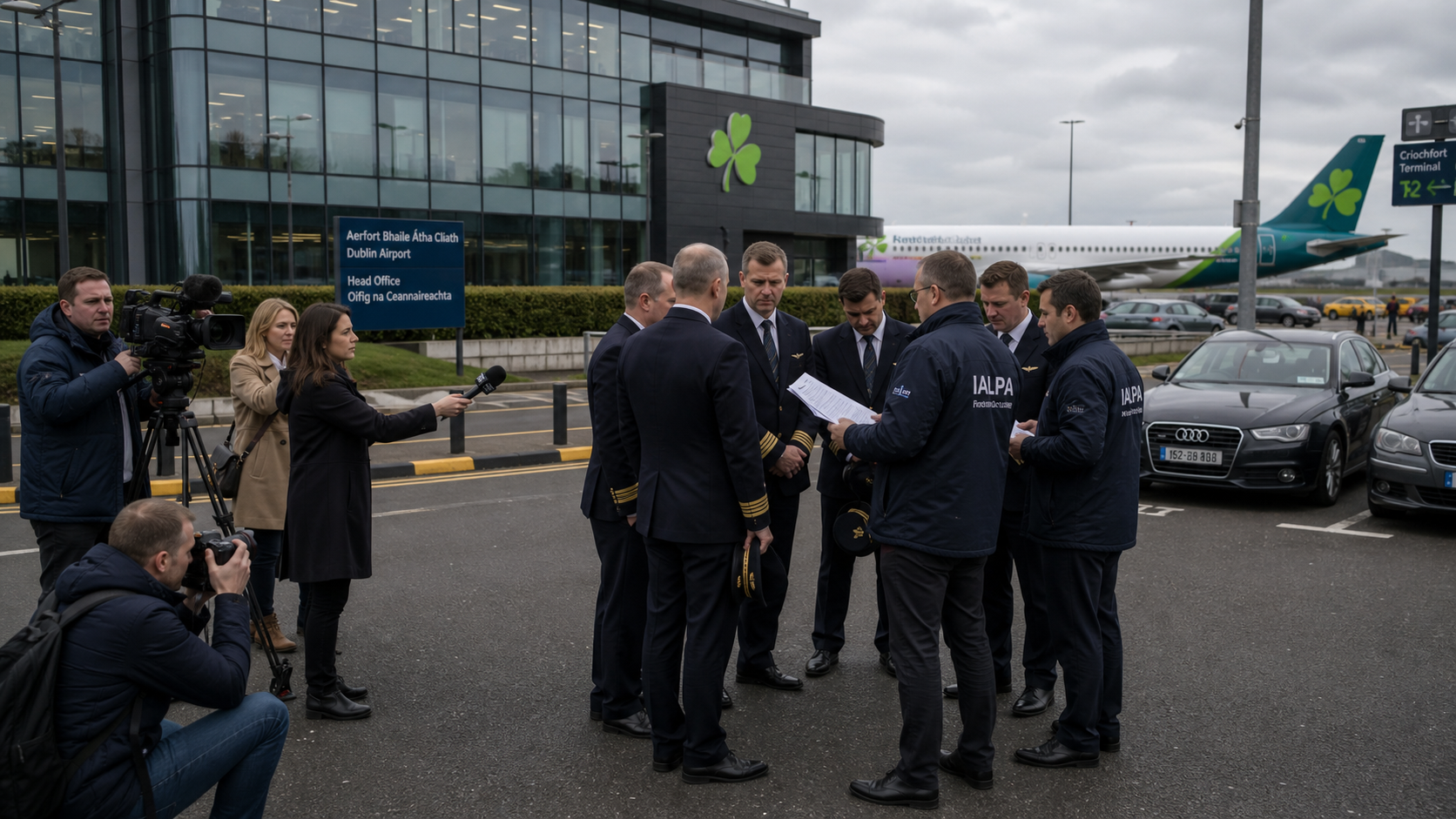
Talks between Aer Lingus and the Irish Airline Pilots' Association have ended abruptly over the airline's plan to cut up to 70 pilot positions as part of a wider 500-job redundancy programme, with the breakdown coming after the IAG European Works Council demanded that the consultation process be immediately paused — a request that Aer Lingus has rejected, arguing that the proposed changes affect only Irish-based staff and do not require European-level consultation.
Background
Aer Lingus, Ireland's national carrier and a subsidiary of the International Airlines Group, announced in July 2026 a restructuring plan that includes the elimination of up to 500 positions across its workforce — 70 pilots, 140 cabin crew, and 290 head office roles — alongside a 6% reduction in flight capacity. The airline cited a reported €103 million loss in the first quarter of 2026, increased transatlantic competition, and rising fuel costs as the primary drivers of the restructuring, and stated that the measures were necessary to achieve an operating margin of 12% to 15% — a target set by IAG as a condition for future fleet investment.
The announcement provoked immediate and strong opposition from the Irish Airline Pilots' Association, which represents Aer Lingus pilots and has historically maintained a robust stance on issues of pay, conditions, and job security. IALPA, led by Captain Daniel Langan, argued that the airline remained profitable by European standards and that the redundancy programme was driven by a desire for "excess profits" rather than genuine financial necessity. The union also objected to the airline's practice of linking pilots' terms and conditions to fleet investment decisions — matters for which, IALPA argued, pilots bear no responsibility.
The dispute has unfolded against a backdrop of strained industrial relations between Aer Lingus and its workforce that stretches back to the 2024 pay dispute, in which IALPA and the airline failed to reach agreement on a pay claim, leading to work-to-rule actions and flight cancellations that disrupted thousands of passengers during the summer season.
Key Developments
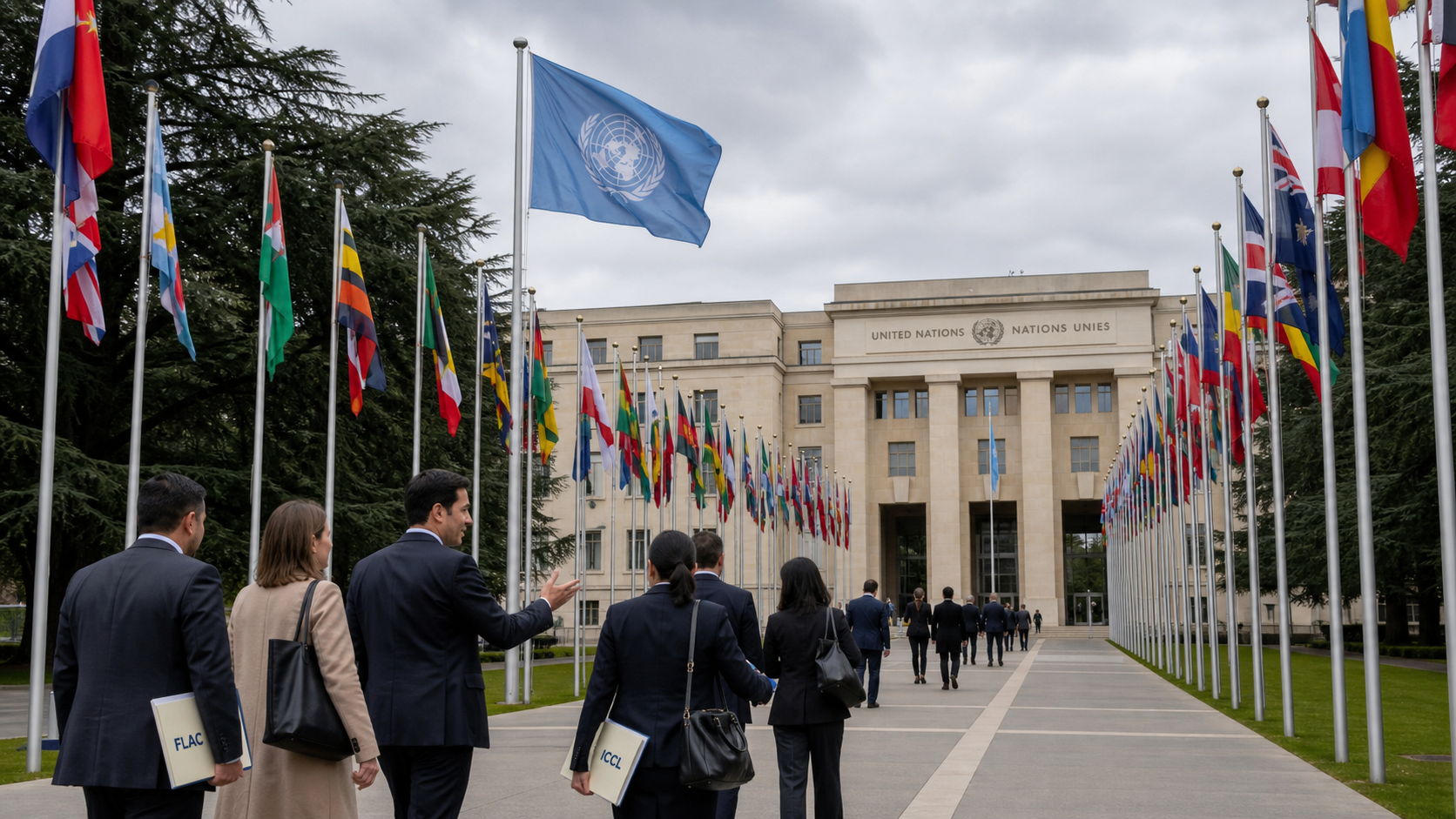
The immediate trigger for the breakdown of talks was the intervention of the IAG European Works Council, which represents employees across all IAG subsidiaries — including British Airways, Iberia, and Vueling — at the European level. The EWC formally requested that Aer Lingus "immediately pause" its consultation process with Irish unions, arguing that the restructuring had transnational implications that required consultation at the group level before national-level discussions could proceed.
Aer Lingus rejected this request, maintaining that the proposed changes were not transnational and affected only Irish-based staff, and that the airline was fulfilling its statutory obligations under Irish employment law. The airline's position is that the EWC has no standing to intervene in a consultation process that is governed by Irish legislation and involves only Irish employees.
IALPA has supported the EWC's position, arguing that the restructuring is part of a broader IAG strategy that has transnational dimensions and should therefore be subject to European-level consultation. The union has also reiterated that it has never accepted compulsory redundancies and expects the company to prioritise voluntary options before any compulsory process is initiated. With talks having ended abruptly, the dispute is now likely to move to a more formal phase, potentially involving the Workplace Relations Commission or the Labour Court.
Why It Matters
The Aer Lingus dispute matters for several reasons that extend beyond the immediate interests of the parties involved. Aer Lingus is Ireland's national carrier and a critical piece of the country's economic infrastructure, providing connectivity to over 100 destinations and supporting tens of thousands of jobs directly and indirectly. A prolonged industrial dispute that disrupts flight operations would have significant consequences for Irish tourism, business travel, and the broader economy — consequences that would be felt most acutely in the summer and autumn travel seasons.
The dispute also raises important questions about the governance of multinational companies and the rights of workers in subsidiaries to engage in collective bargaining without interference from parent company structures. The EWC's intervention in the Aer Lingus consultation process is a novel development that will be watched closely by employment lawyers, trade unions, and corporate governance specialists across Europe. The outcome of the dispute could set a precedent for how similar situations are handled in other IAG subsidiaries and in the broader aviation sector.
Local Impact
For the approximately 70 pilots facing potential redundancy, the breakdown of talks is a source of significant personal and financial anxiety. Aer Lingus pilots are among the highest-paid workers in the Irish aviation sector, and the loss of a position at the airline would represent a major disruption to their careers and livelihoods. For the broader workforce — including the 140 cabin crew and 290 head office staff also facing redundancy — the uncertainty created by the breakdown of talks will be deeply unsettling. Dublin Airport, which is the hub for Aer Lingus operations, is a major employer in the north Dublin area, and any significant reduction in the airline's workforce would be felt in the local economy.
What's Next
With direct talks having ended, the dispute is likely to be referred to the Workplace Relations Commission for conciliation. If conciliation fails to produce a resolution, the matter may be referred to the Labour Court for a recommendation. IALPA has indicated that it is prepared to pursue all available legal and industrial relations avenues to protect its members' positions. The timeline for a resolution is uncertain, but the airline will be keen to avoid a repeat of the 2024 disruption, which caused significant reputational and financial damage during the peak summer travel season.