South Belfast Bonfire Standoff: PSNI Refuses to Assist Council Contractors as Asbestos Concerns Mount
A tense public safety standoff has developed in the Village area of South Belfast after the PSNI concluded that the risks of assisting Belfast City Council contractors to remove a large Eleventh Night bonfire — built in close proximity to an electricity substation serving both the Royal Victoria and Belfast City Hospitals — were outweighed by the potential for serious public disorder, even as the Northern Ireland Environment Agency confirmed the presence of hazardous asbestos on the site.
Background
The construction and regulation of loyalist Eleventh Night bonfires is one of the most persistently contentious issues in Northern Ireland's annual calendar. Every July, communities across Belfast and beyond erect large pyres as part of the traditional celebrations surrounding the Twelfth of July, which commemorates the Battle of the Boyne in 1690. The bonfires are a deeply embedded cultural tradition for many in the unionist and loyalist community, but they have also been a recurring source of conflict with local authorities, environmental agencies, and neighbouring communities over issues of safety, pollution, and the display of sectarian or racist material.
The Village area of South Belfast has been the site of previous bonfire controversies, and the 2026 structure attracted attention early due to its location. The bonfire was erected in close proximity to an electricity substation that provides power to both the Royal Victoria Hospital on the Falls Road and Belfast City Hospital on the Lisburn Road — two of the most critical healthcare facilities in Northern Ireland. The potential for the bonfire to damage or disrupt the substation, with consequences for patients dependent on powered medical equipment, was identified as a serious concern by Belfast City Council and its advisers.
The Northern Ireland Environment Agency (NIEA) added a further dimension to the safety concerns when it confirmed the presence of hazardous asbestos on the bonfire site. Asbestos, when disturbed or burned, releases carcinogenic fibres that pose a serious risk to public health. The NIEA indicated it was working to remove the asbestos, but the presence of the material on the site significantly elevated the risk profile of the bonfire.
Key Developments
Belfast City Council, acting on the advice of its safety officers, took the decision to engage contractors to dismantle the bonfire before the Eleventh Night. This decision was met with resistance from within the local community, with threats of disorder if contractors attempted to access the site. The Council sought the assistance of the PSNI to provide a protective presence for the contractors during the removal operation.
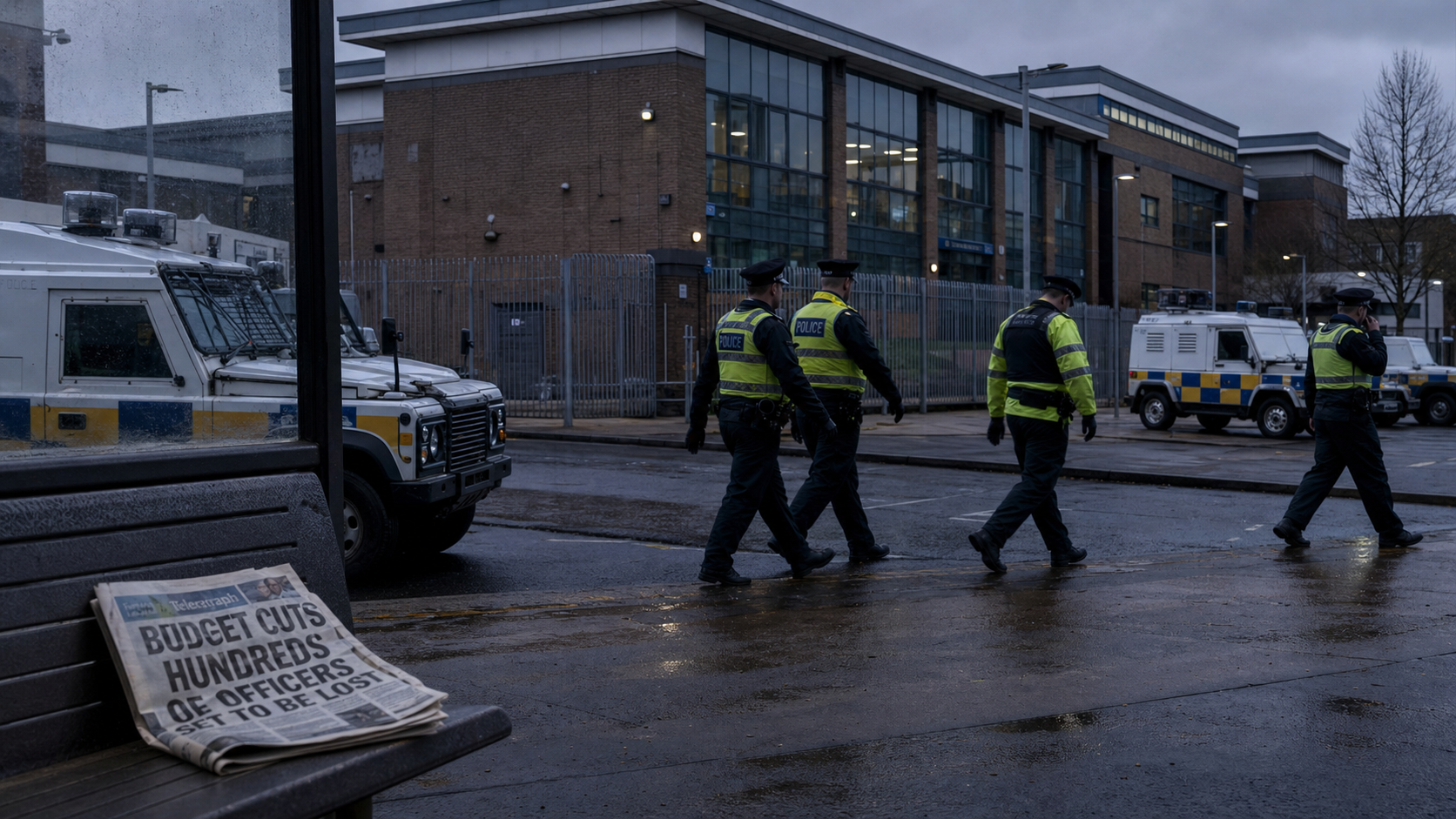
Following a multi-agency assessment, the PSNI announced that it would not provide assistance to the contractors. The police concluded that the risk of serious public disorder — including the potential for violence against officers and contractors — was greater than the risks posed by allowing the bonfire to proceed with mitigation measures in place. This is a judgement call that the PSNI is required to make in such situations, balancing competing risks in a context where the potential for community tension is high.
The decision sparked immediate and fierce political debate. TUV councillor Ron McDowell accused the media and nationalist politicians of "demonising" the Village community and its cultural traditions, arguing that the bonfire was being used as a pretext for an attack on loyalist culture. Alliance and SDLP councillors, by contrast, argued that the failure to enforce safety regulations set a dangerous precedent and undermined the rule of law. A legal challenge brought by a local resident seeking a court order to force the bonfire's removal was subsequently dropped, leaving the situation unresolved through the courts.
Why It Matters
The South Belfast bonfire standoff is a microcosm of one of Northern Ireland's most enduring governance challenges: the difficulty of enforcing safety and environmental regulations when doing so risks triggering community disorder. This is not a new dilemma — similar situations have arisen in previous years in areas including Derry, Newtownabbey, and other parts of Belfast — but the specific circumstances of the 2026 Village bonfire, with its proximity to hospital infrastructure and the confirmed presence of asbestos, make it a particularly stark example.
The PSNI's decision not to assist the Council contractors will be scrutinised carefully. Critics will argue that it effectively allows the threat of disorder to override legitimate safety concerns, creating a precedent that emboldens those who use the threat of violence to resist lawful authority. Defenders of the decision will argue that the police are required to make pragmatic operational judgements and that a forced removal that resulted in serious violence would have been a worse outcome than a managed bonfire with mitigation measures. Neither position is without merit, and the tension between them reflects the genuine complexity of policing in a divided society.
Local Impact
For residents of the Village area and surrounding South Belfast neighbourhoods, the standoff has been a source of significant anxiety. Residents living close to the bonfire site, including those in the Donegall Road and Sandy Row areas, have expressed concern about the safety implications of a large fire adjacent to critical infrastructure. Staff at the Royal Victoria Hospital and Belfast City Hospital have been briefed on contingency plans in the event of a power disruption. The NIEA's asbestos removal work has been conducted under controlled conditions, but the presence of the material on the site has raised concerns among local residents about potential exposure. Belfast City Council has indicated it will review its approach to bonfire management ahead of the 2027 season.
What's Next
The Eleventh Night bonfires are scheduled for the night of 11 July, with the main Twelfth of July parades taking place on Monday, 13 July. Belfast City Council has indicated it will conduct a full review of the events and the multi-agency response in the weeks following the Twelfth. The NIEA will publish a report on the asbestos removal operation. Political parties at Stormont have called for a comprehensive review of the legislative framework governing bonfire management, with several MLAs arguing that the current system is inadequate to address the safety and environmental challenges posed by large bonfires in urban areas.