PSNI Releases Images of Suspects in Oakley Street Disorder as June Riots Investigation Continues
The Police Service of Northern Ireland has released images of individuals sought in connection with serious public disorder in the Oakley Street area of Belfast, as the investigation into the widespread racial violence that swept across the city and other towns between 9 and 11 June 2026 continues to generate arrests and prosecutions — with the human and financial cost of the unrest still being counted weeks later.
Background
The riots that erupted across Belfast and several other Northern Ireland towns in June 2026 represented the most serious outbreak of racially motivated public disorder in the region's recent history. The violence was triggered by a knife attack on a man in north Belfast on 8 June by a Sudanese national. Within hours, misinformation and incitement spread rapidly across social media platforms, with false claims about the nature of the attack and the identity of the perpetrator circulating widely. By the evening of 9 June, mobs were targeting homes, businesses, and vehicles associated with immigrant and ethnic minority communities.
The disorder spread beyond Belfast to towns including Portadown, where Thomas Street was heavily targeted. Houses of Multiple Occupancy housing migrants were specifically identified and attacked, with reports that "hitlists" of such properties had been circulating in the area for months prior to the violence. The PSNI has since confirmed that it had received intelligence about these lists but that the scale and speed of the disorder exceeded its initial assessment of the threat.
The human cost of the riots was severe. Beyond the immediate physical damage to property, the violence created a climate of intense fear among ethnic minority communities across Northern Ireland. Many families fled their homes, some permanently. Community organisations reported a significant increase in calls from people experiencing trauma, anxiety, and a sense of profound insecurity about their place in Northern Ireland society.
Key Developments
The PSNI's release of images of individuals sought in connection with the Oakley Street disorder on 7 July is part of a sustained investigative effort that has already resulted in dozens of arrests. The force has appealed to the public for information about the individuals pictured, and has indicated that further image releases are planned as the investigation progresses through its evidence review phase.
The financial cost of the riots has been substantial. The initial estimate of £1.5 million is expected to rise significantly as the full extent of property damage, policing costs, and healthcare disruption is assessed. The policing operation for the riots alone cost an estimated £5.4 million, with the UK government providing a one-off emergency package of £4 million to help cover overtime and mutual aid costs from Police Scotland. The PSNI was required to find the remaining £1.4 million from its own already strained budget.
Among the most disturbing aspects of the disorder was the targeting of healthcare workers. Multiple reports confirmed that medical staff, many from ethnic minority backgrounds, were subjected to intimidation and threats as they attempted to travel to and from work. Masked men established informal checkpoints near hospitals, stopping and questioning individuals. First Minister Michelle O'Neill and Health Minister Mike Nesbitt raised these specific concerns directly with Chief Constable Jon Boutcher, demanding assurances that healthcare workers would be protected.
Why It Matters
The June 2026 riots and their aftermath matter for several interconnected reasons. Most fundamentally, they represent a serious failure of community safety and social cohesion in Northern Ireland, exposing the fragility of the progress made in race relations over the past two decades. The targeting of ethnic minority communities — including people who had come to Northern Ireland to work in the health service, in agriculture, and in other essential sectors — has damaged the region's reputation as a welcoming and inclusive place.
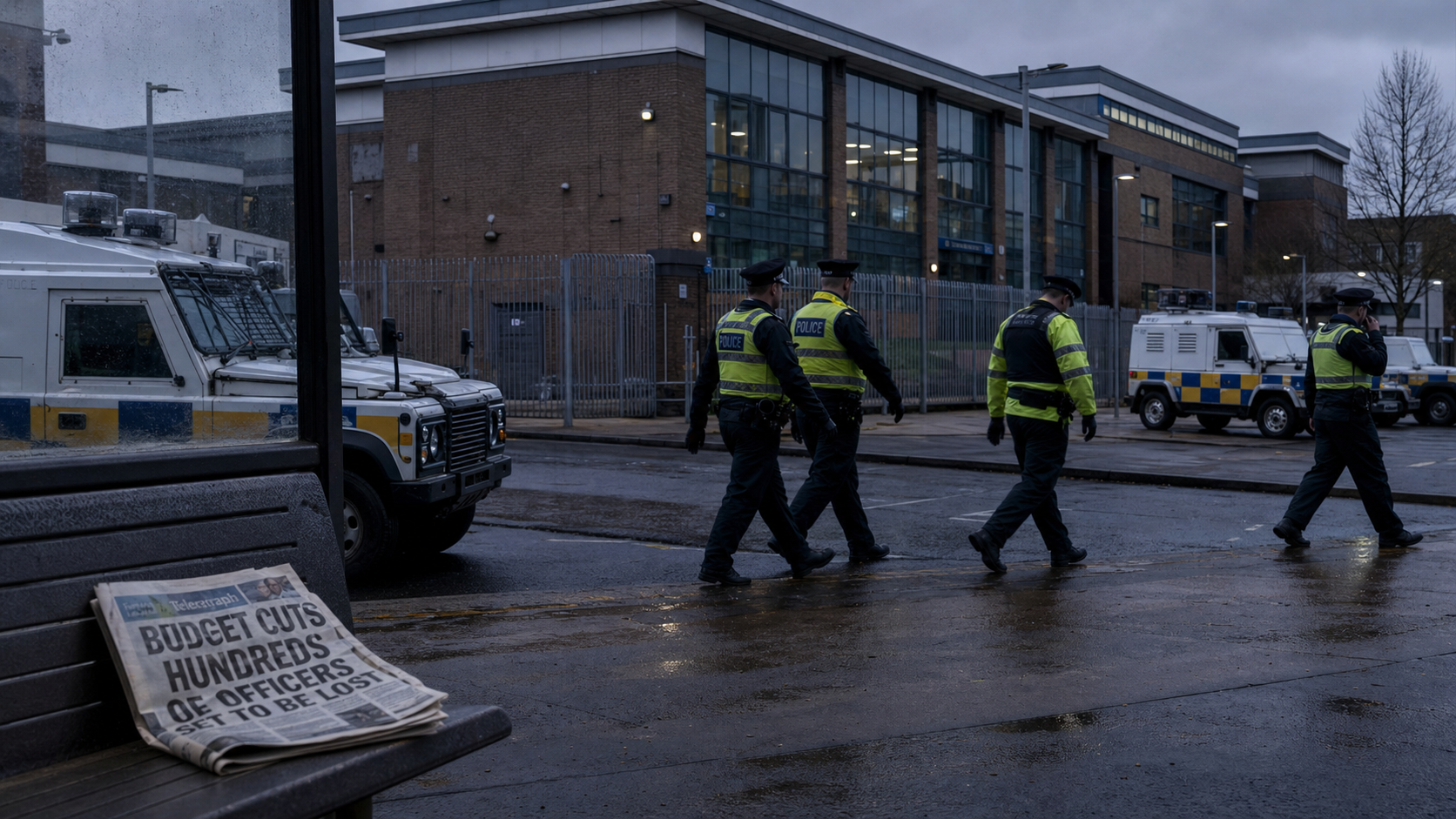
The riots also exposed significant weaknesses in the PSNI's capacity to respond to large-scale disorder. Operating with approximately 6,300 officers — well below its target of 7,000 — the force was stretched to its limits during the June unrest. The cancellation of over 1,100 outpatient hospital appointments during the disorder illustrates the cascading consequences of public disorder on essential services. For a health system already operating under severe pressure, the additional disruption caused by the riots was a blow it could ill afford.
Local Impact
In north Belfast, where the initial attack occurred, community relations organisations have been working intensively to rebuild trust and address the fear that has taken hold among ethnic minority residents. In Portadown, Thomas Street remains heavily boarded up, with many of the properties targeted during the riots still uninhabitable. The South Eastern, Belfast, and Northern health trusts have all reported increased demand for trauma and mental health support services in the weeks following the disorder. The PSNI has established a dedicated community liaison team to work with affected communities, and a number of cross-community initiatives have been launched to provide practical support to those displaced by the violence.
What's Next
The PSNI investigation is expected to continue for several months, with further arrests anticipated. A number of individuals have already appeared in court charged with offences including riot, arson, and racially aggravated criminal damage. The Public Prosecution Service has indicated it will pursue the most serious cases with the full weight of the law. Stormont's Justice Committee has announced a formal inquiry into the causes of the disorder and the adequacy of the state's response, with hearings scheduled to begin in September. The inquiry will examine the role of social media in spreading misinformation and incitement, the PSNI's intelligence and preparedness, and the support provided to affected communities.