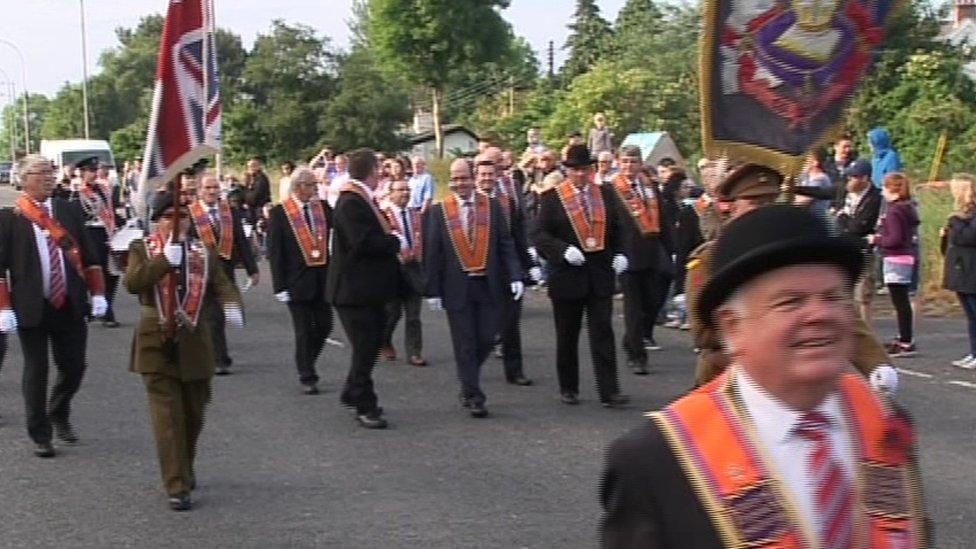
Somme Centenary Parades Mark July 1 in Belfast as Pre-Twelfth Season Begins
Loyalist lodges held commemorative parades across Belfast on Tuesday evening to mark the 110th anniversary of the Battle of the Somme, with events in Ballymacarrett, Sandy Row, and other parts of the city drawing participants and observers as the pre-Twelfth parading season formally got under way.
Background
The first of July holds profound significance in the unionist and loyalist tradition in Northern Ireland. It was on this date in 1916 that the 36th (Ulster) Division suffered catastrophic losses on the first day of the Battle of the Somme, with approximately 5,500 men killed, wounded, or missing in a single day of fighting on the Western Front. The sacrifice of the Ulster Division — which included men from across the nine counties of Ulster, both Protestant and Catholic — has been central to unionist identity and memory ever since.
The annual July 1 commemorations in Belfast are among the most solemn events in the loyalist calendar, distinct in tone from the more celebratory Twelfth of July parades that follow later in the month. The Somme parades are explicitly commemorative in character, with lodges marching in memory of the fallen rather than in celebration of the Williamite victory at the Battle of the Boyne in 1690.
The 2026 commemorations carry particular weight as the 110th anniversary of the battle. While the centenary in 2016 was marked by major state events on both sides of the border — including a joint ceremony attended by the then-President of Ireland and the then-Prince of Wales — the 110th anniversary has been observed more quietly, with the focus on local community commemoration rather than high-profile state events.
Key Developments
The Ballymacarrett District LOL No. 6, one of the oldest and largest Orange lodges in East Belfast, led a parade through the Newtownards Road area on Tuesday evening, with bands and lodge members marching in formal attire. The parade route took in several streets in the Ballymacarrett area, which has a long association with the 36th (Ulster) Division — many of the men who served in the division came from the shipyard and linen mill communities of East Belfast.
In South Belfast, the Queen Victoria Temperance LOL 760 held a parade in the Sandy Row area, one of the most historically significant loyalist districts in the city. Sandy Row has been at the heart of Belfast's loyalist tradition for generations, and the July 1 parade there is one of the longest-established in the city's commemorative calendar.
The Thiepval Memorial LOL 1916 — a lodge named specifically in honour of the Somme memorial in France — also held a parade, with members carrying banners depicting scenes from the battle and portraits of local men who fell in the fighting. The lodge has been particularly active in recent years in promoting historical education about the Somme among younger members of the loyalist community.
Why It Matters
The July 1 commemorations are a reminder of the complex and layered nature of identity and memory in Northern Ireland. The Somme is not simply a loyalist or unionist story — men from nationalist and Catholic backgrounds also served and died in the 36th (Ulster) Division and in other units of the British Army during the First World War. The shared sacrifice of the war has been a point of cross-community reflection in recent decades, with the Irish government and nationalist political parties increasingly acknowledging the service of Irish soldiers in the British Army.
The pre-Twelfth period, of which July 1 is the traditional opening, is a time of heightened community tension in some parts of Belfast and other towns across Northern Ireland. The Parades Commission, which regulates contentious parades, has been working with lodges and residents' groups to manage the parading season in a way that minimises disruption and conflict. This year's season has been overshadowed by the civil unrest of June, which has left community relations in some parts of Belfast more fragile than usual.
Local Impact
The parades on July 1 affected traffic in several parts of Belfast, with temporary road closures in Ballymacarrett, Sandy Row, and other areas where lodges were marching. Translink adjusted some bus routes in the affected areas, with diversions in place for services on the Newtownards Road and Great Victoria Street corridors. The disruption was relatively minor and short-lived, with roads reopening within a few hours of the parades concluding.
For residents in the areas through which the parades passed, the evening was largely peaceful, with no significant incidents reported by the PSNI. Community relations workers from several organisations were present along the parade routes, maintaining dialogue between parade participants and local residents. The PSNI deployed officers in the affected areas as a precautionary measure, but the policing operation was described as routine.
What's Next
The pre-Twelfth parading season will continue throughout the first two weeks of July, with a series of smaller parades and band practices taking place across Belfast and other towns. The main Twelfth of July celebrations are scheduled for Monday, July 13, with the main Belfast demonstration expected to draw tens of thousands of participants and observers. The Parades Commission has issued determinations for the major Twelfth routes, and the PSNI is preparing a significant policing operation for the day. Community relations organisations have been working with both loyalist and nationalist communities to ensure the day passes peacefully.