NI Council Rates Rise Across All 11 Areas as New Financial Year Begins
All 11 local councils in Northern Ireland have confirmed their district rate increases for the 2026/27 financial year, with householders across the province facing combined bills that reflect both local budgetary pressures and the Stormont Executive's regional rate increase of 5% for domestic properties — the steepest regional rise in over a decade.
Background
The rating system in Northern Ireland is the primary mechanism through which local government services are funded. Unlike the council tax system in Great Britain, which is based on property bands, Northern Ireland's rates are calculated as a percentage of a property's capital value. Householders pay a combined bill that includes both the regional rate — set by the Stormont Executive and applied uniformly across Northern Ireland — and the district rate, which is set by each of the 11 local councils to fund local services.
The regional rate has been under sustained upward pressure for several years, reflecting the chronic underfunding of the Northern Ireland block grant and the Executive's inability to agree a multi-year budget. The 5% domestic increase for 2026/27 is the largest single-year rise since the restoration of devolution, and it has been accompanied by a 3% increase for non-domestic properties — a significant additional burden for businesses already struggling with elevated energy costs and supply chain disruption.
At the local level, councils have faced their own financial pressures, driven by rising staff costs, increased demand for waste management and environmental services, and the need to maintain ageing infrastructure. The 11 councils have varying levels of financial resilience, reflecting differences in their rateable base, population size, and the scale of services they provide.
Key Developments
The district rate increases for 2026/27 vary significantly across the 11 council areas. Ards and North Down has confirmed the highest increase at 4.74%, reflecting significant capital investment commitments in the council area. Causeway Coast and Glens follows at 4.41%, with Antrim and Newtownabbey at 4.30% and Lisburn and Castlereagh at 4.29%.
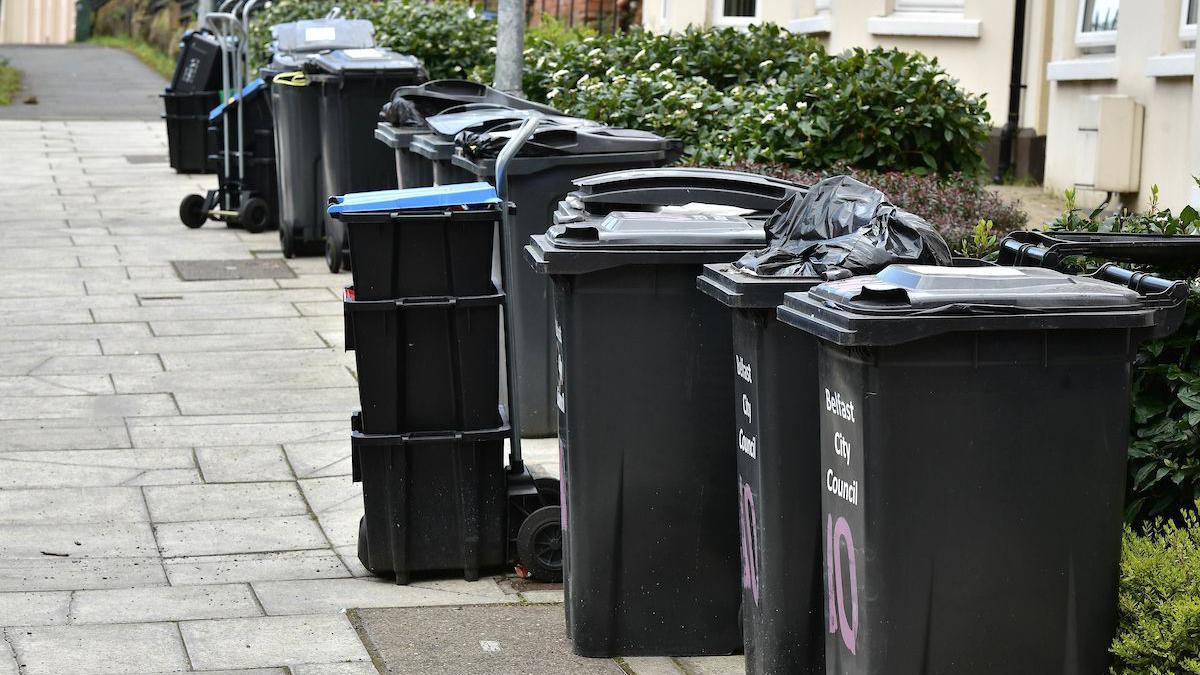
Belfast City Council has confirmed a district rate increase of 3.99% — below the regional average but still representing a substantial additional cost for city ratepayers. The council has pointed to its ambitious capital programme, including the ongoing regeneration of the city centre and investment in leisure facilities, as justification for the increase.
At the lower end of the scale, Fermanagh and Omagh has confirmed the smallest increase at 1.96%, reflecting the council's relatively conservative approach to capital spending and its focus on maintaining existing services rather than expanding provision. Newry, Mourne and Down is at 2.45%, and Mid Ulster at 2.90%.
Why It Matters
The combined impact of the regional and district rate increases will be felt acutely by householders across Northern Ireland, many of whom are already under significant financial pressure from elevated mortgage rates, energy costs, and food prices. For a typical Belfast household in a property valued at £150,000, the combined rate bill for 2026/27 will increase by approximately £120 compared to the previous year — a meaningful sum for families on modest incomes.
The rate increases also reflect a deeper structural problem in Northern Ireland's public finances. The province receives a block grant from Westminster that is calculated using the Barnett formula, which has historically resulted in per-capita funding that is higher than the UK average. However, the formula does not fully account for the higher cost of delivering public services in a dispersed, rural population, and the gap between funding and need has widened in recent years.
Unlike the Republic of Ireland, where local government is funded through a combination of central government grants, commercial rates, and the Local Property Tax, Northern Ireland's councils are heavily dependent on the rating system and have limited capacity to generate alternative revenue streams. This structural dependency makes them particularly vulnerable to any reduction in the rateable base — for example, through business closures or property vacancies.
Local Impact
In practical terms, the rate increases will affect every household and business in Northern Ireland from July 1. Councils have indicated that the additional revenue will be used primarily to maintain existing service levels rather than to expand provision — a reflection of the financial pressures they face. In areas like Derry and Strabane, where the council has one of the lower increases at 2.97%, the focus has been on protecting frontline services including waste collection, parks maintenance, and community facilities.
In the greater Belfast area, the combined effect of the Belfast City Council increase and the regional rate rise will be most visible in the city's residential neighbourhoods, from the Malone Road to North Belfast and East Belfast. Ratepayers in Lisburn and Castlereagh — which covers a large suburban area to the south and east of Belfast — will face one of the higher combined bills, reflecting both the district increase and the regional rate.
What's Next
The new rate bills will be issued to householders across Northern Ireland over the coming weeks, with payment due in instalments over the financial year. Councils have indicated that hardship funds are available for ratepayers who are unable to meet their bills, and the Land and Property Services agency has confirmed that rate relief schemes for low-income households remain in place. The Stormont Executive is expected to publish its multi-year budget framework later in the year, which will set the parameters for regional rate increases in 2027/28 and beyond.