NI Health Service Under Siege: Strikes, Staff Burnout, and Rising Violence in Hospitals
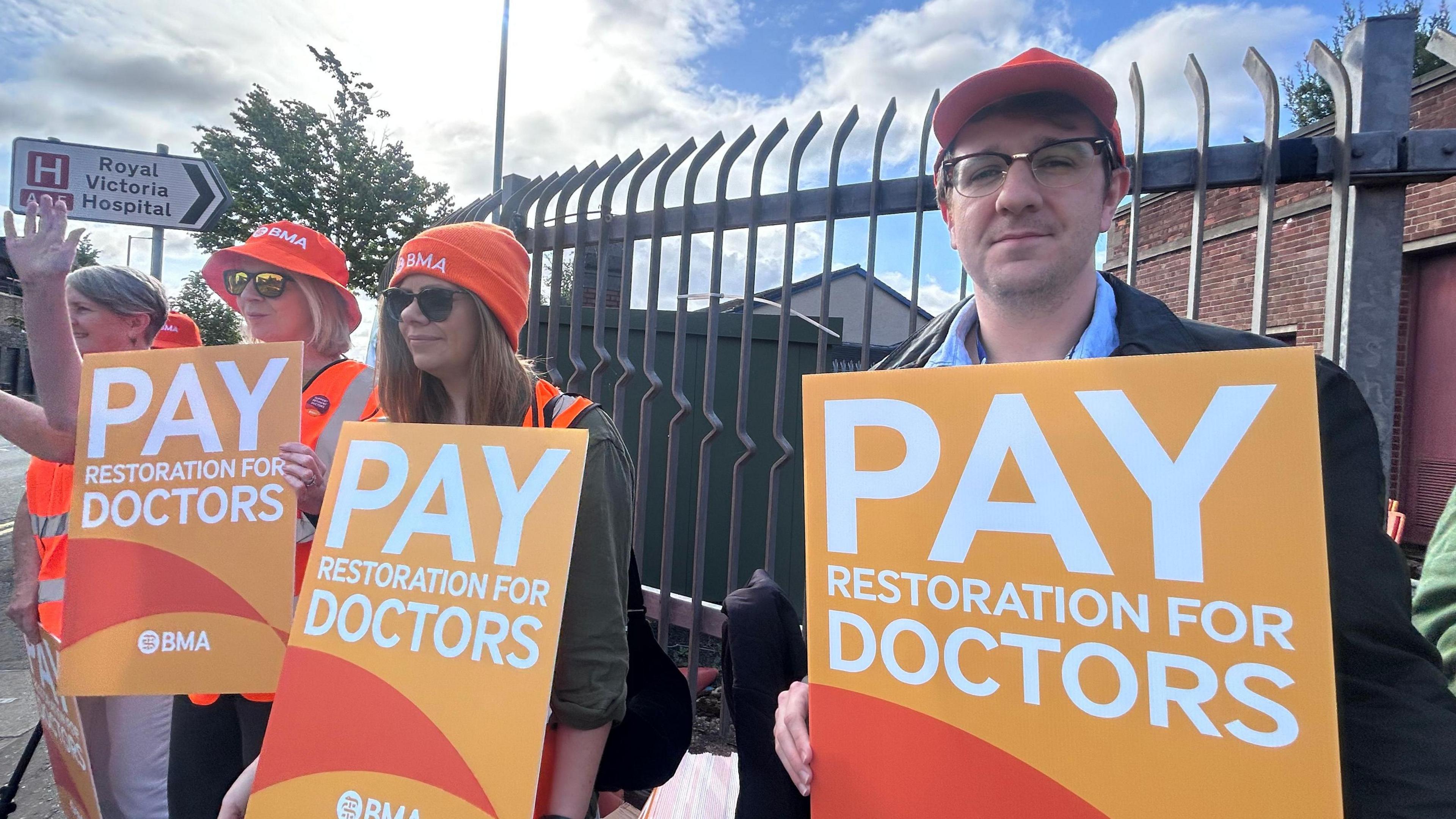
Northern Ireland's health service is facing a convergence of crises that health leaders describe as unprecedented in its severity: BMA consultant strikes are causing the widespread cancellation of elective procedures, a survey has found that 70% of psychiatrists are considering leaving the profession due to burnout, and the Northern Trust has begun deploying body-worn cameras at Antrim Area Hospital to protect staff from rising violence and aggression.
Background
The Northern Ireland health service has been in a state of managed crisis for the better part of a decade. Waiting lists that were already among the longest in the United Kingdom before the pandemic have grown dramatically since 2020, with over 400,000 people now waiting for a first outpatient appointment and tens of thousands waiting for elective surgery. The causes are multiple and well-documented: chronic underfunding relative to need, a workforce that has been depleted by emigration and early retirement, and a physical infrastructure that in many cases dates from the 1960s and 1970s.
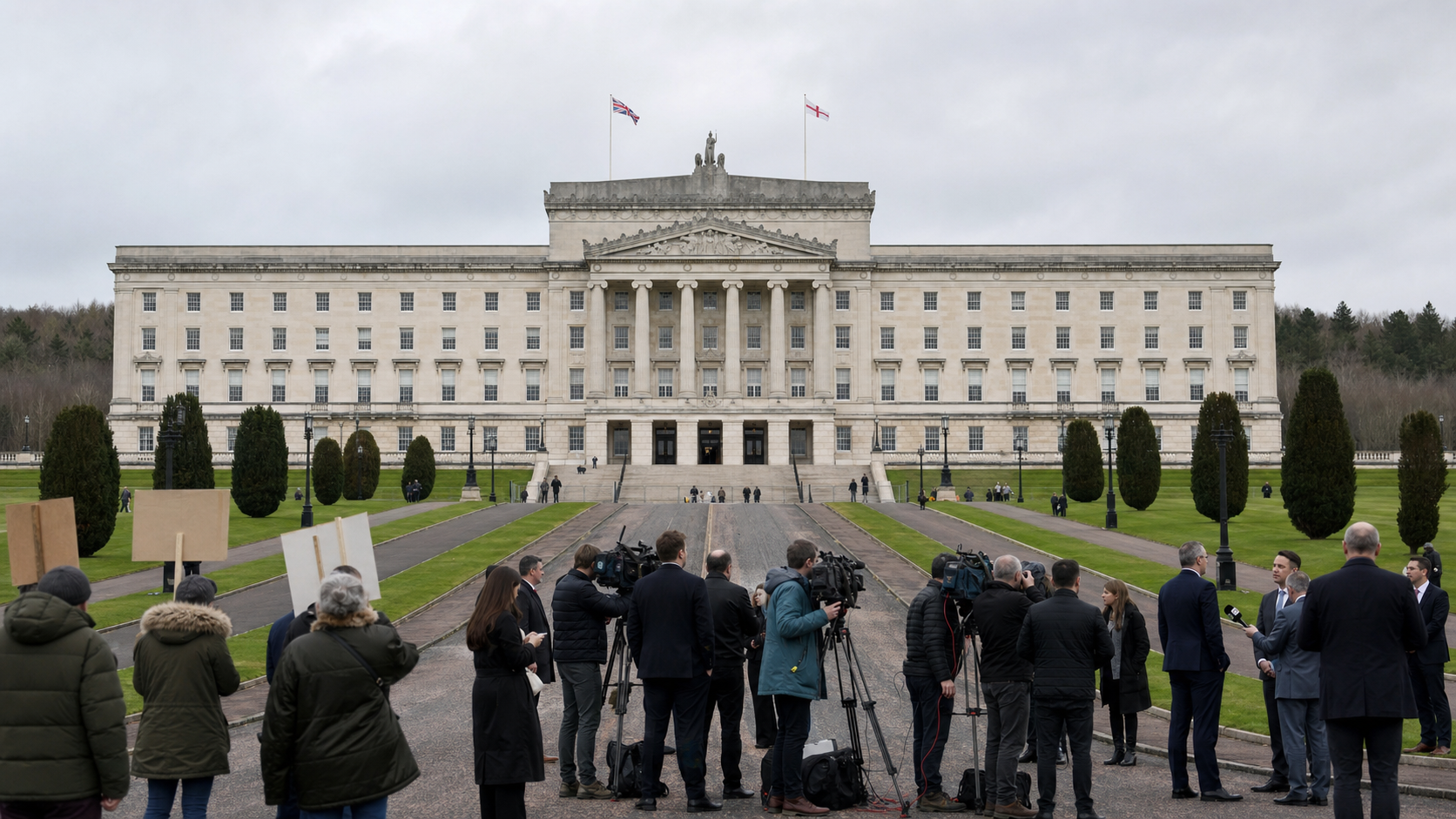
The BMA's industrial action involving consultants and specialist doctors is the latest manifestation of a workforce crisis that has been building for years. Consultants in Northern Ireland are paid significantly less than their counterparts in the Republic of Ireland and, in some specialties, less than colleagues in Great Britain — a disparity that has driven a steady exodus of experienced clinicians to better-paid positions elsewhere. The BMA has been seeking pay restoration that accounts for years of below-inflation increases, but the Stormont Executive has been unable to fund a settlement within its existing budget envelope.
The mental health workforce crisis is particularly acute. Northern Ireland has the highest rates of mental ill-health in the United Kingdom, a legacy of the Troubles that continues to manifest in elevated rates of depression, anxiety, PTSD, and suicide. Yet the psychiatric workforce has been shrinking, with recruitment and retention difficulties leaving services chronically understaffed.
Key Developments
The BMA's ongoing strike action has resulted in the cancellation of thousands of outpatient appointments and elective procedures across all five health trusts. The Belfast Trust, which covers the largest population and operates the most complex services, has been particularly affected, with cardiac, orthopaedic, and cancer services all reporting significant disruption. The trust has been placed under "Level 5 intervention" by the Department of Health following a critical review of its cardiac unit — the highest level of regulatory oversight, indicating serious concerns about service quality and patient safety.
A survey of psychiatrists working in Northern Ireland, conducted by the Royal College of Psychiatrists, found that 70% are considering leaving the profession within the next five years. The primary reasons cited were burnout, overwhelming caseloads, and a sense that the system is unable to deliver the quality of care that patients need and that clinicians entered the profession to provide. Several respondents described feeling "morally injured" by being unable to meet patient need.
The Northern Trust's decision to deploy body-worn cameras at Antrim Area Hospital and other sites in its area reflects a sharp increase in violence and aggression directed at healthcare workers. The trust has recorded a significant rise in assaults on staff over the past two years, ranging from verbal abuse to physical attacks. The cameras are intended both to deter aggression and to provide evidence for prosecutions where incidents do occur.
Why It Matters
The convergence of these pressures represents a systemic threat to the Northern Ireland health service that goes beyond the normal cycle of industrial disputes and funding pressures. When 70% of psychiatrists are considering leaving, when consultants are on strike, and when nurses are being assaulted at work, the system is not merely under strain — it is at risk of a fundamental breakdown in its capacity to deliver safe care.
The comparison with the Republic of Ireland is instructive. The HSE has its own significant challenges, but it has benefited from substantially higher levels of investment in recent years, driven by Ireland's strong economic performance and the political priority given to health reform. Northern Ireland, by contrast, has been caught in a cycle of underfunding and political instability that has prevented the kind of sustained investment needed to address the structural problems in the system.
The Belfast Trust's Level 5 intervention is particularly significant. This is not a routine regulatory measure — it signals that the Department of Health has serious concerns about the trust's ability to manage its services safely. The cardiac unit review that triggered the intervention found evidence of governance failures and patient safety risks that require urgent remediation.
Local Impact
The practical impact of the health service crisis is felt most acutely by patients waiting for treatment. In the Southern Trust area, which covers Armagh, Banbridge, Craigavon, and Newry, waiting times for orthopaedic surgery have reached over four years in some specialties. In the Western Trust, which serves Derry, Strabane, and Fermanagh, mental health services are operating at well below the staffing levels required to meet demand.
For staff, the situation is equally difficult. Nurses and healthcare assistants at Antrim Area Hospital have described a working environment that has become increasingly hostile, with patients and relatives who are frustrated by long waits sometimes directing that frustration at frontline staff. The introduction of body-worn cameras has been welcomed by staff representatives, but they have emphasised that cameras are a symptom management measure rather than a solution to the underlying problem of inadequate staffing and resources.
What's Next
The BMA has indicated it will continue strike action until a satisfactory pay offer is made. The Stormont Executive is expected to hold emergency talks with the BMA and other health unions in the coming weeks, though the scope for a settlement within the existing budget is limited. The Department of Health has commissioned an independent review of the Belfast Trust's governance arrangements, with a report expected within three months. The Royal College of Psychiatrists has called for an emergency workforce summit to address the retention crisis in mental health services.