Returning Irish Emigrants Face Homelessness Risk as Support Group Aids 1,500 in Past Year
The Irish Diaspora Support Project has assisted 1,500 returning emigrants in the past year alone, with the organisation warning that many of those seeking to come home to Ireland are facing the very real prospect of homelessness due to the severity of the housing crisis — a situation that exposes a cruel paradox at the heart of Irish emigration policy, where a country that celebrates its global diaspora has made it increasingly difficult for its own citizens to return.
Background
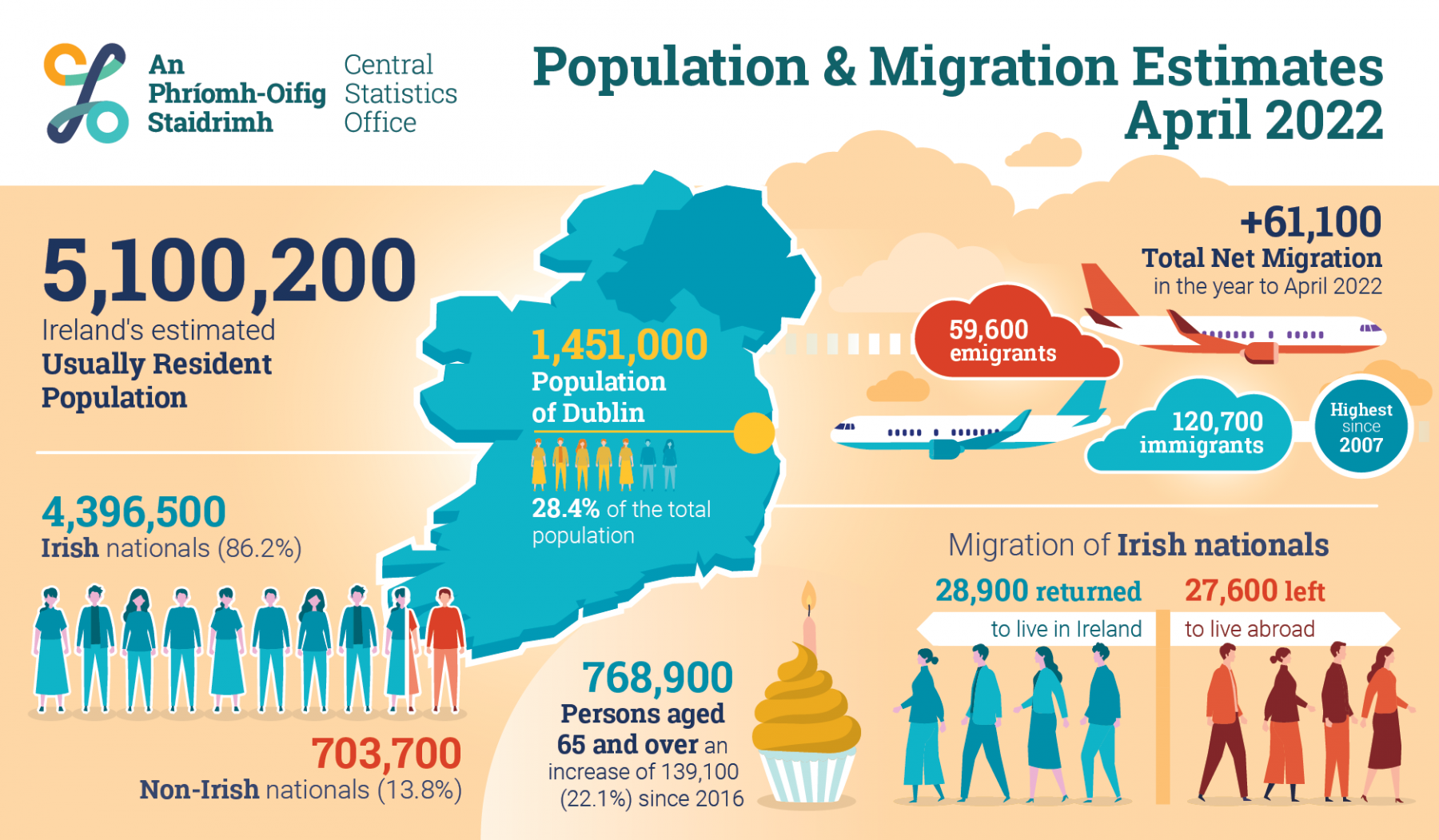
Ireland has one of the largest diasporas relative to its population of any country in the world. Centuries of emigration — driven by famine, poverty, political upheaval, and economic necessity — have created Irish communities in every corner of the globe, from Boston and New York to London, Sydney, and Buenos Aires. The Irish state has long cultivated its relationship with the diaspora, recognising the economic, cultural, and political value of a global network of people who identify with Ireland and who maintain connections to the country of their birth or ancestry.
The desire to return home is a powerful and persistent feature of the Irish emigrant experience. Many of those who left Ireland during the economic crises of the 1980s and the post-2008 period have spent decades abroad, building careers and families, but have always harboured the ambition of eventually returning. For others — particularly those who are ageing or who have experienced health difficulties — the desire to return is driven by a need for family support and familiar surroundings.
The housing crisis that has gripped Ireland for the past decade has created a significant barrier to return. The combination of a severe shortage of housing supply, rapidly rising rents, and a property market that is unaffordable for many workers has made it extremely difficult for returning emigrants to find accommodation. Those who have been abroad for many years may have limited savings in Irish terms, may not have a credit history that satisfies Irish lenders, and may not have the local connections that can help in navigating a tight rental market.
Key Developments
The Irish Diaspora Support Project, which provides practical assistance to returning emigrants, has reported that it assisted 1,500 individuals in the past year — a figure that represents a significant increase on previous years and that reflects the growing scale of the challenge facing those seeking to return. The organisation's caseworkers have described situations in which returning emigrants — including elderly people who had spent decades abroad and who were returning to be near family — arrived in Ireland to find that they had nowhere to live and no immediate prospect of finding accommodation.
"Without our work, she would have been homeless," a representative of the organisation said, describing the case of one returning emigrant who had been unable to secure accommodation despite months of searching. The representative described a pattern of cases in which returning emigrants, many of them with no recent Irish address history, were unable to access social housing lists, were rejected by private landlords who preferred tenants with established Irish references, and were unable to afford the upfront costs — deposits, first and last month's rent — required to secure private rental accommodation.
The organisation has called on the Government to develop a specific support scheme for returning emigrants, including a dedicated housing pathway that would give priority access to social housing for those returning after extended periods abroad. It has also called for changes to the rules governing access to social housing waiting lists, which currently require applicants to have a local connection to the area in which they are applying — a requirement that disadvantages returning emigrants who may not have lived in Ireland for many years.
Why It Matters
The situation facing returning Irish emigrants is a microcosm of the broader housing crisis, but it has a particular resonance given Ireland's relationship with its diaspora. The state has invested significantly in maintaining connections with the Irish abroad — through the Diaspora Unit in the Department of Foreign Affairs, through the Global Irish Network, and through a range of cultural and educational programmes — but the practical barriers to return that the housing crisis has created undermine the credibility of this engagement. It is difficult to celebrate the diaspora while simultaneously making it impossible for members of that diaspora to come home.
The issue also has a demographic dimension. Many of those seeking to return are elderly, having spent their working lives abroad and now wishing to spend their later years in Ireland. The failure to provide adequate support for their return means that Ireland is losing the opportunity to benefit from the skills, experience, and resources that these individuals could bring, and is failing in its duty of care to citizens who may be vulnerable and in need of support.
Local Impact
The impact of the returning emigrant housing crisis is felt most acutely in the areas to which emigrants are most likely to return — the counties of the west and north-west, including Mayo, Galway, Donegal, and Kerry, which have historically had the highest rates of emigration and which continue to attract significant numbers of returning emigrants. In these areas, the housing market is particularly tight, with limited rental stock and high demand from both local residents and returning emigrants. Local authorities in these counties have been working with the Irish Diaspora Support Project to develop local solutions, but the scale of the challenge exceeds the resources available at local level.
What's Next
The Irish Diaspora Support Project has submitted a detailed policy paper to the Department of Foreign Affairs and the Department of Housing, setting out its recommendations for a dedicated returning emigrant support scheme. The paper is expected to be considered as part of the Government's review of its diaspora strategy, which is currently underway. The Oireachtas Committee on the Diaspora has indicated it will be holding hearings on the issue of returning emigrant housing in the autumn, with the Irish Diaspora Support Project, local authorities, and housing advocacy groups all expected to be invited to give evidence.