Resident Doctors to Strike From Tomorrow as NHS Faces Easter Pressure
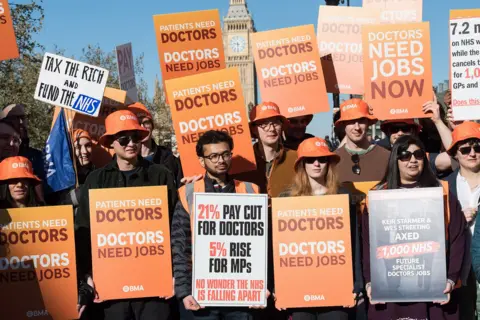
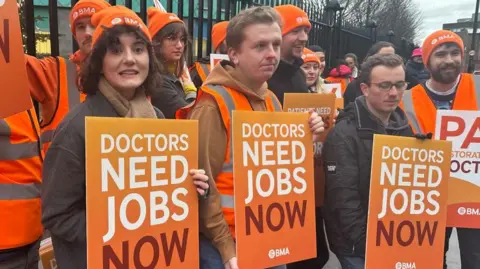
NHS resident doctors are set to begin a week-long strike from 7am tomorrow, 7 April, adding significant pressure to health services already stretched by the Easter bank holiday weekend — as negotiations between the British Medical Association and the government remain deadlocked.
The Strike Action
The industrial action, which runs from 7am on Tuesday 7 April to 7am on Monday 13 April, follows the BMA's Resident Doctors Committee rejection of a government pay offer on 25 March. The Department of Health and Social Care described the rejected deal as a "historic new deal" that would have offered more frequent and fairer pay rises and additional training places. The BMA's committee accused the Health Secretary of escalating the dispute.
NHS England chief executive Sir Jim Mackey has indicated that the health service will accelerate the design of clinical models less reliant on resident doctors, anticipating what he described as a "long slog" of industrial action over the coming year. NHS England has urged patients not to delay seeking medical help during the strikes, emphasising that hospital teams are working to minimise disruption.
Easter Pressures
The timing of the strike — beginning the day after Easter Monday — is particularly challenging for the NHS. GP practices and pharmacies have been operating on reduced hours over the bank holiday weekend, and A&E departments have been under significant pressure. Patients are being advised to use NHS 111 for urgent but non-life-threatening concerns, and to ensure they have sufficient repeat prescriptions to last through the disruption.
The latest NHS staff survey, published this week, revealed a three-year high in physical attacks on NHS staff, with almost one in seven (14.47%) reporting being physically attacked by patients or the public in the past year. A record percentage of staff also reported experiencing unwanted sexual behaviour.
Background
The dispute over resident doctors' pay has its roots in real-terms pay erosion of up to 25% since 2008. The BMA argues that the government's offers have not adequately addressed this gap, while the government contends that the NHS cannot afford the full restoration demanded. The strikes have already caused significant disruption to elective care, with the NHS waiting list standing at 7.25 million in April 2026.
Why It Matters
For patients across England, the strike means further delays to appointments and procedures at a time when waiting lists are already at historically high levels. For the NHS as an institution, the prolonged dispute raises fundamental questions about how to recruit and retain the doctors it needs for the future.
What's Next
Both sides have indicated a willingness to return to talks, but no new negotiations are currently scheduled. The government is expected to make a further statement on the dispute when the Dáil returns from recess. NHS England has published guidance for patients on accessing care during the strike at NHS England.