NHS Resident Doctors' Strike: What You Need to Know as 15th Walkout Disrupts Services
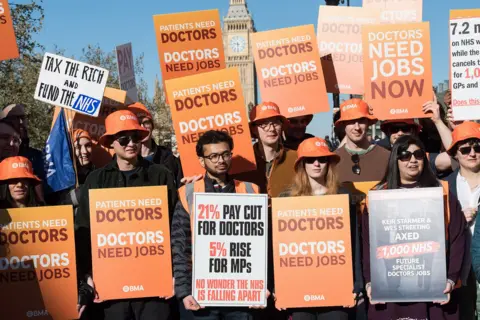
Resident doctors in England are in the midst of their 15th round of strike action since March 2023, with a six-day walkout running from 7 to 13 April 2026 causing significant disruption to NHS services and reigniting debate about whether the government should consider banning doctors from striking.
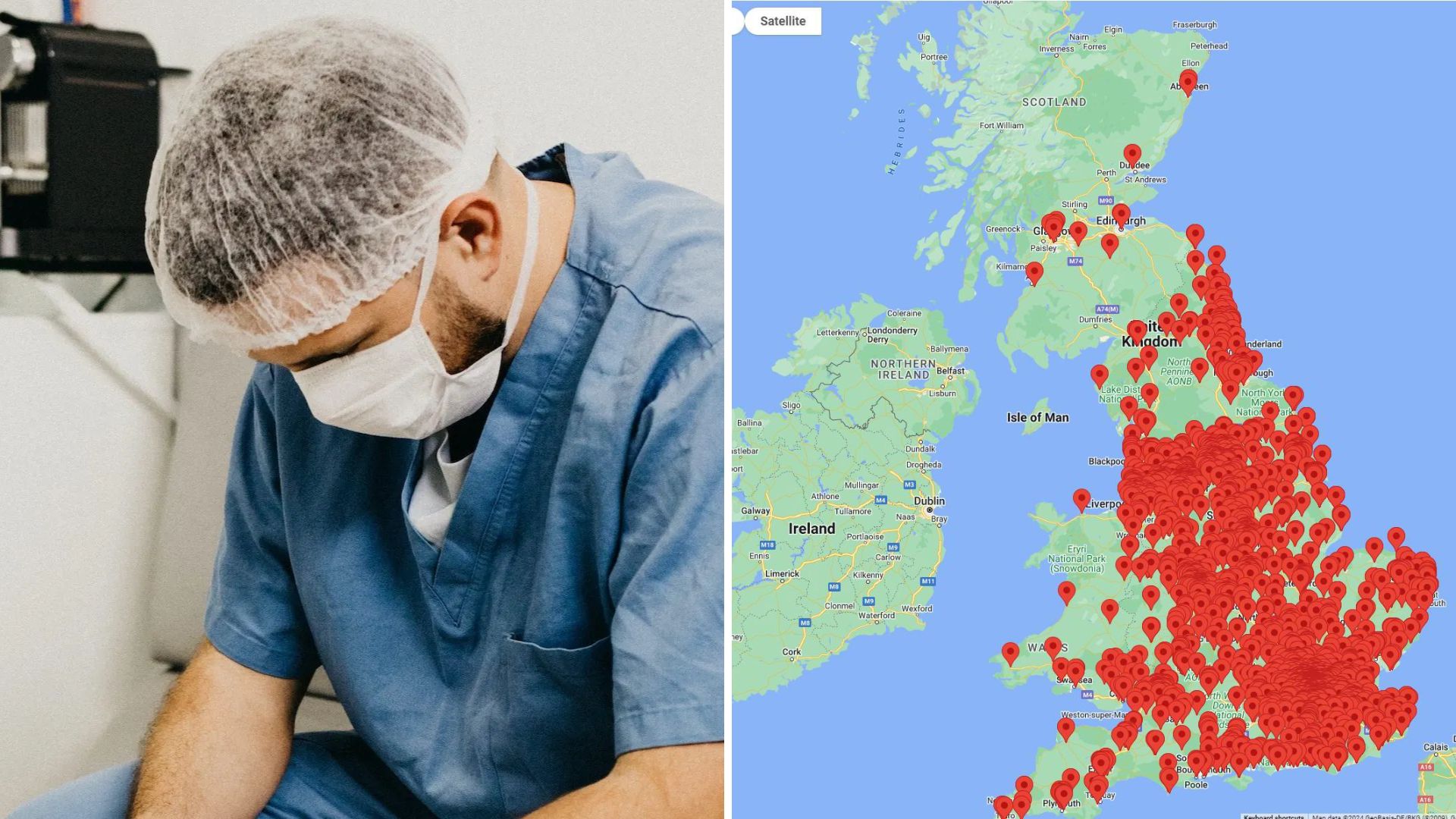
The industrial action, called by the British Medical Association (BMA), has already cost the NHS an estimated £3 billion in total since the dispute began. This latest round alone is expected to cost approximately £300 million in rescheduled operations and consultant cover.
Background
The dispute centres on pay. Resident doctors — formerly known as junior doctors — argue that their pay has been eroded by up to 25% in real terms since 2008, and they are demanding full restoration to 2008 levels, which would require a 26% increase. The BMA also wants measures to reduce competition for specialty training posts, where over 30,000 applicants competed for just 10,000 places in 2025.
Negotiations collapsed in March 2026 after the government offered an average basic pay rise of 4.9% for the current year, alongside a pledge to create 4,000 to 4,500 additional training posts over three years. The BMA rejected the offer, accusing the government of reducing the financial investment and stretching it over too many years.
Key Developments
Health Secretary Wes Streeting has not ruled out legislative action to restrict doctors' right to strike, a move that would be unprecedented in NHS history. He has accused the BMA of "torpedoing" pay rises and training posts for its own members and of putting the NHS recovery at risk.
The NHS is urging patients to attend scheduled appointments unless directly contacted for rescheduling. Emergency and life-saving care is being prioritised, with NHS England aiming to maintain around 95% of pre-planned activity. Patients are advised to use 999 for life-threatening emergencies and NHS 111 online for non-urgent health needs.
The BMA's mandate for industrial action runs until August 2026, meaning further monthly strikes are possible if a deal is not reached. Dr Jack Fletcher, chair of the BMA Resident Doctors Committee, has said the union remains willing to resume talks if a "genuinely credible offer" is provided.
Why It Matters
The strike is taking place against a backdrop of an NHS waiting list of 7.25 million patients for elective care. Each round of industrial action adds to the backlog and erodes public confidence in the health service. The prospect of a strike ban would mark a fundamental shift in the relationship between the government and NHS staff, with potentially far-reaching consequences for industrial relations across the public sector.
What's Next
The current strike ends on Monday 13 April at 6:59am. If no deal is reached, the BMA could announce further action within weeks. The government faces pressure from both sides: from the BMA to improve its offer, and from the public and NHS leadership to end the disruption. Full information for patients is available via NHS England.