NHS Resident Doctors Begin Six-Day Strike Over Pay and Training Posts
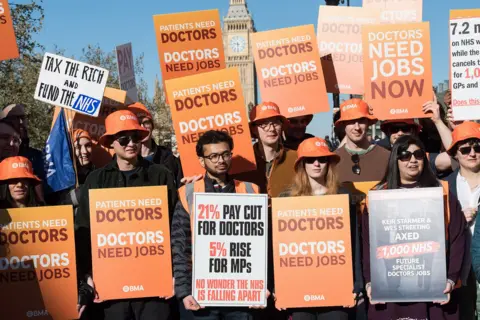
NHS resident doctors in England began a six-day strike on Tuesday 7 April, with industrial action running until Sunday 13 April, as the dispute over pay and training opportunities continues to put pressure on health services already stretched by record demand.
The NHS has urged patients across England not to delay seeking necessary medical care during the strike period, with hospital teams working to minimise disruption. The action comes at a particularly difficult time, with the Easter bank holiday weekend falling within the strike window and emergency departments facing heightened pressure.
Background
The dispute centres on pay restoration and the availability of training posts for junior doctors. Medical unions have rejected pay offers from the government, arguing that real-terms pay for resident doctors has fallen significantly over the past decade. Senior figures within the NHS have expressed frustration at the unions' stance, with some accusing the strike of being deliberately timed to cause maximum disruption over the Easter break.
The strike follows a period of significant pressure on NHS services. The latest NHS staff survey recorded a three-year high in physical attacks on staff, with almost one in seven (14.47%) reporting being physically attacked by a patient or member of the public in the past year. Waiting lists, however, have fallen to their lowest level in almost three years, with over 9 million A&E attendances recorded between November and February.
Key Developments
The Nuffield Trust has separately raised concerns about the rapid growth of pharmacist prescribers, warning that gaps in supervision, training, and planning could lead to unsafe or ineffective practices. Meanwhile, NHS England's chief data officer has pledged to expand the use of the Palantir-built Federated Data Platform across the health service, aiming for "maximum product penetration" in selected hospitals — a move that has drawn criticism from privacy advocates despite reported operational improvements.
On a more positive note, the NHS has announced that over 1.2 million people with cardiovascular disease are now eligible for Wegovy (semaglutide) on the NHS to help prevent heart attacks and strokes. GP teams are also delivering over 1.5 million appointments daily, the highest number on record.
Why It Matters
The resident doctors' strike is the latest chapter in a prolonged period of NHS industrial action that has cost the health service billions of pounds in cancelled appointments and procedures. For patients, particularly those with time-sensitive conditions, each day of strike action can have serious consequences. The timing over Easter, when staffing is already reduced, amplifies the risk.
What's Next
Talks between the government and medical unions are expected to resume after the Easter weekend. The government has signalled it will not significantly increase its pay offer, while unions have indicated they are prepared for further action if a satisfactory resolution is not reached. The dispute is likely to remain a major political flashpoint as the May local elections approach.