Reform UK's Surge Reshapes British Politics Ahead of May Elections
Nigel Farage's Reform UK has established itself as the dominant force in English politics, polling at 29% nationally and threatening to deliver a seismic shock to the established party system in the May 2026 local elections — a result that could fundamentally alter the trajectory of British politics for a generation.Background
Reform UK's rise is not a sudden phenomenon but the culmination of a decade-long realignment in British politics that began with the Brexit referendum in 2016. Farage, who led UKIP and then the Brexit Party before founding Reform, has consistently demonstrated an ability to mobilise voters who feel ignored by the mainstream parties. Reform's 2024 general election performance — winning five seats and over four million votes — was dismissed by some commentators as a protest vote. The polling of early 2026 suggests something more durable is underway.
The party's appeal cuts across traditional class and geographic lines. In the former industrial towns of the North and Midlands, Reform is drawing support from working-class voters who once formed Labour's core coalition. In rural England, it is consolidating the Conservative vote that collapsed in 2024. In coastal communities and market towns, it is presenting itself as the voice of communities left behind by globalisation and metropolitan liberalism. This breadth of appeal is what makes Reform qualitatively different from previous insurgent parties.
Farage has also benefited from a media environment that amplifies populist messaging and from a social media ecosystem that allows Reform to bypass traditional gatekeepers. The party's ability to generate viral content and mobilise online communities has given it a reach disproportionate to its organisational infrastructure.
Key Developments
The latest polling places Reform UK at 29% nationally, ahead of the Conservatives at 19% and Labour at 17.4%. In Wales, the party is polling neck and neck with Plaid Cymru, a development that would have been unthinkable two years ago. In London, analysts are warning of "big gains for Reform on the cards" in council elections, threatening Labour's control of several outer London boroughs.
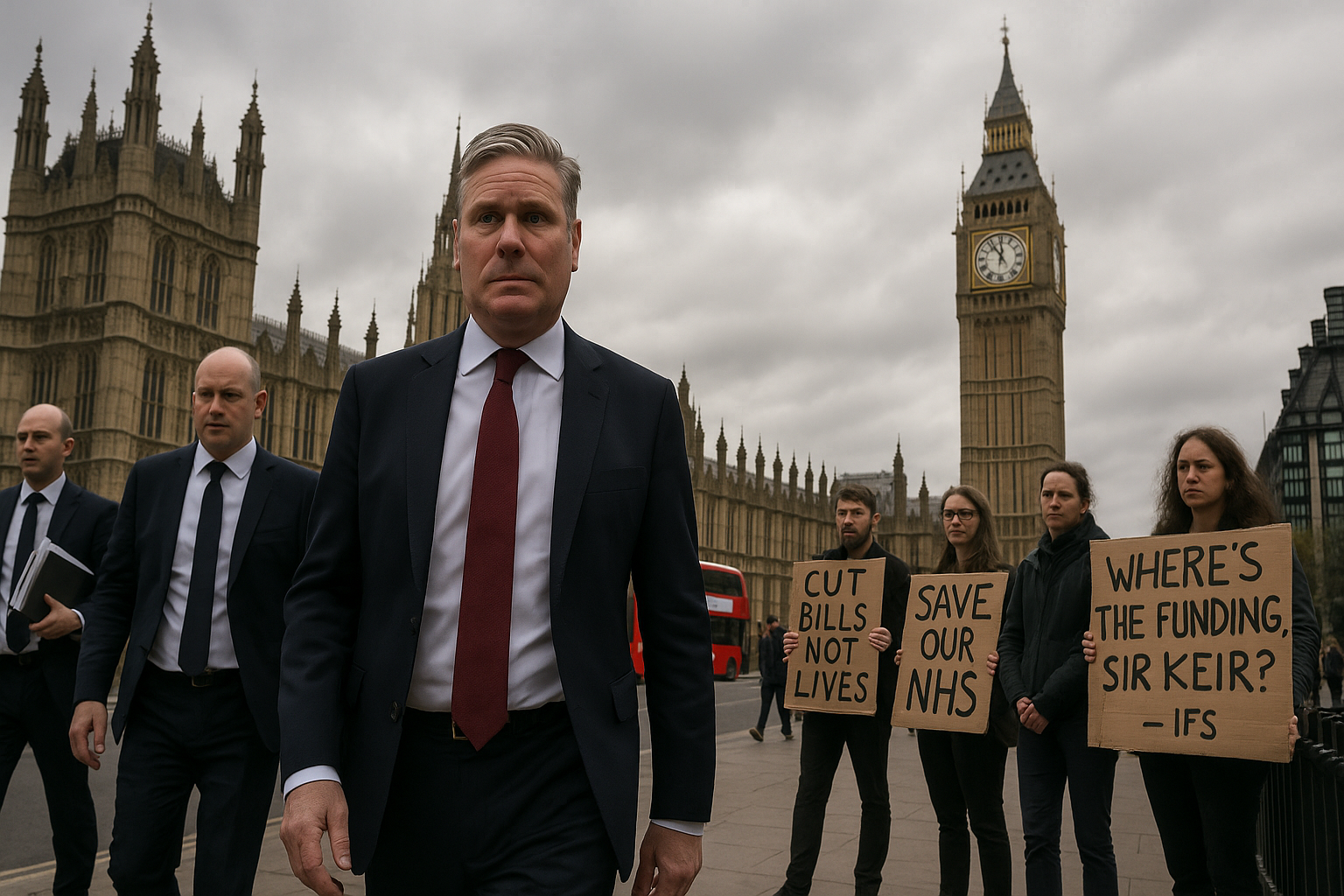
Prime Minister Keir Starmer has explicitly identified Reform as Labour's primary adversary, instructing his cabinet to "target 'divisive' Reform in 2026." Starmer has framed the choice as one between Labour "renewing the country" and a Reform party that he accuses of seeking to "inject bile into our communities." A Reform UK spokesman responded sharply, arguing that the Labour government has failed to control the cost of living, leading to soaring household bills, skyrocketing taxes, and stagnant economic growth — a message that is clearly resonating with a significant portion of the electorate.
The May 2026 local elections will see Reform contesting hundreds of council seats across England and Wales, with the party fielding its largest-ever slate of candidates. Internal Reform documents, reported by several outlets, suggest the party is targeting specific wards in former Labour heartlands in the North East, Yorkshire, and the West Midlands.
Why It Matters
Reform UK's rise represents the most significant realignment in British politics since the Brexit referendum. Unlike the Brexit Party, which was a single-issue vehicle, Reform has developed a broader policy platform covering immigration, energy, public services, and economic management. This gives it the potential to become a durable political force rather than a protest movement. For context, the last time a new party broke through at this scale in British politics was the SDP in the early 1980s — and even the SDP, despite winning millions of votes, failed to translate support into seats under the first-past-the-post system. Reform's challenge is to convert polling strength into council seats and, eventually, parliamentary representation. The May elections will be the first real test of whether its support is geographically concentrated enough to win seats under the current electoral system.
Local Impact
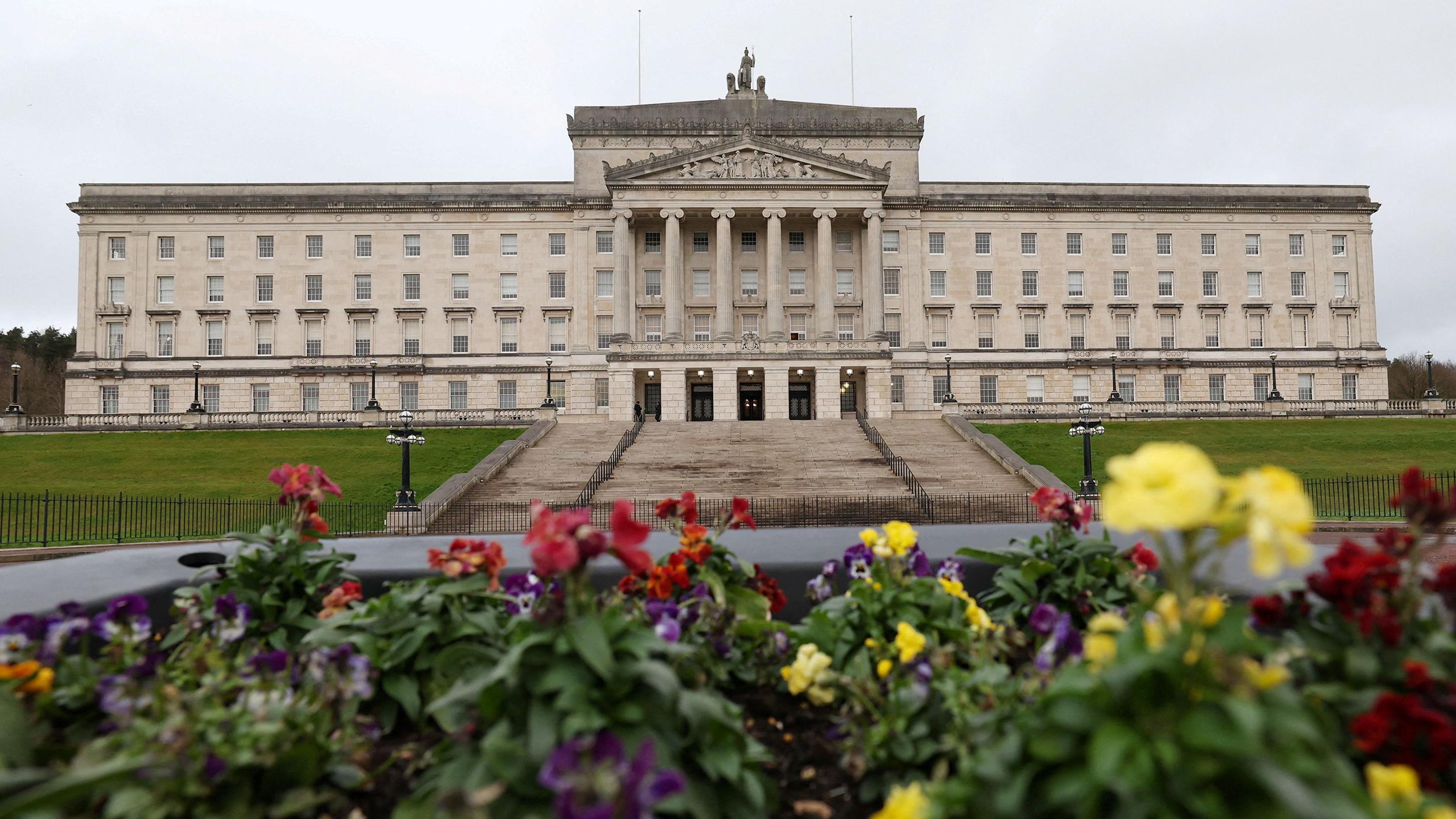
For communities across the UK, Reform's rise has practical implications beyond the abstract question of party politics. In Northern Ireland, where Reform has no significant presence, the party's success in England could shift Westminster's political centre of gravity in ways that affect the province's relationship with the rest of the UK. In Scotland, Reform's advance strengthens the SNP's argument for independence by demonstrating the divergence between Scottish and English political cultures. In English towns and cities where Reform is expected to make gains, the party's council candidates have pledged to cut spending on diversity and inclusion programmes, challenge planning decisions for renewable energy projects, and prioritise local residents in housing allocation — policies that will have direct consequences for local services.
What's Next
The May 7 local election results will be the defining moment for Reform UK's trajectory. A strong performance — particularly if the party wins control of any councils — will accelerate calls for electoral reform and intensify pressure on both Labour and the Conservatives to respond to the populist challenge. Watch for Reform's performance in the North East of England, where the party is targeting seats that Labour has held for decades, as the bellwether for the night.
Sources: BBC News — Starmer targets Reform UK, 2026; The Telegraph — Labour approval ratings, January 2026