First Minister O'Neill and Deputy First Minister Little-Pengelly United in Condemnation as Executive Faces Multiple Pressures
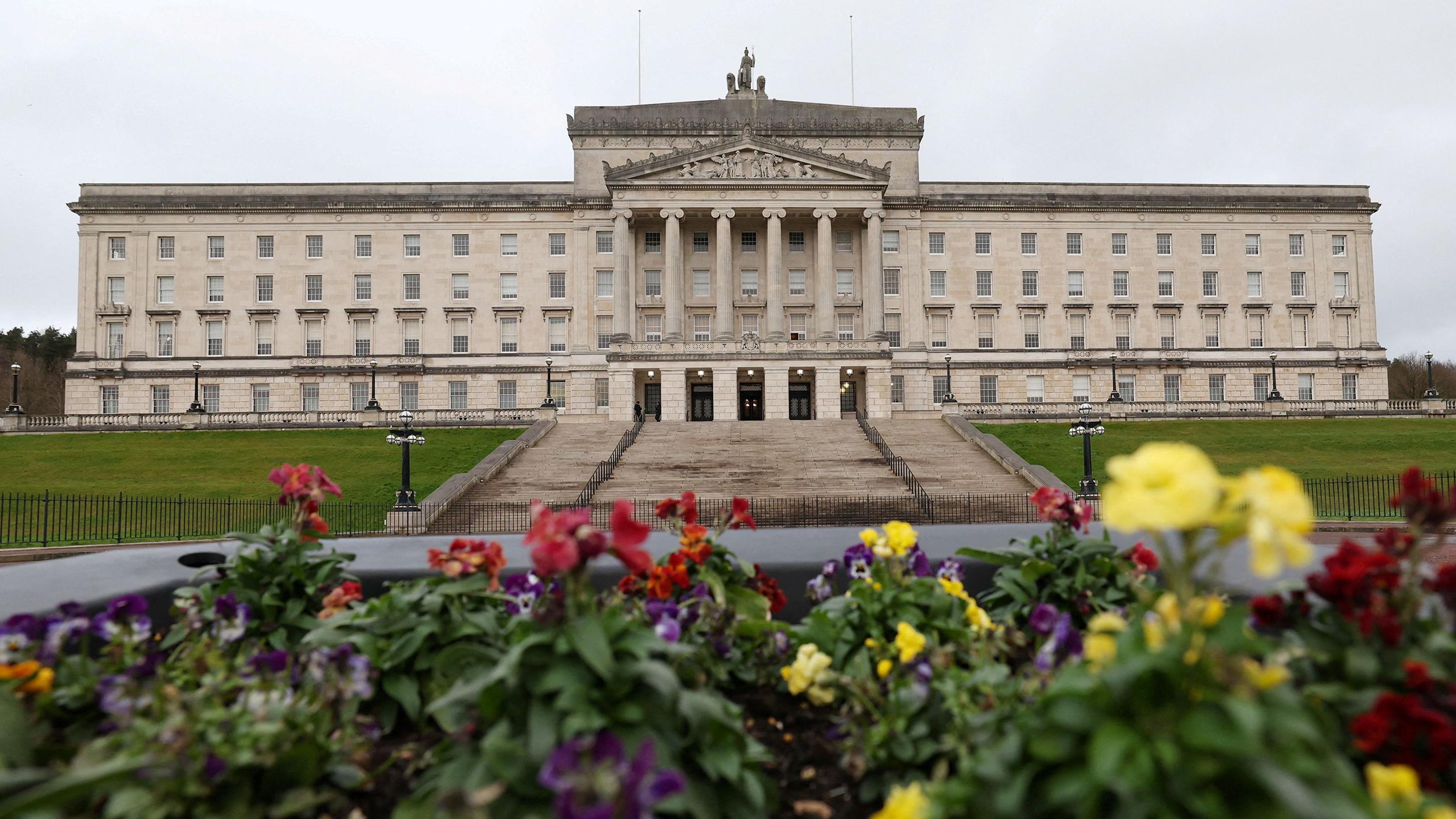
Northern Ireland's First Minister Michelle O'Neill and Deputy First Minister Emma Little-Pengelly issued a joint condemnation of Saturday night's car bomb attack at Dunmurry police station, presenting a united front that underscores the cross-community consensus against dissident republican violence — even as the Stormont Executive faces a demanding week with multiple policy pressures and the backdrop of Westminster's Mandelson controversy adding to the political noise.
Background
The power-sharing arrangements at Stormont, established under the Good Friday Agreement and its successor agreements, require the First Minister and Deputy First Minister to govern jointly — a constitutional design that forces the leaders of the two largest communities to work together regardless of their political differences. The current arrangement, with Sinn Féin's Michelle O'Neill as First Minister and the DUP's Emma Little-Pengelly as Deputy First Minister, represents the first time a nationalist has held the top position at Stormont, a milestone that was itself the product of years of political negotiation.
The joint condemnation of the Dunmurry attack is significant precisely because it comes from leaders who represent communities with very different historical relationships to political violence. Sinn Féin's condemnation of dissident republican attacks — consistent and unequivocal since the party's commitment to exclusively peaceful means — is a powerful signal to communities that might otherwise be susceptible to dissident recruitment. The DUP's condemnation reflects the unionist community's rejection of any return to the violence of the Troubles.
The Stormont Executive has been functioning since the restoration of power-sharing in February 2024, following a two-year collapse triggered by the DUP's withdrawal over the Northern Ireland Protocol. The institutions remain fragile, and any significant security incident — particularly one that generates political controversy — has the potential to destabilise the arrangements.
Key Developments
First Minister O'Neill and Deputy First Minister Little-Pengelly both condemned the Dunmurry attack in strong terms, emphasising that such violence has no place in society and no support within the community. DUP leader Gavin Robinson MP and Sinn Féin MP Paul Maskey also denounced the attack. Prime Minister Keir Starmer urged anyone with information to come forward, stating that those responsible would be brought to justice.
The Assembly is expected to address the attack at its sitting this week, with members from across the political spectrum likely to speak in condemnation. The PSNI's Terrorism Investigation Unit is leading the investigation, and the Deputy Chief Constable has indicated that the New IRA is the primary suspect. A drug seizure of approximately £4 million in Larne, following a joint PSNI and An Garda Síochána operation, provided a more positive security story alongside the Dunmurry attack.
The Westminster controversy over the Mandelson affair — which has dominated UK political coverage this week — has a particular resonance in Northern Ireland, where the relationship between London and Washington is of strategic importance to the peace process. Any damage to the UK-US relationship has potential implications for the American engagement in Northern Ireland that has been a feature of the peace process since the Clinton administration.
Why It Matters
The political response to the Dunmurry attack matters because it demonstrates the resilience of the cross-community consensus against violence that has been built over the past quarter-century. When the leaders of Sinn Féin and the DUP stand together to condemn a dissident republican attack, they are sending a message not just to the perpetrators but to the communities from which dissidents seek to recruit. That message — that violence is rejected across the political spectrum — is one of the most powerful tools available against dissident republicanism.
The Stormont Executive's ability to function effectively in the aftermath of a security incident is also a test of the institutions' maturity. Unlike the early years of power-sharing, when security incidents could trigger political crises, the current Executive has demonstrated a capacity to maintain normal business while responding to security challenges. This resilience is itself a form of political progress.
Local Impact
For residents of Belfast and across Northern Ireland, the political response to the Dunmurry attack provides some reassurance that the institutions are functioning and that political leaders are united in their rejection of violence. In communities like Twinbrook and Dunmurry — where the attack took place — the joint condemnation from O'Neill and Little-Pengelly is particularly important, demonstrating that the political establishment is not divided along sectarian lines in its response to dissident activity. The PSNI's appeal for information from the public reflects the importance of community cooperation in tackling dissident republicanism — cooperation that is more likely when political leaders are united in their condemnation.
What's Next
The Northern Ireland Assembly is expected to debate the Dunmurry attack at its sitting this week. The PSNI investigation is ongoing, and the Terrorism Investigation Unit is appealing for public information. Watch for any further security assessments of the New IRA's current capacity, which may be shared with the Assembly's Justice Committee. The Stormont Executive's programme for government — which includes significant commitments on health, education, and infrastructure — will continue to be the primary focus of the institutions' work, even as the security situation demands attention.
Sources: BBC News, Belfast Telegraph