Harris Signals Major Green Transition Support with One-Off Payments
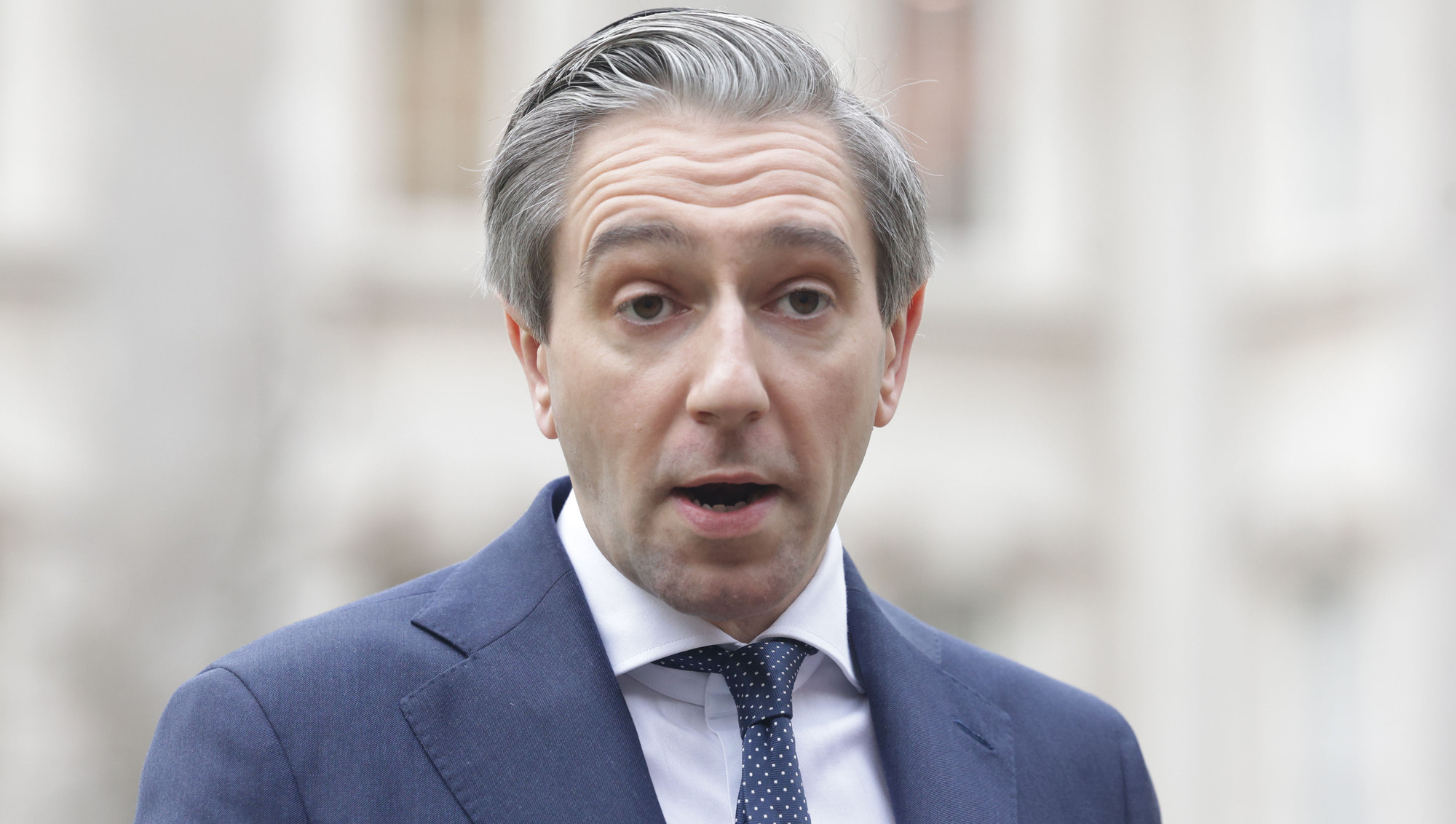
Taoiseach Simon Harris has signalled a significant shift in the government’s strategy to tackle the cost of living and climate change, suggesting that one-off payments could be introduced to help households switch to electric cars and environmentally friendly heating systems like heat pumps. The move, which would represent a major intervention in the green transition, is aimed at making sustainable choices more affordable for ordinary families.
Background
The proposal comes against a backdrop of soaring energy prices and increasing pressure on the government to provide further support to households struggling with the cost of living. While the government has implemented a series of temporary measures to alleviate the burden, there is a growing recognition that a more long-term strategy is needed to address the root causes of energy poverty and reduce Ireland’s reliance on volatile international fossil fuel markets. The Green Party, a key partner in the coalition government, has long advocated for more ambitious measures to incentivise the green transition, but progress has been hampered by concerns about the upfront costs for consumers.
The idea of direct financial support for green investments is not new, but the Taoiseach’s public endorsement gives it significant new momentum. The current system of grants and subsidies has been criticised for being overly complex and insufficient to bridge the significant price gap between green technologies and their fossil fuel-powered alternatives. For many families, the initial outlay for a heat pump or an electric car remains prohibitively expensive, even with existing supports. A one-off payment, potentially worth several thousand euros, could be a game-changer, making these technologies accessible to a much wider segment of the population.
Key Developments
Speaking at a meeting of the Youth of the European People's Party Council in Dublin, the Taoiseach stated that the transition to a green economy must be “fair” and that the government is actively exploring a range of options to support households. He has tasked officials in his department with developing proposals in collaboration with other government departments, with a view to announcing a concrete plan in the coming months. While no specific figures have been mentioned, the discussions are understood to be focused on a simple, upfront payment that would be easy to access and would provide a clear incentive for consumers.
The proposal has been broadly welcomed by environmental groups and industry bodies, who see it as a crucial step towards meeting Ireland’s ambitious climate targets. However, there are also questions about the potential cost to the exchequer and the need to ensure that the scheme is targeted at those who need it most. The Minister for Energy and Climate, Darragh O’Brien, has voiced his support for the initiative, emphasising that electrifying the country is a win-win for both the climate and household finances. He is also looking at new grants for businesses to improve their energy efficiency.
Why It Matters
This proposal is significant because it marks a potential shift from a piecemeal approach to a more comprehensive and ambitious strategy for the green transition. It acknowledges that simply penalising the use of fossil fuels through carbon taxes is not enough; the government must also actively support and incentivise the adoption of clean alternatives. If implemented effectively, the scheme could accelerate the decarbonisation of Ireland’s transport and residential heating sectors, two of the country’s biggest sources of greenhouse gas emissions. It could also provide a much-needed boost to the green economy, creating jobs in areas like renewable energy installation and retrofitting. More broadly, it sends a powerful signal that the government is serious about tackling climate change in a way that is socially just and does not leave ordinary families behind.
Local Impact
The impact of this policy would be felt in every community across Ireland and the UK. For families in Northern Ireland, who are also grappling with high energy costs, the move will be watched with keen interest. While energy policy is a devolved matter, a successful scheme in the Republic could increase pressure on the Northern Ireland Executive to introduce similar measures. The cross-border nature of the energy market means that a coordinated approach is essential. For businesses in the green technology sector, both north and south, the proposal represents a major opportunity. A surge in demand for heat pumps and electric cars would create a significant market for installers, suppliers, and maintenance providers, potentially leading to job creation and economic growth across the island.
What's Next
The Taoiseach’s announcement is the first step in what is likely to be a complex policy development process. Officials will now work on the details of the scheme, including the eligibility criteria, the value of the payments, and the funding mechanism. A formal announcement is expected in the autumn, potentially as part of the budget process. The government will also need to engage in a public information campaign to raise awareness of the scheme and to encourage uptake. The success of the initiative will ultimately depend on its design and implementation, but the Taoiseach’s personal backing has given it a powerful head start.
Attribution: The Irish Times, RTE