Paisley and Reform UK: A Controversial Alliance on the Campaign Trail
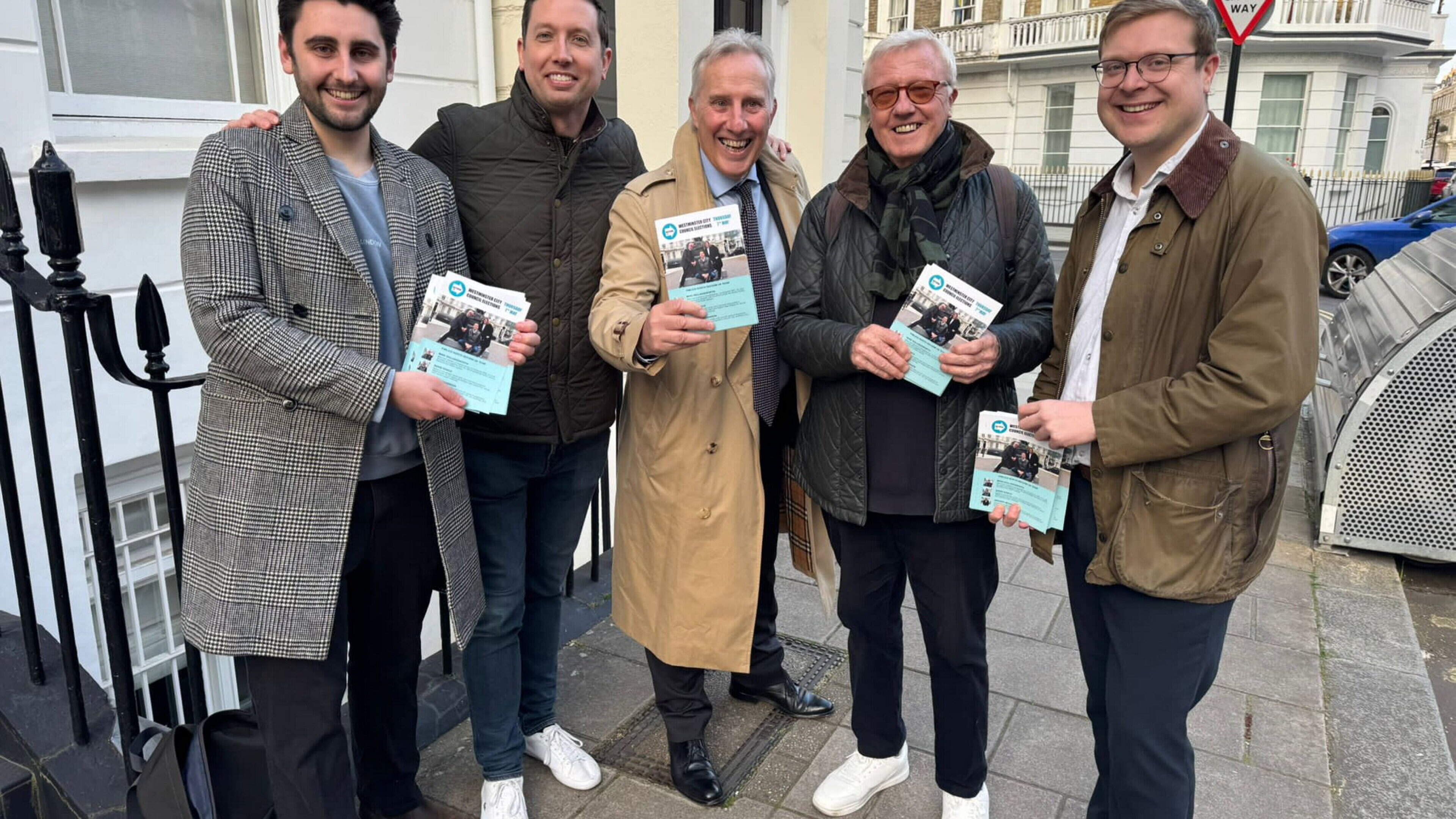
The Democratic Unionist Party’s Ian Paisley has been pictured canvassing in London alongside members of Reform UK, the right-wing populist party led by Richard Tice. The images, which have been widely circulated on social media, have sparked a furious political row, with critics accusing the North Antrim MP of endorsing a party that is in direct competition with the DUP’s sister party, the Traditional Unionist Voice (TUV).
Background
The relationship between the DUP and Reform UK has been a subject of speculation for some time. Both parties share a socially conservative, pro-Brexit agenda, and there is a significant overlap in their voter base. However, the DUP has always maintained a formal electoral pact with the TUV, led by Jim Allister, which is seen as a more hardline unionist party. The decision by a senior DUP figure like Ian Paisley to publicly campaign with Reform UK is therefore a highly significant and potentially damaging development for inter-unionist relations.
The context for this controversial move is the upcoming local elections in England, where Reform UK is hoping to make a breakthrough. The party is targeting traditional Conservative voters who are disillusioned with the government’s performance on issues like immigration and Brexit. By appearing alongside Reform UK candidates, Paisley is lending his considerable political profile to their cause, a move that will be seen as a major coup for the smaller party.
Key Developments
The photographs show Paisley smiling and chatting with Reform UK activists as they knock on doors in a London constituency. The images were initially shared on X (formerly Twitter) by a Reform UK account, before being picked up by political commentators and journalists. The DUP has so far refused to comment on the matter, but sources within the party have expressed their anger and frustration at Paisley’s actions. One senior DUP figure, speaking on condition of anonymity, described the move as a “slap in the face” to the TUV and a “gift” to the party’s political opponents.
The TUV has reacted with fury, with a spokesperson accusing Paisley of “betraying” the unionist cause. The party has called for an urgent meeting with the DUP leadership to seek clarification on their position. The controversy has also been seized upon by nationalist parties, who have used it to highlight the divisions within unionism. Sinn Féin’s Michelle O’Neill described the incident as a “sign of the growing desperation” within the DUP.
Why It Matters
This incident is more than just a minor political spat; it exposes the deep and growing fissures within the broader unionist movement. The DUP, once the undisputed leader of unionism, is facing a challenge from both the right and the centre. The rise of Reform UK in England has created a new and unpredictable dynamic, with the potential to split the pro-Union vote. Paisley’s decision to align himself with Reform UK, even in an informal capacity, will be seen by many as a sign that he believes the DUP’s traditional alliances are no longer fit for purpose. It also raises questions about the future direction of the DUP and its ability to maintain unity within the unionist family.
Local Impact
The fallout from this controversy will be felt most acutely in Northern Ireland. The already strained relationship between the DUP and the TUV is likely to deteriorate further, potentially leading to a breakdown in their electoral pact. This could have significant consequences in key constituencies, where a split in the unionist vote could hand victory to nationalist or Alliance Party candidates. The incident will also damage the DUP’s credibility in the eyes of many unionist voters, who will see it as a sign of a party that is in disarray. For the wider community, the infighting within unionism is a cause for concern, as it creates political instability and distracts from the pressing social and economic issues facing Northern Ireland.
What's Next
The immediate focus will be on the DUP’s response. The party leadership is under pressure to issue a clear and unequivocal statement condemning Paisley’s actions and reaffirming their commitment to the TUV pact. Failure to do so will be interpreted as a tacit endorsement of his move. The TUV, for its part, will be considering its options. A formal break with the DUP is a real possibility, a move that would have profound implications for the political landscape of Northern Ireland. The coming days will be a crucial test of leadership for all involved, with the future of unionist unity hanging in the balance.
Attribution: Belfast Telegraph, The News Letter