Reform UK Surges to 29% as Labour Faces Worst Polling Since Taking Office
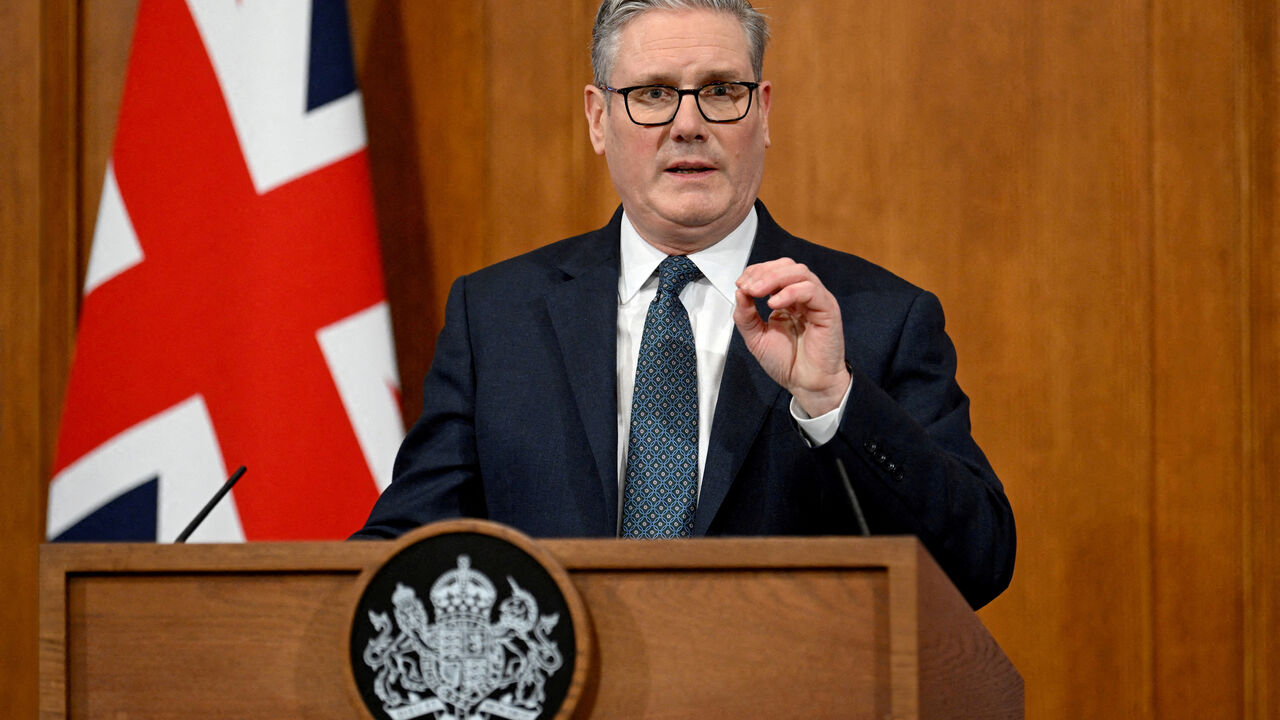
Reform UK has surged to 29% in the polls, overtaking both Labour and the Conservatives, as Prime Minister Keir Starmer's government records its lowest approval rating since taking office — with Labour's vote share collapsing to just 17.4% ahead of May's local elections.
The figures, drawn from a YouGov tracker, represent a seismic shift in British politics and have triggered significant anxiety within the Labour Party, with backbenchers privately warning that the government's cost of living reset may be too little, too late to stem the tide.
The Polling Picture
The latest data places Reform UK on 29%, the Conservatives on 19%, and Labour on 17.4% — a dramatic reversal from the landslide majority Labour secured at the 2024 general election. The government's net approval rating has fallen to -59, the lowest recorded since Mr Starmer took office in July 2024.
The collapse in Labour support has been particularly pronounced in the party's traditional heartlands. Projections indicate that Reform UK is poised for substantial gains in the North-East of England, West Yorkshire, and Greater Manchester — areas that were once considered safe Labour territory.
Internal Labour Tensions
The polling has fuelled considerable internal dissent within the Parliamentary Labour Party. A number of backbenchers have voiced anger over early policy decisions, including the removal of the winter fuel payment for most pensioners, and some MPs have privately speculated about a potential leadership challenge should the party suffer the expected heavy losses in May's local and devolved elections.
Senior figures within the party have acknowledged that the government's messaging has struggled to cut through, particularly on the economy, where the ongoing US-Israel conflict in the Middle East has complicated the narrative around falling energy bills and rising wages.
Reform UK's Rise
Nigel Farage's Reform UK has capitalised on widespread disillusionment with both main parties, positioning itself as the anti-establishment alternative on issues ranging from immigration and net zero to the cost of living. The party's rise has been particularly rapid since the start of 2026, with its support base expanding beyond its traditional voter pool into areas previously dominated by Labour.
Mr Starmer has directly confronted the Reform challenge, arguing that a vote for the party would jeopardise progress on household finances and accusing Mr Farage of being "utterly reckless" in his early support for US-Israeli military strikes against Iran.
Why It Matters
The polling represents the most significant threat to Labour's parliamentary majority since the 2024 election. If the current trends were replicated at a general election, Labour would face a catastrophic loss of seats. The May local elections will serve as a crucial barometer of whether the government's cost of living measures have begun to shift public opinion.
What's Next
Local elections across England, Wales, and Scotland are scheduled for May 2026. The results will be closely watched as an indicator of the government's standing with the electorate and could determine whether internal pressure on Mr Starmer's leadership intensifies. Full analysis of the polling data is available via The Guardian.