Reform UK Predicted to Win 2,260 Council Seats as Labour Faces Historic Local Election Losses
Polling experts are predicting a seismic shift in British local politics this May, with Reform UK forecast to win up to 2,260 council seats while Labour could suffer its worst local election defeat on record, losing close to 2,000 councillors.
The projections, based on national polling that places Reform UK at approximately 26% — ahead of Labour, the Conservatives, and the Greens — paint a stark picture for the governing party as it heads into the May elections covering councils in England and the devolved parliaments in Scotland and Wales.
Background
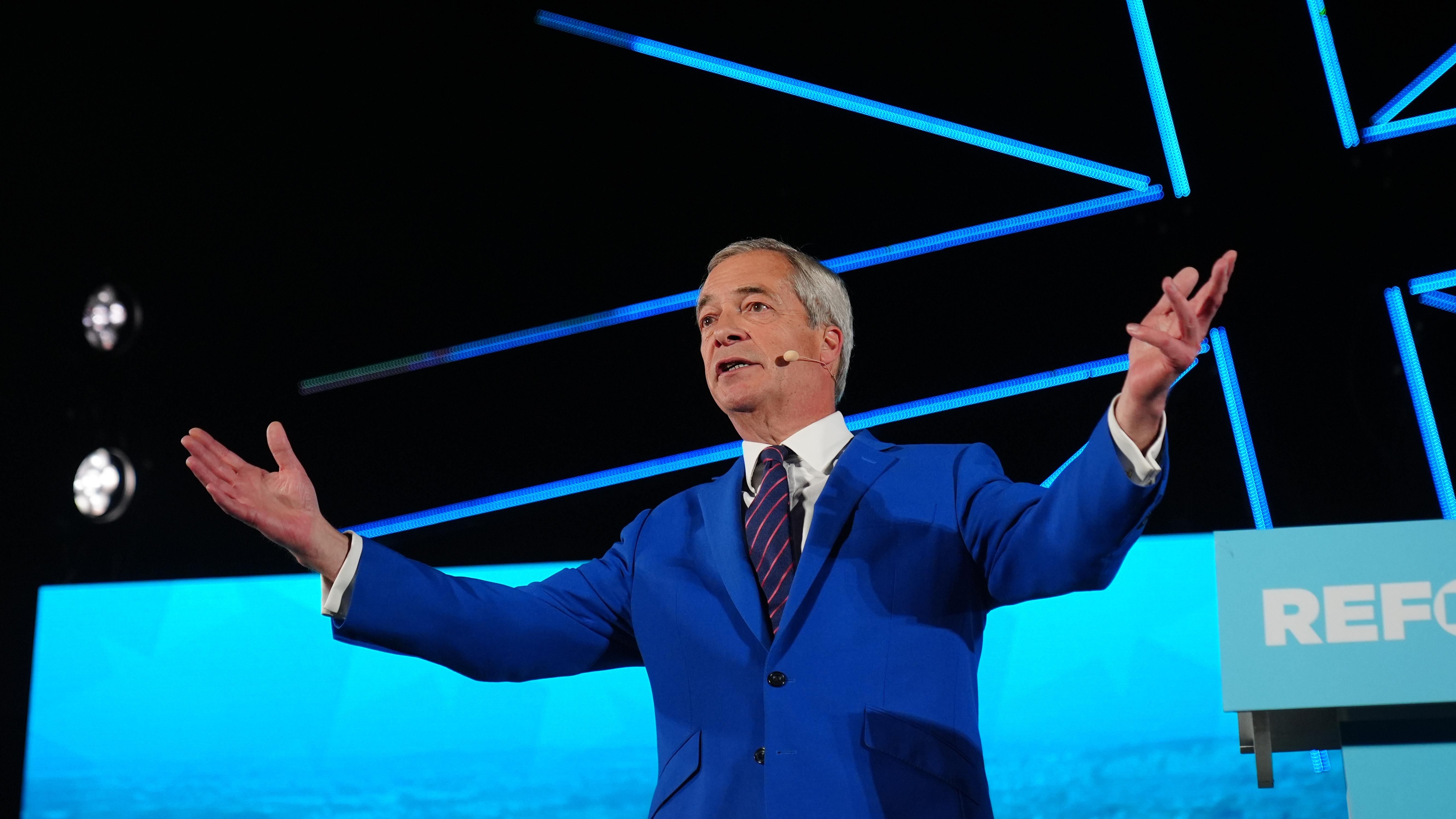
Reform UK, led by Nigel Farage, has been consistently leading in national polls since early 2026. The party gained eight MPs in the July 2024 general election and has since built a formidable grassroots operation. Farage has announced plans to hold around 35 rallies ahead of the May elections, targeting former Labour heartlands in areas such as Sunderland, South Tyneside, Norfolk, Suffolk, and suburban London boroughs.
Key Developments
A March 2026 Ipsos poll found that while Britons prefer a Labour government over a Reform UK government by an eight-point margin (40% to 32%), the public is more likely to expect Reform UK to form a majority government or be the largest party in a hung parliament (28%) than to expect a Labour majority (19%). Starmer's net favourability stands at -42, while Farage's is -29 — both deeply unpopular, but Labour's leader faring worse.
Reform UK is also polling in second place in Scotland and is vying for first place in the Senedd in Wales, where a new, more proportional electoral system could deliver significant gains. The Conservatives are also expected to suffer losses of over 1,000 seats, while the Green Party is projected to gain around 450 seats.
Why It Matters
The May elections represent the first major electoral test since Labour's 2024 landslide. A poor performance — particularly if Labour loses control of councils in traditional heartlands — could trigger a leadership crisis and intensify internal party pressure on Starmer. For Reform UK, strong results would cement its status as the primary opposition force in British politics and provide a springboard for the next general election.
What's Next
Starmer has gone on the offensive, framing Reform UK as a "divisive" force that feeds on "grievance, decline and division." He has also attacked the party's foreign policy stances, particularly its alleged desire to "appease Putin," as "utterly reckless." Whether this messaging resonates with voters in former Labour strongholds will be one of the defining questions of the May campaign.
Full polling analysis is available via BBC News.