PTSB Shareholders Vote on €1.62 Billion Bawag Takeover as Bank Reports 34% Profit Jump
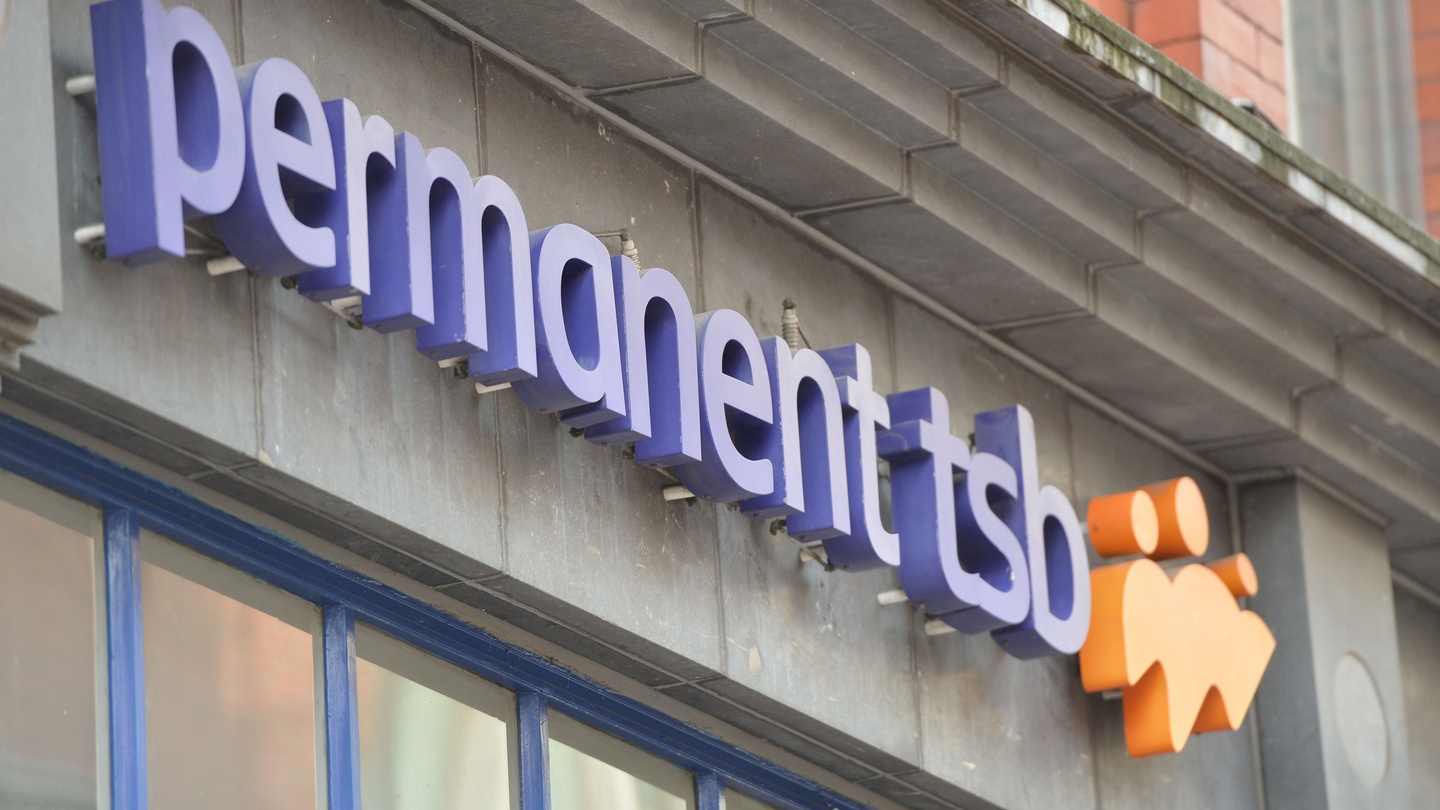
Permanent TSB shareholders are voting on Wednesday on a €1.62 billion takeover offer from the Austrian banking group Bawag, in a transaction that requires 75 per cent approval from voting shareholders and in which the Irish government's 57.4 per cent stake makes it the decisive voice. The vote comes as PTSB reported a 34 per cent increase in underlying pre-tax profit to €68 million for the first half of 2026, driven by loan growth and improved net interest margins — a strong performance that has led some minority shareholders to argue that the bank is being sold at a discount to its true value.
Background
Permanent TSB has had one of the most turbulent histories of any Irish financial institution, having required a state bailout during the financial crisis of 2008-2012 and spending the subsequent decade working through a legacy of tracker mortgage overcharging and non-performing loans. The Irish government's stake in the bank, which peaked at over 75 per cent following the bailout, has been gradually reduced over the years as the bank returned to profitability and the state sought to recoup its investment.
The Bawag takeover offer, which values PTSB at approximately €1.62 billion, was announced in October 2025 following a competitive process led by Goldman Sachs that involved over 100 contacted parties. Bawag, an Austrian banking group with a strong track record in retail banking across Central Europe, has indicated that it has sufficient excess capital to self-fund the acquisition and has outlined plans to maintain PTSB's brand and operations in Ireland.
The offer has been controversial from the outset. At €2.97 per share, it values PTSB at approximately a 20 per cent discount to its net assets as of the end of 2025, a figure that critics — including the proxy advisory firm Glass Lewis and several minority shareholders — have argued is too low given the bank's improving performance and the strong performance of European banking stocks since the sale process began. The proxy advisory firm ISS, by contrast, recommended supporting the deal, characterising it as a reasonable outcome of a competitive process.
Key Developments
The extraordinary general meeting at which shareholders are voting on the scheme of arrangement requires 75 per cent approval from voting shareholders. The government, which holds 57.4 per cent of the bank, has confirmed that it will vote in favour of the deal, making its passage likely but not certain given the opposition from some minority shareholders. Specific resistance has come from Sretaw, an investment vehicle owned by Eamon Waters holding approximately 7 per cent of the bank, and Samson Rock Capital, a hedge fund holding approximately 3.1 per cent, which has reportedly encouraged other investors to reject the deal.
A group of shareholders led by Piotr Skoczylas sought to challenge the process in the High Court, specifically regarding the classification of the government's shareholding, but the court permitted the EGM to proceed as scheduled. PTSB's board has maintained that the Bawag offer represents the best available value following the extensive global search for buyers, and has urged shareholders to support the deal.
Why It Matters
The PTSB takeover vote is significant for several reasons. It represents the final chapter in the Irish state's involvement in the banking sector following the financial crisis, completing a process of divestment that has seen the government exit its stakes in AIB and Bank of Ireland over the past decade. The sale of PTSB to an Austrian banking group also raises questions about the future of Irish-owned retail banking, with the country's main retail banks now all in foreign ownership. For PTSB's customers — predominantly mortgage holders and retail depositors — the key question is whether the change of ownership will affect the quality and cost of the services they receive. Bawag has given assurances on this point, but the proof will be in the implementation. The bank's strong first-half performance, with a 34 per cent jump in underlying profit, suggests that it is in good shape to navigate the transition.
Local Impact
PTSB has a significant presence across Ireland, with branches in Dublin, Cork, Galway, Limerick, and many other towns and cities. The bank's mortgage book is heavily concentrated in the Irish residential market, and its customers will be watching the outcome of the vote and the subsequent integration process closely. The bank's staff, who number approximately 2,500, have been given assurances about their employment, but the integration of any acquisition inevitably raises questions about the long-term structure of the combined organisation. The Irish Banking Culture Board and the Central Bank of Ireland will be monitoring the transition closely to ensure that customer interests are protected throughout the process.
What's Next
If the scheme of arrangement is approved by shareholders at Wednesday's EGM, it will then require High Court sanction before it can be implemented. The court hearing is expected to take place within a few weeks of the shareholder vote, and the transaction is expected to complete before the end of 2026. Bawag has indicated that it will maintain the PTSB brand in Ireland and will operate the bank as a standalone entity within the Bawag group. The integration process is expected to take several years, with the full benefits of the combination — in terms of cost savings and revenue synergies — expected to be realised by 2028.