PSNI Receives £4 Million Emergency Funding After North Belfast Riots but Structural Deficit Remains
The Police Service of Northern Ireland has received a one-off emergency payment of £4 million from the UK government to cover the exceptional costs incurred during several days of violent civil disorder that erupted in north Belfast following a knife attack in June 2026. While the funding provides some immediate relief, senior PSNI officers have been unequivocal that it does not address the force's deep structural funding deficit — a deficit that has driven officer numbers to record lows and left the service's long-term recovery plan effectively stalled.
Background
The PSNI has been operating under severe financial pressure for a number of years, a situation that has been compounded by the political instability at Stormont and the resulting uncertainty over the Northern Ireland Executive's budget. The force has seen officer numbers fall to their lowest levels in decades, with recruitment unable to keep pace with retirements and departures. The PSNI's recovery plan, which was designed to rebuild officer numbers and restore service capacity, has been repeatedly delayed by the absence of a sustainable long-term funding settlement.
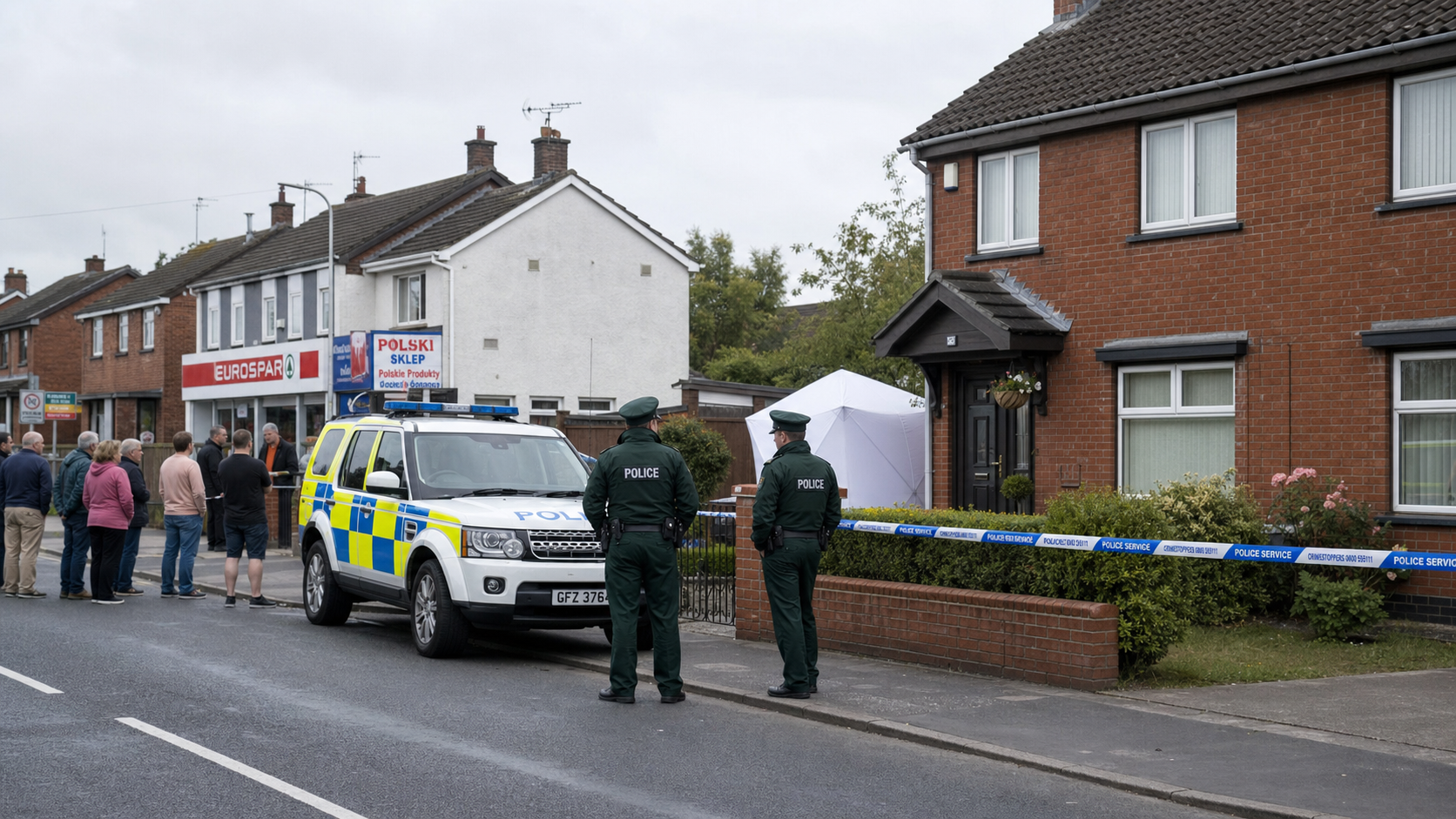
The riots that erupted in north Belfast in June 2026 followed a knife attack in the area that sparked a period of violent disorder lasting several days. The disturbances required the PSNI to deploy large numbers of officers, use specialist public order equipment, and maintain an elevated operational posture for an extended period — all of which generated significant costs above and beyond the force's normal operational budget.
The riots also placed enormous pressure on individual officers, many of whom worked extended shifts in difficult and dangerous conditions. The PSNI's welfare and occupational health services were stretched by the demands of the disorder, adding to the human cost of an already challenging operational environment.
Key Developments
BBC News NI reported that the £4 million emergency payment was agreed in June 2026, covering the extraordinary costs directly attributable to the riots. The funding was provided by the UK government through the Northern Ireland Office, reflecting the exceptional nature of the expenditure and the recognition that the PSNI could not absorb these costs within its existing budget without further damaging its operational capacity.
However, PSNI leadership has been careful to contextualise the emergency payment within the broader picture of the force's financial situation. The £4 million covers the riot-related costs but does nothing to address the underlying structural deficit that has been building for years. That deficit — the gap between what the PSNI needs to operate effectively and what it actually receives — has been the subject of repeated representations to the UK government and the Stormont Executive, without a satisfactory resolution.
The force's recovery plan, which was designed to increase officer numbers and restore service capacity across Northern Ireland, remains dependent on a funding settlement that has not materialised. Without that settlement, the PSNI faces the prospect of continued decline in officer numbers, reduced response capacity, and an inability to invest in the training, equipment, and infrastructure that modern policing requires.
Why It Matters
The PSNI's funding crisis matters because policing is a foundational public service, and the consequences of under-resourcing it are felt directly by communities across Northern Ireland. Longer response times, reduced community policing capacity, and an inability to investigate crimes thoroughly are the practical consequences of a force that is stretched beyond its means.
The riots in north Belfast demonstrated in stark terms what can happen when community tensions are not managed effectively and when the police service lacks the resources to respond quickly and decisively to disorder. The £4 million emergency payment addresses the immediate financial consequences of those riots, but it does not address the conditions that made the disorder possible or the structural weaknesses in the PSNI that limited its ability to prevent and contain it.
Northern Ireland's policing situation is also unique in the UK context. The PSNI operates in an environment shaped by the legacy of the Troubles, the requirements of the Good Friday Agreement, and the ongoing challenges of community relations in a divided society. These factors create demands on the service that are not replicated elsewhere in the UK, and they make the case for adequate and sustained funding particularly compelling.
Local Impact
In north Belfast, where the riots occurred, the impact of the disorder on communities was significant. Businesses were damaged, residents were frightened, and the sense of security that most people take for granted was disrupted for several days. The PSNI's response to the riots, while ultimately effective in restoring order, was complicated by the resource constraints under which the force operates.
For communities across Northern Ireland more broadly, the PSNI's funding crisis has practical consequences that are felt in everyday policing. Response times to non-emergency calls have increased, community policing teams have been reduced, and the capacity to investigate volume crime — burglaries, vehicle crime, antisocial behaviour — has been diminished. These are not abstract concerns but real impacts on the quality of life of people in every part of Northern Ireland.
The PSNI's district policing partnerships, which bring together police and community representatives to discuss local policing priorities, have been among the forums where the consequences of under-resourcing have been most clearly articulated. Community representatives in areas from Derry to Newry and from Antrim to Armagh have raised concerns about the impact of reduced police capacity on their areas.
What's Next
The PSNI and the Northern Ireland Executive are expected to continue their engagement with the UK government on the question of long-term policing funding. The Hillsborough Castle talks that took place in early July, which brought together Stormont party leaders and UK government ministers to discuss the Executive's broader financial pressures, included policing as one of the key areas of concern.
Northern Ireland Secretary Hilary Benn has indicated that a new programme of work will be undertaken to assess the region's funding needs comprehensively, including policing. However, the timeline for that assessment and the prospect of a meaningful funding increase remain uncertain.
In the meantime, the PSNI will continue to manage its resources as effectively as possible within existing constraints, prioritising the most serious crimes and public order situations while acknowledging that its capacity to deliver the full range of policing services that communities expect is limited. The force's recovery plan remains on hold, pending the funding settlement that its leadership regards as essential to the service's long-term sustainability.