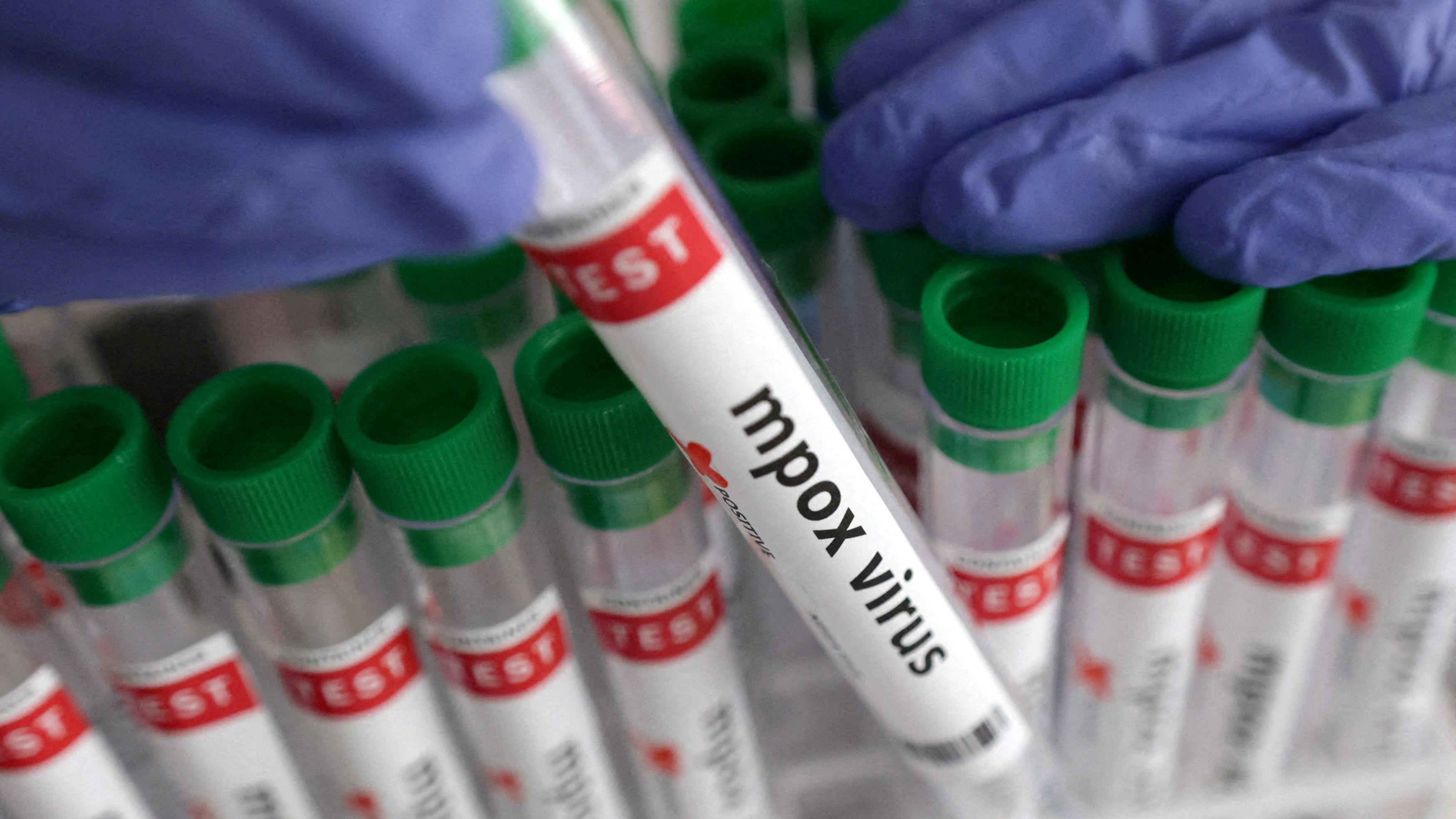
Northern Ireland Records Significant Rise in Mpox Cases as Public Health Agency Issues Guidance
The Public Health Agency of Northern Ireland has confirmed a significant increase in mpox cases across the region, with 21 cases of the clade Ib strain of the virus identified in June 2026 alone — a figure that represents a notable rise compared to previous surveillance periods and has prompted renewed public health messaging from health officials. The PHA is advising those at risk to be aware of symptoms and to seek medical advice promptly if they develop any signs of the infection.
Background
Mpox, formerly known as monkeypox, is a viral infection caused by the monkeypox virus, a member of the same family as the smallpox virus. The disease was first identified in humans in 1970 and has historically been endemic in parts of central and west Africa. It gained significant international attention in 2022 when a global outbreak occurred, affecting countries across Europe, North America, and beyond, including Ireland and Northern Ireland.
The clade Ib strain of the virus, which is the variant identified in the current Northern Ireland cases, is one of two main clades of the monkeypox virus. Clade I viruses have historically been associated with more severe disease than clade II viruses, which were responsible for the 2022 global outbreak. The identification of clade Ib cases in Northern Ireland is therefore a matter of particular public health concern, warranting close monitoring and a proactive public health response.
The Public Health Agency of Northern Ireland is the statutory body responsible for health protection, health improvement, and health and social wellbeing improvement across the region. It works closely with the UK Health Security Agency and the European Centre for Disease Prevention and Control to monitor infectious disease trends and coordinate public health responses.
Key Developments
BBC News reported on July 15 that the PHA had identified 21 cases of the clade Ib strain in June 2026, a figure that represents a significant rise compared to previous surveillance periods. The agency has responded by issuing updated public health guidance, advising those who may be at risk to be aware of the symptoms of mpox and to seek medical advice promptly if they develop any signs of the infection.
Mpox symptoms typically include fever, headache, muscle aches, swollen lymph nodes, and a distinctive rash that can appear on the face, hands, feet, chest, genitals, or anus. The rash progresses through several stages, from flat spots to raised bumps, blisters, and scabs, before healing. The incubation period is typically between five and 21 days, and the infection is usually self-limiting, resolving within two to four weeks in most cases.
The PHA has emphasised that mpox is not a highly contagious infection in the way that respiratory viruses are, and that transmission typically requires close physical contact with an infected person or their bodily fluids. However, the agency has urged anyone who develops symptoms consistent with mpox to contact their GP or sexual health clinic rather than attending an emergency department, to minimise the risk of onward transmission.
Why It Matters
The rise in mpox cases in Northern Ireland matters because it represents a public health challenge that requires a coordinated and evidence-based response. The identification of 21 cases of the clade Ib strain in a single month is a significant development that warrants close monitoring and proactive public health action.
The clade Ib strain's association with more severe disease than the clade II strain that caused the 2022 global outbreak makes the current situation particularly important to manage carefully. While the overall risk to the general population remains low, the PHA's proactive approach to issuing guidance and raising awareness is appropriate given the characteristics of the strain involved.
Northern Ireland's health service, which is already under significant pressure from waiting lists, A&E overcrowding, and workforce shortages, has limited capacity to absorb additional demand from an infectious disease outbreak. The PHA's emphasis on directing people to GPs and sexual health clinics rather than emergency departments reflects an awareness of the need to manage the impact on an already stretched system.
Local Impact
Across Northern Ireland, the PHA's guidance on mpox has been disseminated through GP practices, sexual health clinics, and community health organisations. The agency has worked with the five health and social care trusts to ensure that clinical staff are aware of the current situation and are equipped to identify and manage cases appropriately.
Sexual health services in Belfast, Derry, and other urban centres have been among the primary points of contact for people seeking advice about mpox, and these services have been provided with updated guidance and testing protocols. The PHA has also engaged with community organisations that work with populations at higher risk of mpox transmission to ensure that accurate information is reaching those who need it most.
The development coincides with the publication of updated emergency care statistics by the Northern Ireland Department of Health, which provide a detailed picture of the pressures facing the region's hospitals, and the launch of a revised Code of Practice for the Mental Health (Northern Ireland) Order 1986, which provides updated guidance for professionals working with patients subject to mental health legislation.
What's Next
The PHA will continue to monitor mpox case numbers closely and will update its public health guidance as the situation evolves. The agency is working with the UK Health Security Agency to ensure that Northern Ireland's response is aligned with the broader UK approach to managing the current increase in cases.
Vaccination against mpox is available for those at highest risk, and the PHA has indicated that it will review the current vaccination programme in light of the increase in cases. Those who believe they may be at risk are encouraged to contact their GP or sexual health clinic to discuss whether vaccination is appropriate for them.
The PHA has also indicated that it will publish regular updates on the mpox situation in Northern Ireland, providing the public and healthcare professionals with the information they need to respond appropriately. The agency's next surveillance report is expected to provide a more detailed picture of the epidemiology of the current cases, including information on transmission patterns and the characteristics of those affected.