PSNI Makes 31 Arrests and 23 Charges as Belfast Disorder Investigation Enters New Phase
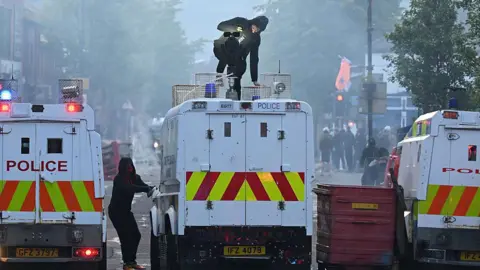
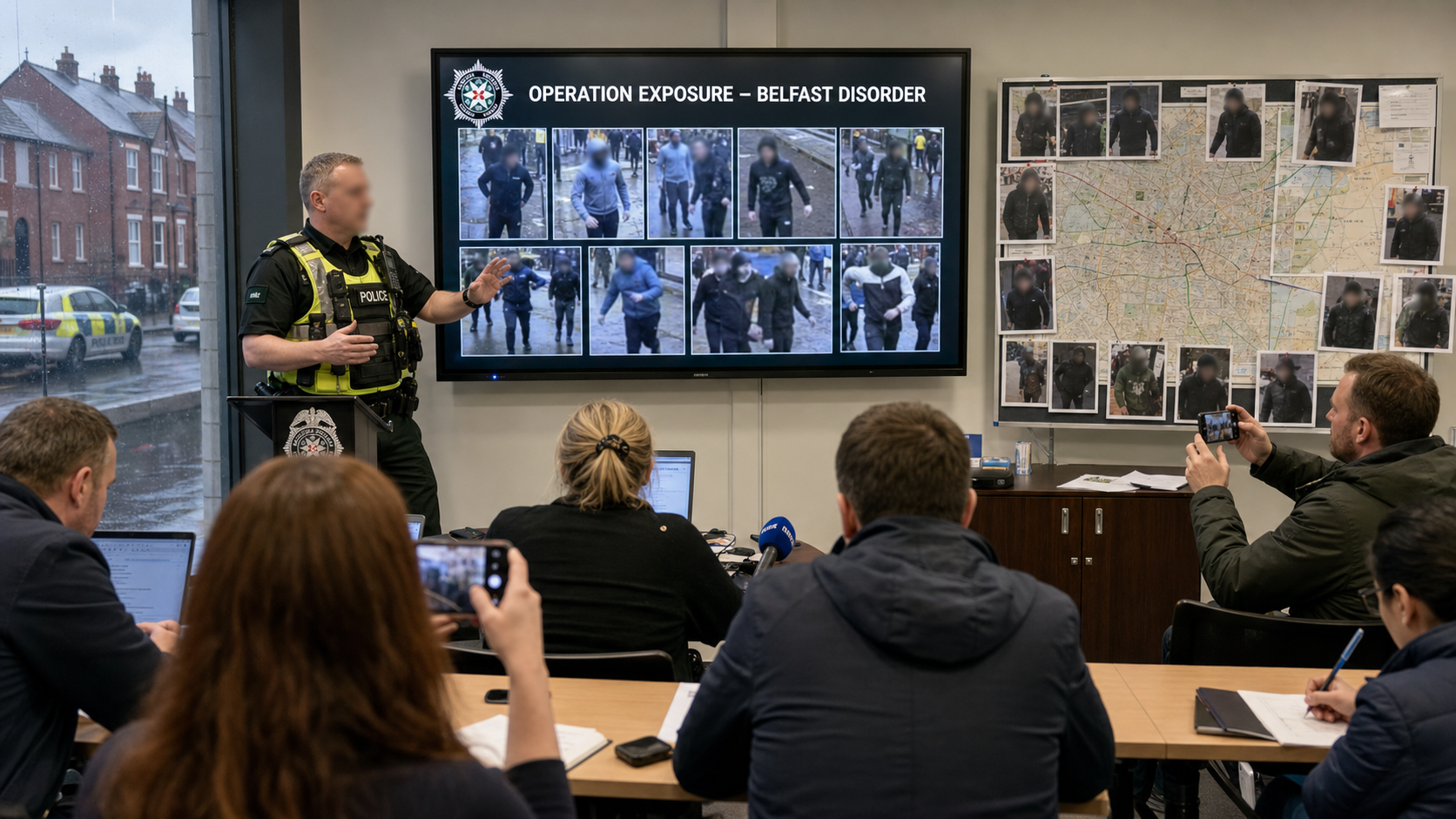
The PSNI has confirmed 31 arrests and 23 charges in connection with the anti-immigrant disorder that swept Belfast, Newtownabbey, Ballyclare, Portadown, and Derry following a knife attack in north Belfast on 8 June, with Assistant Chief Constable Bobby Singleton warning that online incitement continues to pose a significant risk and that the investigation is now focused on identifying those who organised and directed the violence.
Background
The disorder that erupted across Northern Ireland in the days following the 8 June knife attack on Stephen Ogilvie in north Belfast represents the most serious outbreak of civil unrest the region has experienced in several years. The attack, in which Ogilvie suffered severe injuries including the loss of his left eye, was carried out by Hadi Alodid, a 30-year-old Sudanese national who had been granted refugee status in the United Kingdom. Within hours of the attack becoming public knowledge, online networks began circulating inflammatory content that rapidly escalated into organised disorder.
The violence that followed was not spontaneous. PSNI analysis of the disorder has identified a pattern of coordination through encrypted messaging applications and social media platforms, with specific locations and times being communicated to participants in advance. This distinguishes the Belfast disorder from the kind of spontaneous community unrest that has historically characterised periods of tension in the city, and it has significant implications for how the investigation is being conducted.
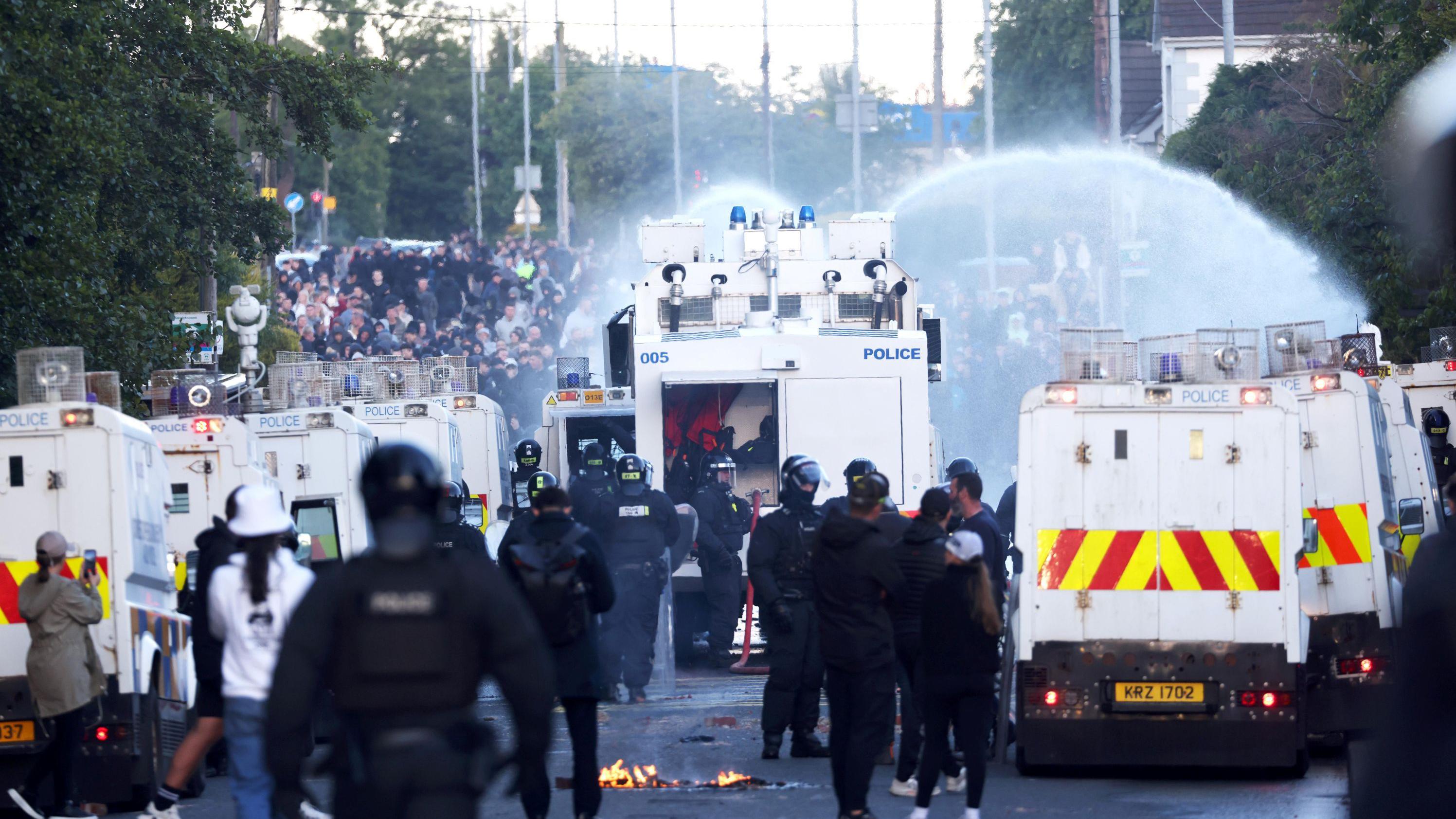
Northern Ireland carries a uniquely heavy burden of trauma from its past, and the PSNI is acutely aware of the risk that disorder of this kind can escalate in ways that draw on deep-seated community tensions. The decision to deploy water cannons at Sandyknowes roundabout in Newtownabbey — a tool that has not been used in Northern Ireland for several years — reflects the seriousness with which the police assessed the threat.
Key Developments
By Friday 12 June, the PSNI had confirmed 31 arrests and 23 charges arising from the disorder. The charges include riot, arson, and offences under the Public Order Act. Twelve police officers were injured during the second night of disorder, and 27 people were made homeless as a result of arson attacks and intimidation targeting properties occupied by ethnic minority families.
Assistant Chief Constable Bobby Singleton has been the primary PSNI spokesperson throughout the crisis. He has consistently emphasised that the violence is being driven by a small minority and that the vast majority of people in Northern Ireland are appalled by what they have witnessed. He has also been explicit about the role of online platforms in facilitating the disorder, calling on social media companies to take down inflammatory content and cooperate with the PSNI investigation.
The Department of Health has issued a statement condemning the intimidation of healthcare workers from ethnic minority backgrounds, following reports that staff travelling to the Royal Victoria Hospital and other Belfast health facilities were stopped and questioned by masked men. The Royal College of Nursing described the fear experienced by its members as "unimaginable" and called for urgent action to ensure the safety of healthcare workers.
Belfast City Council has issued multiple statements condemning the violence, with Lord Mayor Róis-Máire Donnelly attending an anti-racism rally at the International Peace Wall alongside MP John Finucane. The Council's statement — "Belfast stands against violence, racism and hate" — has been widely shared and has been cited by political leaders across the spectrum as reflecting the city's true character.
Why It Matters
The scale and coordination of the disorder has prompted serious questions about the adequacy of Northern Ireland's existing legal framework for dealing with online incitement. Unlike the Republic of Ireland, which has enacted hate speech legislation, Northern Ireland operates under older public order legislation that was not designed with social media in mind. The Home Secretary has announced a review of social media platform responsibilities in the context of civil disorder, but critics argue that this is insufficient and that specific legislative action is needed.
The disorder has also exposed the vulnerability of ethnic minority communities in Northern Ireland, many of whom have been living in the region for years and have built lives and families here. The displacement of 27 people from their homes — including children — is a humanitarian crisis on a small scale, but one with significant implications for Northern Ireland's reputation as a welcoming and inclusive society. Unlike the Republic, which has a more developed infrastructure for supporting displaced communities, Northern Ireland's response has been improvised and, in the view of some community organisations, inadequate.
Local Impact
The disorder has had a direct and severe impact on communities across Belfast and the wider north. In north Belfast — the area where the original attack took place — residents have described a climate of fear and uncertainty. Several schools in the city, including Cregagh Primary, Harmony Primary, Rathcoole Primary, Seaview Primary, and RBAI, closed early during the disorder due to safety concerns. The Grand Opera House cancelled its run of Mean Girls, and a number of other cultural events were postponed or cancelled.
In Newtownabbey, where water cannons were deployed at Sandyknowes roundabout, local businesses reported significant disruption, with some closing early and others reporting damage to property. The Glengormley area, which has a significant ethnic minority population, has been particularly affected, with families reporting that they are afraid to leave their homes.
What's Next
The PSNI investigation is expected to continue for several weeks, with further arrests anticipated as detectives analyse CCTV footage, social media content, and witness statements. The Director of Public Prosecutions will make decisions about charges in the coming days and weeks. A Stormont debate on the disorder is expected to take place in the Assembly chamber, and the Justice Committee has indicated it will hold a special session to examine the PSNI's response and the adequacy of existing legislation. The Home Secretary's review of social media platform responsibilities is expected to report within three months.