Stormont's Five Parties Issue Rare Joint Statement Condemning Belfast Disorder as Immigration Debate Intensifies
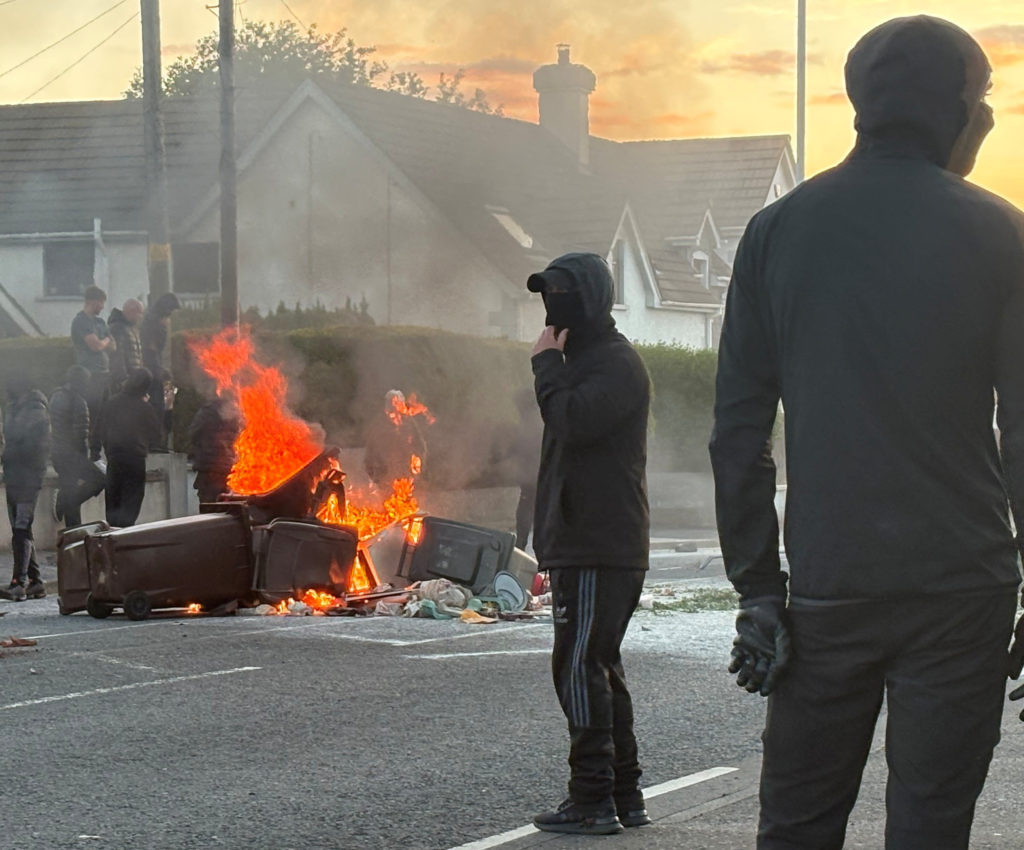
The five main parties in the Northern Ireland Executive — Sinn Féin, the DUP, Alliance, the UUP, and the SDLP — have issued a rare joint statement condemning the anti-immigrant violence that swept through Belfast and spread to Newtownabbey, Ballymena, and Portadown in the days following a knife attack in north Belfast, but the surface unity of the condemnation has been complicated by sharply divergent views on immigration policy that are now playing out in the Assembly chamber and in the media.
Background
Joint statements from all five Executive parties are rare in Northern Ireland's political culture, where the mandatory coalition structure of the Executive tends to produce consensus on the most basic matters of governance while leaving significant space for disagreement on everything else. The last comparable show of unity came in the aftermath of the Omagh bombing in 1998, and the fact that the disorder of June 2026 has prompted a similar response speaks to the seriousness with which political leaders across the spectrum have viewed the events.
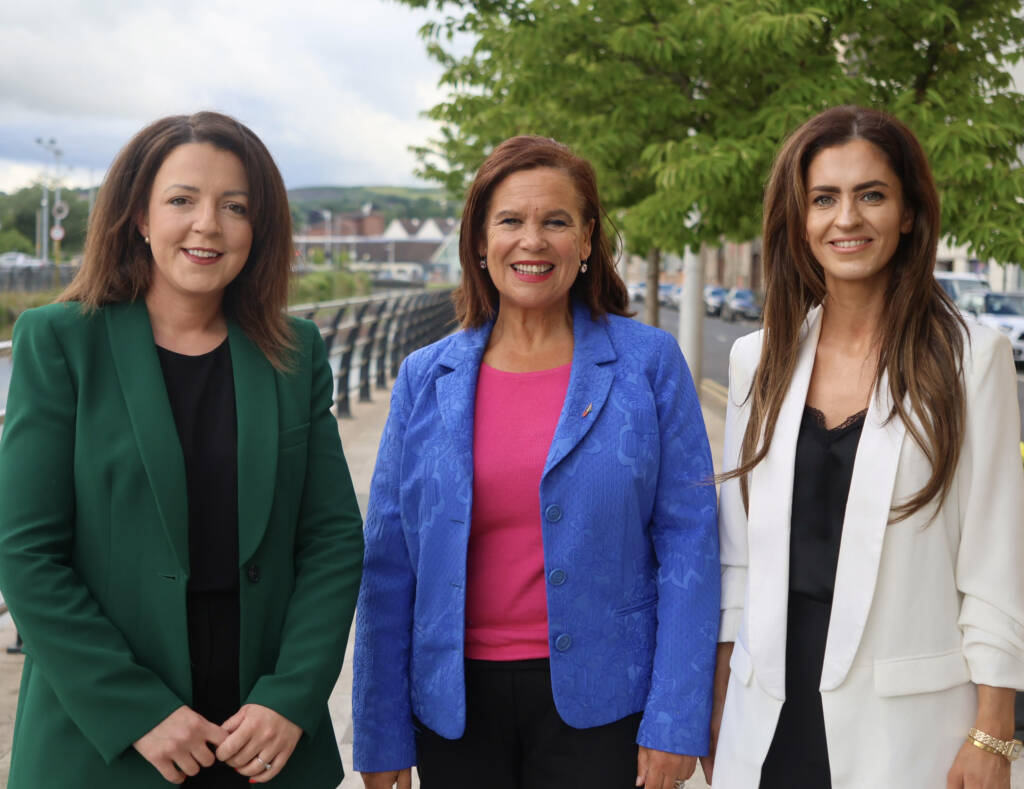
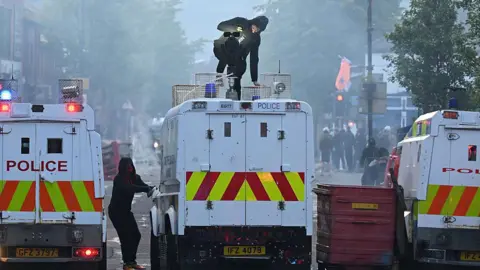
The statement was issued in the immediate aftermath of the peak nights of disorder on 9 and 10 June, when water cannons were deployed and twelve police officers were injured. First Minister Michelle O'Neill described the violence as "outright thuggery" and "pure racism," while Deputy First Minister Emma Little-Pengelly called the behaviour "absolutely unacceptable." Secretary of State for Northern Ireland Hilary Benn, who visited Belfast during the disorder, added his condemnation, stating there was no justification for the attacks on homes and businesses.
The family of Stephen Ogilvie, the victim of the initial knife attack that acted as a catalyst for the disorder, issued a statement through the PSNI pleading for the violence to stop and making clear that they did not support the unrest being carried out in his name. That statement, which was widely shared and reported, was one of the most powerful interventions of the entire episode.
Key Developments
While the joint condemnation was genuine, the political consensus it represented was narrower than it appeared. Behind the shared language of condemnation, the five parties hold significantly different views on the immigration policy questions that the disorder has brought to the surface. Some unionist politicians, including figures within the DUP and UUP, have used the events to call for stricter border controls and an end to what they describe as "uncontrolled immigration" through the Common Travel Area. They have pointed to the fact that the suspect in the initial stabbing allegedly entered Northern Ireland via Dublin as evidence that the CTA requires tighter management.
Sinn Féin and the SDLP have pushed back strongly against this framing, warning against "weaponising" the tragedy to advance an anti-immigration agenda and cautioning that any measures that undermine the open border on the island of Ireland would have profound implications for the Good Friday Agreement. Alliance, which has positioned itself as the party of a more liberal, outward-looking Northern Ireland, has been particularly vocal in rejecting the conflation of immigration and crime.
The debate has been further complicated by the UK government's announcement of a £3.7 billion immigration enforcement drive through 2029 and increased spot checks on cross-border routes. Dublin has warned that any measures must not undermine the Good Friday Agreement, and the Irish and British governments have committed to expanding data-sharing and intelligence-led operations to prevent abuse of the CTA — a compromise that has satisfied neither those who want stricter controls nor those who want no change at all.
Why It Matters
The political fallout from the Belfast disorder matters because it has exposed the fragility of the consensus that underpins Northern Ireland's power-sharing arrangements. The mandatory coalition structure of the Executive requires parties with fundamentally different visions of Northern Ireland's future to govern together, and it functions best when the issues on the agenda are technical and administrative rather than deeply ideological. Immigration is neither technical nor administrative — it touches on questions of identity, belonging, and the kind of society that Northern Ireland wants to be, questions on which the five parties have genuinely different answers. The disorder has forced those differences into the open in a way that will be difficult to manage in the Assembly chamber, and the coming months are likely to see sustained political tension around immigration policy that goes well beyond the immediate events of June 2026.
Local Impact
In the communities most directly affected by the disorder — north Belfast, Newtownabbey, Ballymena, Portadown — the political debate in Stormont feels distant from the immediate reality of damaged homes, frightened families, and disrupted services. Local community workers and voluntary organisations have been working to provide practical support to those affected, including emergency accommodation for families whose homes were damaged and counselling services for individuals experiencing trauma. The PSNI has established dedicated community liaison contacts in the affected areas, and there is a significant effort under way to rebuild trust between the police and the ethnic minority communities that bore the brunt of the violence. The political debate will continue; the work of community repair is already under way.
What's Next
The Assembly is expected to debate immigration policy in the coming weeks, with a motion likely to be tabled that will force the five parties to articulate their positions more explicitly than the joint statement allowed. The outcome of that debate will be closely watched as an indicator of whether the surface unity of the condemnation can be sustained in the face of genuine policy disagreement. The PSNI's Operation Exposure investigation will continue to generate arrests and charges, providing a steady stream of accountability that political leaders across the spectrum have said they welcome. And the anti-racism rally at Belfast City Hall, which drew an estimated 3,000 people, has provided a foundation for ongoing community organising that its participants hope will outlast the immediate crisis.