Belfast Riots: 19 Arrested and Charges Laid as PSNI Investigation Continues
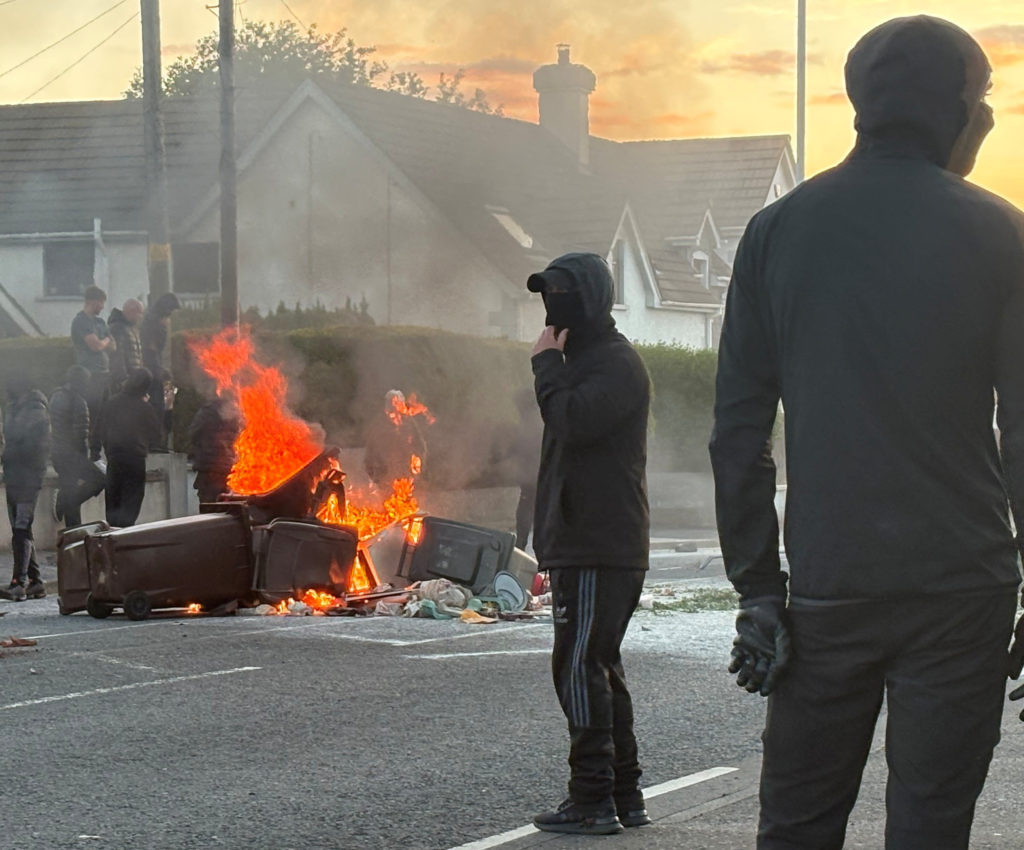
The Police Service of Northern Ireland has arrested 19 people and charged 12 in connection with the wave of civil disorder that erupted across Belfast and other parts of Northern Ireland following a knife attack on June 8, with detectives continuing to work through extensive CCTV footage and digital evidence as they seek to identify and prosecute all those responsible for what has been described as some of the most serious public disorder the region has seen in recent years.
Background
The disorder that began in the second week of June was triggered by a serious knife attack that occurred on June 8. The incident, which took place in north Belfast, rapidly became the catalyst for a series of riots that spread across the city and into other areas of Northern Ireland over the following days. The violence included arson attacks on vehicles and property, assaults on police officers, and the emergence of vigilante-style activity in several residential areas. The disorder had a clear racial dimension, with attacks targeting properties and individuals from minority ethnic communities.
The PSNI deployed significant resources to manage the disorder, with officers working extended shifts across multiple flashpoints simultaneously. The force received mutual aid from other UK police services and worked closely with community leaders, elected representatives, and faith groups to de-escalate tensions. By the end of the second week of June, the situation had stabilised significantly, with PSNI Assistant Chief Constable Ryan Henderson describing conditions as "much calmer," though the policing operation remained intensive.
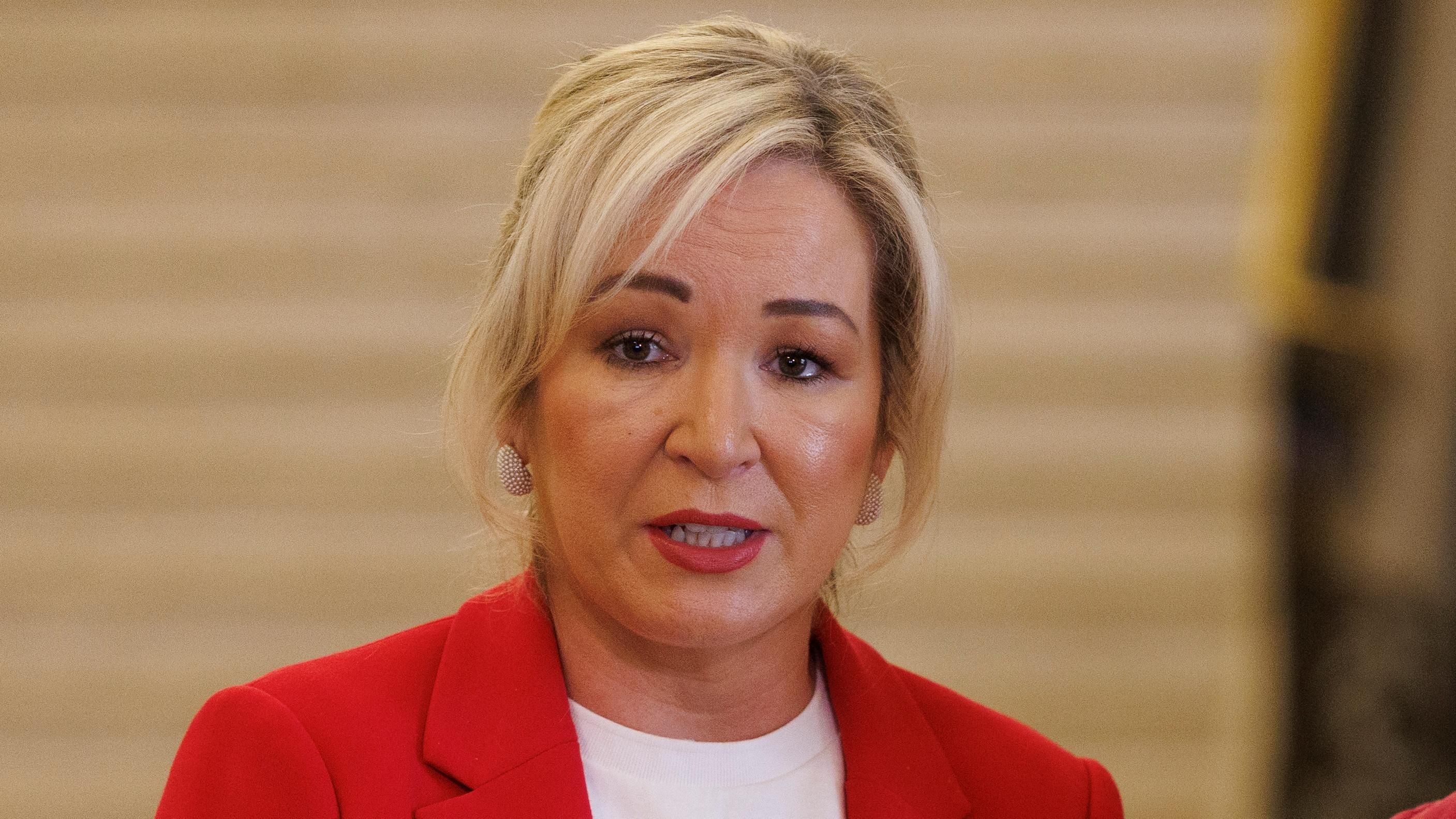
The disorder prompted a strong political response from Stormont, with First Minister Michelle O'Neill and deputy First Minister Emma Little-Pengelly issuing a joint condemnation of the violence. All five main parties represented in the Executive united in describing the riots as unacceptable and calling for those responsible to be brought to justice. The violence also drew condemnation from community and religious leaders across Northern Ireland, including from within the unionist and loyalist communities.
Key Developments
As of June 20, the PSNI had made 19 arrests and charged 12 individuals with offences including arson, assault on police, and public order offences. The charges reflect the range of criminal behaviour that occurred during the disorder, from the most serious incidents of arson and violence to participation in unlawful assemblies. Several of those charged have appeared before Belfast Magistrates' Court, with cases adjourned for further hearing.
Detectives from the PSNI's Public Protection Branch and Crime Operations Department are leading the ongoing investigation, which involves the analysis of thousands of hours of CCTV footage from across the affected areas. The force has also issued public appeals for information, releasing images of individuals it wishes to identify in connection with specific incidents. The response from the public has been described as helpful, with a number of tip-offs leading to arrests.
A man has also been charged with the manslaughter of Carl Holland, who died following an assault in west Belfast during the period of disorder. That case is being treated as a separate investigation but is connected to the broader context of the civil unrest.
Why It Matters
The riots represent a significant test of Northern Ireland's social cohesion and of the institutions — political, policing, and community — that are responsible for maintaining it. The racial dimension of the disorder is particularly concerning, reflecting a pattern of hostility towards minority ethnic communities that has been documented in Northern Ireland for several years. Unlike the sectarian violence that characterised the Troubles, this disorder was directed at people who are neither unionist nor nationalist, Protestant nor Catholic — a reminder that Northern Ireland's social challenges extend beyond the traditional constitutional divide. The speed and scale of the political condemnation was notable and important, demonstrating that there is no political constituency for race-hate violence in Northern Ireland. However, condemnation alone is insufficient; the underlying conditions that allowed the disorder to occur — including economic deprivation, social isolation, and the exploitation of community tensions by extremist elements — require sustained attention.
Local Impact
The communities most directly affected by the disorder are those in north and west Belfast where the violence was concentrated. Residents in areas including Ardoyne, New Lodge, and parts of the Shankill have described the experience as deeply unsettling, with many reporting that they felt unsafe leaving their homes during the worst nights of the disorder. Minority ethnic residents and business owners have been particularly affected, with some reporting that they are considering leaving Northern Ireland as a result of their experiences. Community organisations working with minority ethnic communities have reported a significant increase in requests for support and advice. The PSNI has established a dedicated community liaison team to work with affected communities and to encourage reporting of hate crimes and incidents.
What's Next
The PSNI investigation is expected to result in further arrests in the coming weeks as detectives continue to work through the evidence gathered during the disorder. Those already charged will appear before the courts over the coming months, with trials expected to begin later in the year. The Policing Board will scrutinise the PSNI's handling of the disorder at its next meeting, including the allegations about officer conduct near the Mater Hospital. Community organisations are planning a series of events to promote reconciliation and solidarity in the affected areas, with support from the Executive Office and the Community Relations Council.