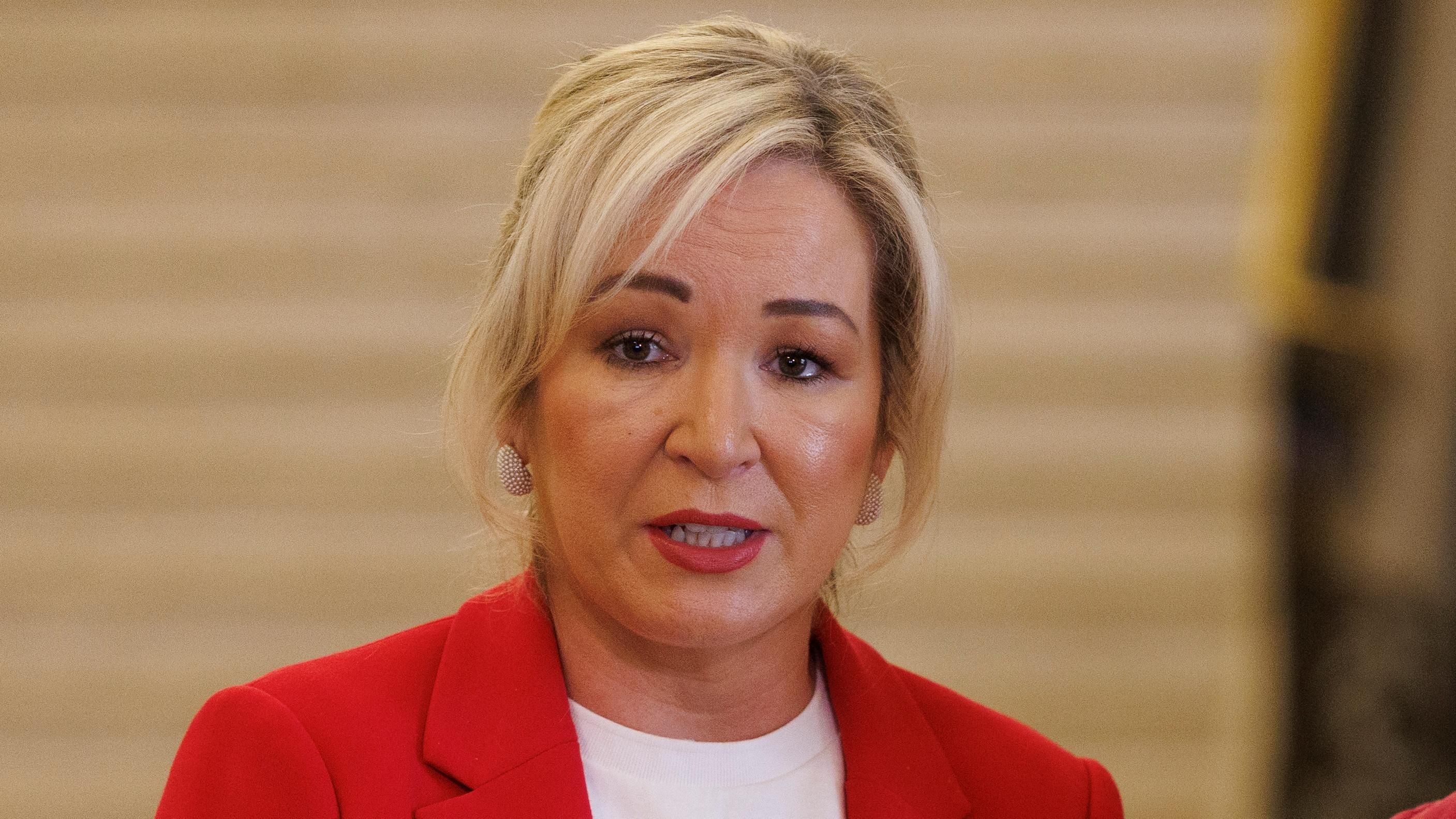
PSNI Investigates Claims Officers Told Nurses to Show ID to Masked Rioters
The Police Service of Northern Ireland has launched an investigation into explosive allegations that its officers advised nurses and other healthcare workers to present their identification to masked gangs who had established unofficial checkpoints near the Mater Hospital in north Belfast during last week's civil disorder — a development that has drawn furious condemnation from the First Minister and raised profound questions about policing conduct during one of the most serious outbreaks of public disorder Northern Ireland has seen in years.
Background
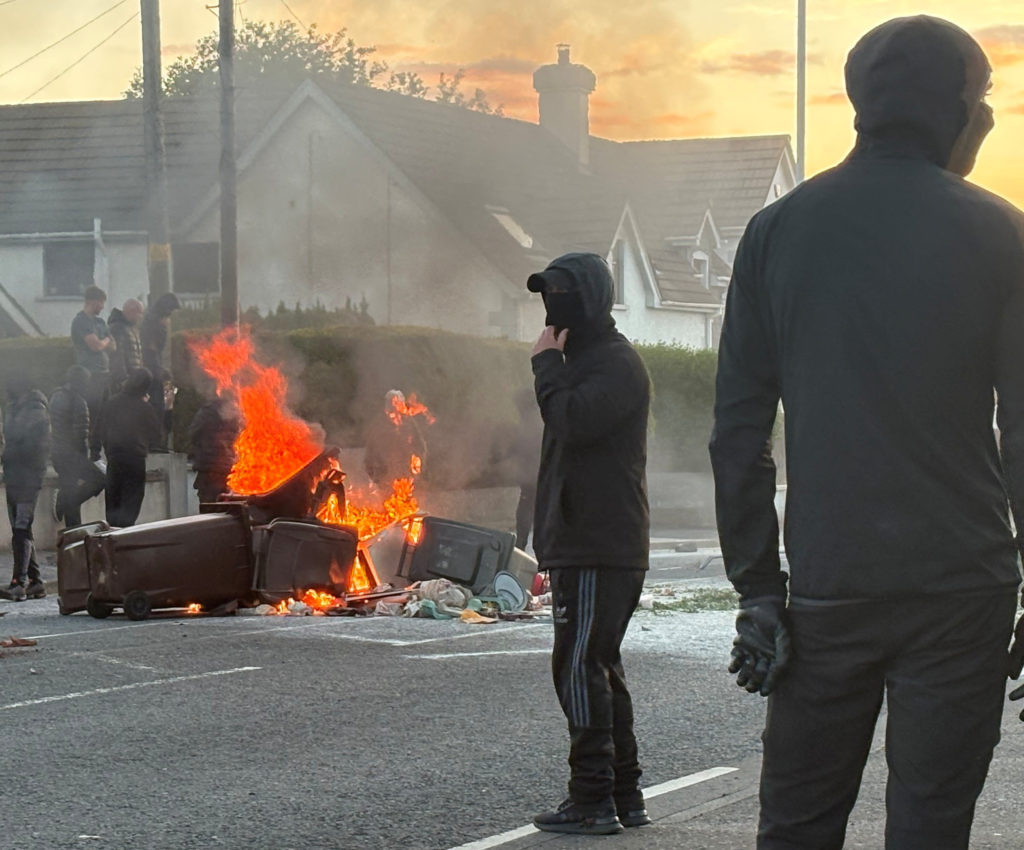
The riots that swept through parts of Belfast and other areas of Northern Ireland in the second week of June were triggered by a serious knife attack on June 8. What followed was a period of sustained civil disorder that included arson attacks, assaults on police officers, and the emergence of vigilante-style activity in several north Belfast streets. The Mater Hospital, which sits in the north of the city and serves a wide catchment area, found itself in close proximity to some of the worst disorder, with staff reporting difficulties travelling to and from work through affected areas.
The PSNI mounted a significant policing operation in response to the disorder, making 19 arrests and charging 12 individuals by June 12. Assistant Chief Constable Ryan Henderson described the operation as one of the most demanding the service had faced in recent years, with officers deployed across multiple flashpoints simultaneously. The force's handling of the disorder has been broadly praised by political leaders, but the specific allegations about officer conduct near the Mater Hospital represent a serious challenge to that narrative.
The allegations centre on claims that PSNI officers, rather than dispersing the masked individuals who had set up informal checkpoints on streets near the hospital, instead advised healthcare workers to comply with demands to show identification. If substantiated, this would represent a fundamental failure of the police's duty to protect members of the public going about their lawful business — and a deeply troubling accommodation of vigilante behaviour.
Key Developments
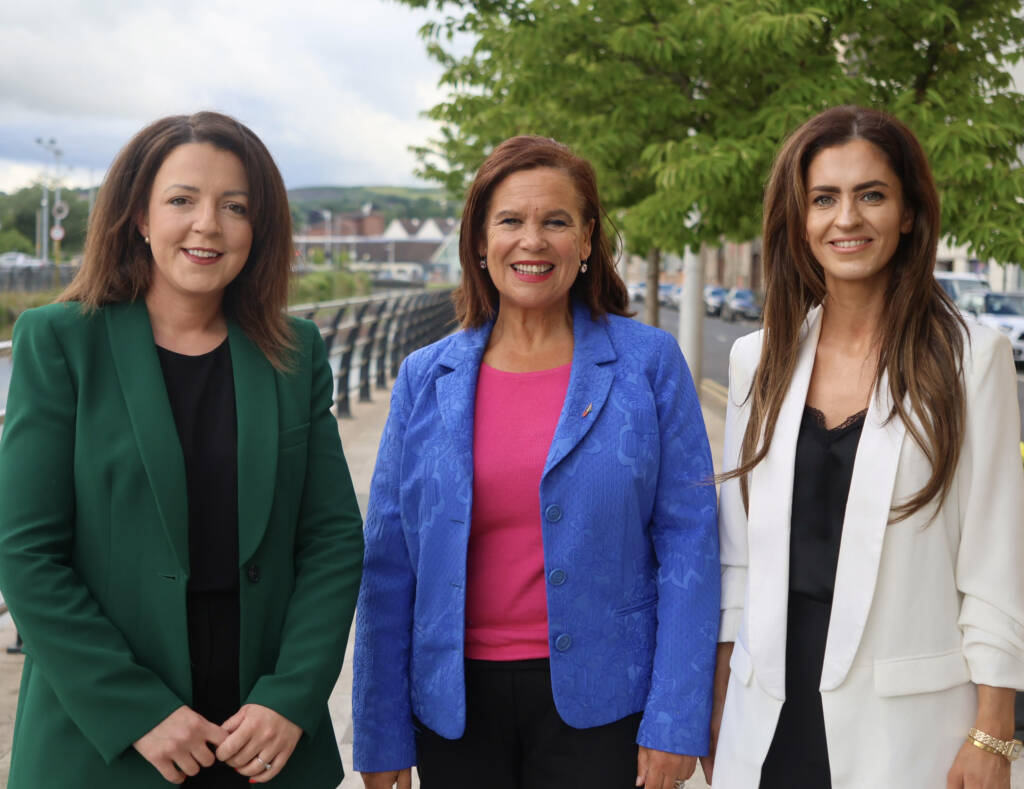
First Minister Michelle O'Neill raised the allegations directly with Chief Constable Jon Boutcher, who has confirmed that the PSNI is actively checking records and has engaged with Belfast Trust leadership to verify the accounts. PSNI Assistant Chief Constable Ryan Henderson stated that the force takes the allegations extremely seriously and that a thorough review of officer conduct during the relevant period is under way.
Health Minister Mike Nesbitt confirmed that he had received similar accounts from healthcare staff and described the situation as deeply concerning. The Belfast Health and Social Care Trust held emergency meetings with PSNI representatives in the immediate aftermath of the disorder, resulting in an increased police presence around hospital campuses. However, the question of what happened before those arrangements were put in place remains central to the investigation.
The PSNI has issued a public appeal for anyone with information about the alleged incidents to come forward, and has indicated that body-worn camera footage from officers deployed in the area during the relevant period will be reviewed as part of the investigation.
Why It Matters
The allegations, if proven, would represent a serious breach of the PSNI's fundamental obligations to the public it serves. Healthcare workers have a right to travel to and from their place of work without being subjected to intimidation by masked individuals, and the police have a clear duty to ensure that right is protected. The suggestion that officers may have facilitated rather than challenged such intimidation strikes at the heart of public confidence in policing in Northern Ireland — a confidence that has been painstakingly rebuilt over more than two decades since the Good Friday Agreement. This is the third significant controversy involving PSNI conduct to emerge in the past eighteen months, following earlier controversies over data breaches and the handling of legacy cases. Each incident adds to a cumulative pressure on the service's leadership to demonstrate accountability and transparency. The Policing Board is expected to raise the matter at its next scheduled meeting.
Local Impact
The immediate impact has been felt most acutely by staff at the Mater Hospital and other healthcare facilities in north Belfast. Nurses, doctors, and support workers who live in or travel through affected areas have described the experience of navigating the disorder as frightening and demoralising. The Belfast Trust has put in place additional support measures for affected staff, including access to counselling services and revised travel guidance. The broader north Belfast community, which includes the Ardoyne, New Lodge, and Tiger's Bay areas, has been deeply affected by the disorder, with community leaders from across the political spectrum calling for calm and for those responsible for the violence to be held to account. The PSNI investigation is expected to report its initial findings within the coming weeks.
What's Next
The PSNI investigation into officer conduct is ongoing, with a preliminary report expected within weeks. The Policing Board will scrutinise the findings and has the power to make recommendations about disciplinary proceedings if misconduct is established. Chief Constable Jon Boutcher is scheduled to appear before the board in the coming weeks, where the allegations are expected to be a central focus. Separately, the broader investigation into the riots continues, with further arrests anticipated as PSNI detectives work through CCTV and other evidence gathered during the disorder. The courts will hear the cases of those already charged in the coming months.