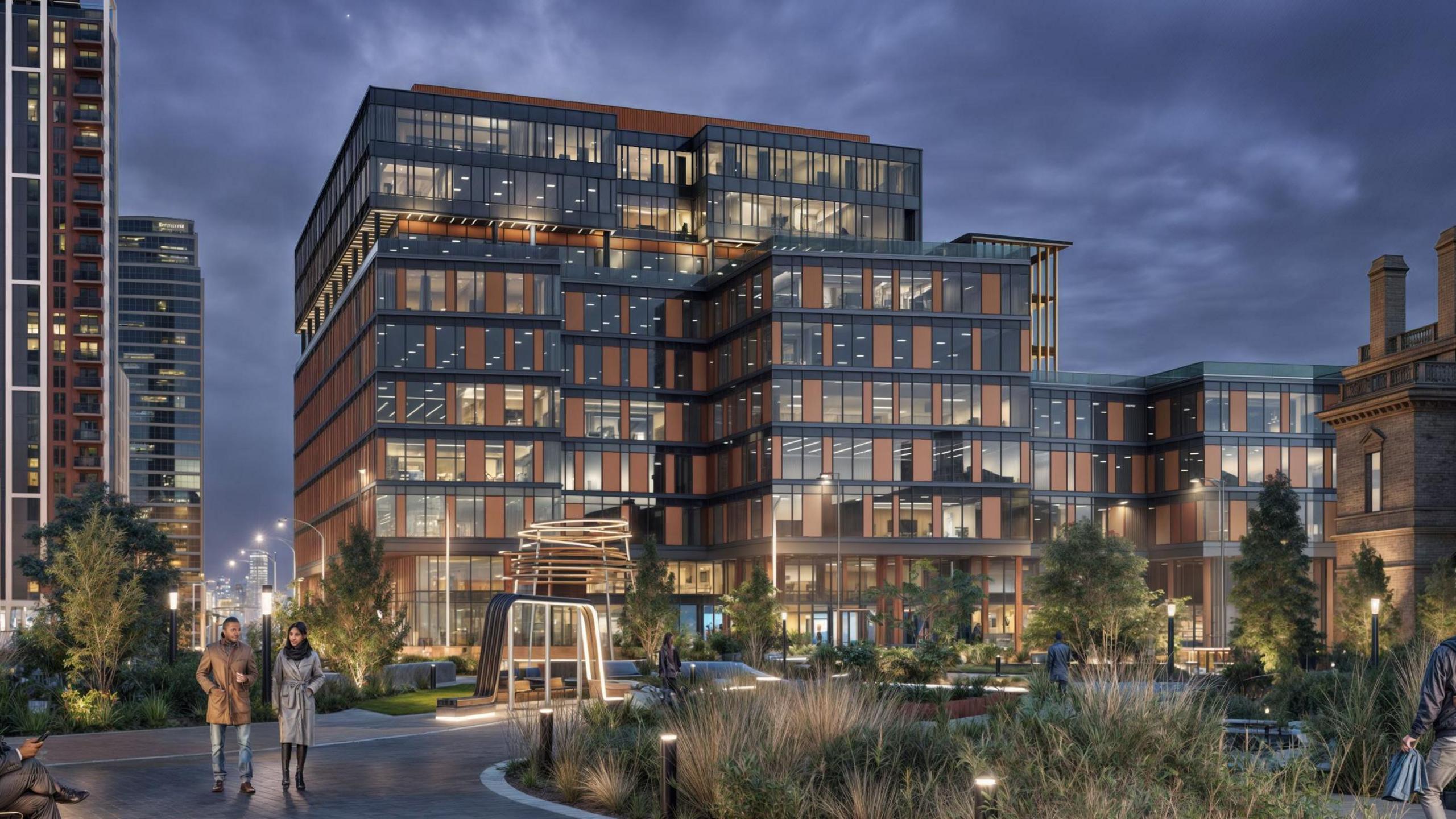
Belfast Harbour's £1.3 Billion Masterplan Promises 5,500 Jobs and a Clean Energy Future for Northern Ireland
Belfast Harbour has published its most ambitious long-term strategy in its 400-year history, a £1.3 billion, 25-year masterplan titled "Horizons of Opportunity" that envisages a fundamental transformation of the port's infrastructure, a major expansion of its economic footprint, and the creation of a Clean Energy Hub designed to position Northern Ireland at the centre of the offshore wind revolution.
Background
Belfast Harbour is one of the oldest and most significant port authorities in the United Kingdom and Ireland, with a history stretching back to the early seventeenth century. As a Trust Port — a form of statutory body that operates in the public interest rather than for private profit — it has a mandate to develop the harbour for the benefit of the regional economy and the communities it serves. Over the past two decades, the harbour has been transformed by the development of the Titanic Quarter, which has become one of the most successful urban regeneration projects in these islands, attracting tourism, technology companies, and residential development to what was once a derelict industrial waterfront.
The new masterplan builds on that foundation but is considerably more ambitious in scope. It comes at a moment when Northern Ireland's economy faces significant structural challenges — productivity levels that lag behind the rest of the UK, a skills shortage in key sectors, and the ongoing uncertainty created by post-Brexit trading arrangements. The harbour's leadership has positioned the masterplan as a response to these challenges, arguing that long-term infrastructure investment is the most reliable foundation for sustained economic growth.
The plan's full implementation will require legislative changes to allow the self-funded Trust Port greater financial flexibility for borrowing. With private sector contributions, the total investment could reach £2 billion over the 25-year period. The harbour has been in discussions with the Department for Infrastructure and the Department for the Economy about the regulatory changes required, and there is cautious optimism that the necessary legislative framework can be put in place.
Key Developments
The masterplan encompasses four broad areas of development. The first is terminal and quay upgrades, including the completion of a £90 million D3 deepwater cruise terminal that will allow Belfast to accommodate the largest cruise ships currently in service, and the redevelopment of Stormont Wharf to increase freight handling capacity. The second is land and logistics, including land reclamation for a new freight terminal and the construction of a new logistics park that would serve as a hub for distribution and warehousing operations.
The third and perhaps most strategically significant element is the Clean Energy Hub, which would position Belfast Harbour as a base for the offshore wind industry that is expected to expand dramatically in the waters around Northern Ireland and the wider Irish Sea over the coming decades. The hub would provide the port infrastructure, maintenance facilities, and supply chain support that offshore wind developers require, creating a new economic cluster with the potential to generate thousands of skilled jobs. The fourth element is urban regeneration, with plans for over 3,500 new homes in the Titanic Quarter and the adjacent Sailortown area, alongside commercial and cultural facilities.
Independent economic analysis commissioned by the harbour projects that the full implementation of the masterplan could increase the port's annual economic output to £12 billion in gross value added and support nearly 5,500 construction jobs during the development phase, with a further significant number of permanent positions created in the new facilities and industries that the plan would attract.
Why It Matters
The Belfast Harbour masterplan matters because it represents the kind of long-term, patient infrastructure investment that Northern Ireland's economy has historically lacked. The region's productivity gap with the rest of the UK is not a mystery — it reflects decades of underinvestment in the physical and human capital that drives economic growth. A £1.3 billion commitment to port infrastructure, clean energy, and urban regeneration will not close that gap overnight, but it provides a credible foundation for sustained improvement. The Clean Energy Hub element is particularly significant: the offshore wind sector is one of the fastest-growing industries in the world, and Northern Ireland's geographic position, with access to some of the windiest waters in Europe, gives it a genuine competitive advantage that has not yet been fully exploited. The masterplan is an attempt to capture that advantage before it is claimed by other ports in the region.
Local Impact
The most immediate local impact of the masterplan will be felt in the communities adjacent to the harbour — north Belfast, the Titanic Quarter, and Sailortown. The plan for 3,500 new homes in these areas addresses a genuine housing need in a city where supply has consistently failed to keep pace with demand. The development of Sailortown, a historic working-class neighbourhood that has been in decline for decades, is particularly significant: the masterplan envisages a mixed-use regeneration that would bring residents, businesses, and cultural facilities back to an area that was once one of the most vibrant in Belfast. For the wider Northern Ireland economy, the construction phase alone would generate thousands of jobs across the supply chain, from engineering and project management to trades and logistics.
What's Next
The immediate next step is the legislative process required to give the harbour the financial flexibility to borrow against its assets and attract private investment. The harbour's leadership has indicated that it is in active discussions with the relevant government departments and expects to have clarity on the regulatory framework within the next twelve months. The first major construction project under the masterplan — the completion of the D3 deepwater cruise terminal — is already under way, providing a tangible early demonstration of the plan's ambitions. The Clean Energy Hub is expected to be the focus of significant attention from offshore wind developers in the coming years, with the harbour planning a series of industry engagement events to attract investment and partnership.