Profits Among Northern Ireland's 100 Largest Companies Fall 17% as Margins Tighten Across the Economy
Combined pre-tax profits among Northern Ireland's 100 largest companies fell by more than 17% to £1.484 billion in the latest Ulster Business Top 100 report, with analysts attributing the decline to a tightening of margins amid global economic headwinds — though the underlying picture is more nuanced, with more than half of the listed companies reporting increased profits and the entry threshold for the list reaching an all-time high of £113.8 million in turnover.
Background
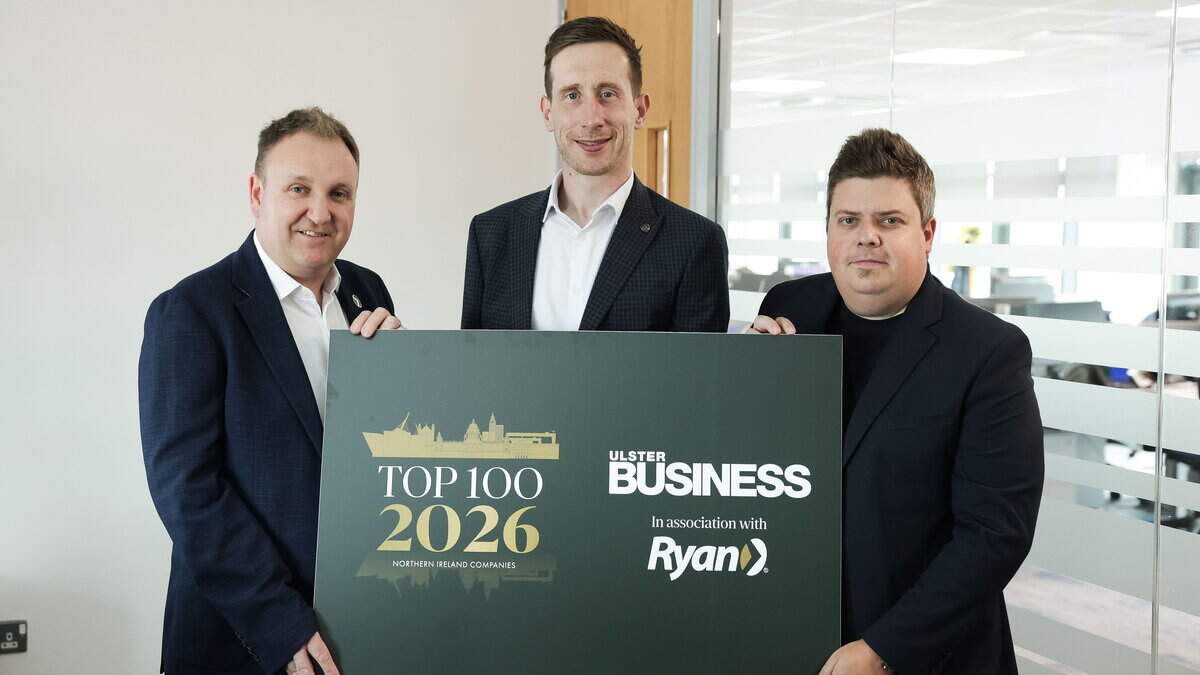
The Ulster Business Top 100 Northern Ireland Companies list, published annually in association with the tax firm Ryan, is the most comprehensive snapshot of corporate performance in the region, drawing on the latest annual company filings submitted to Companies House. Now in its 38th year, the report has tracked the fortunes of Northern Ireland's largest businesses through recessions, political crises, and periods of sustained growth, providing a longitudinal perspective on the health of the regional economy that is available nowhere else.
The 2026 edition covers a period that has been characterised by significant macroeconomic uncertainty. The ongoing impact of global supply chain disruptions, elevated energy costs, and the lingering effects of post-Brexit trade adjustments have all weighed on business performance across the United Kingdom and Ireland. Northern Ireland, with its unique position straddling two regulatory environments under the Windsor Framework, has faced additional complexity that has both created opportunities and imposed costs on businesses operating across the Irish Sea.
The report's headline finding — a 17.5% decline in combined pre-tax profits, amounting to a reduction of £315.7 million — needs to be understood in that context. The previous year's figure of £1.8 billion was itself a record, achieved during a period of post-pandemic recovery that generated exceptional margins in several sectors. The 2026 figure, while lower, remains historically strong.
Key Developments
Total sales among the top 100 companies were recorded at £34.966 billion, a marginal decrease of just £3 million from the previous year — marking only the second time in the 38-year history of the report that sales have remained essentially flat. Ulster Business editor John Mulgrew attributed the profit decline to a "tightening of margins" rather than a collapse in demand, a distinction that analysts say is important for understanding the underlying health of the economy.
Pilgrim's Europe — formerly Moy Park — retained the top position on the list with a turnover of £1.96 billion, reflecting the continued strength of Northern Ireland's agri-food sector. Other significant firms surpassing the £1 billion turnover threshold included the Henderson Group, Barnetts, LCC, Almac Group, and the Graham Group. New entrants to the list included Mallaghan, MJM Marine, and Shelbourne Motors, reflecting the continued dynamism of the manufacturing and automotive sectors.
Despite the headline profit decline, 53 of the 100 listed companies reported an increase in pre-tax profits, with 13 of those achieving growth despite a drop in turnover — a finding that analysts at Ryan described as evidence that many businesses are becoming "leaner and more disciplined" in their cost management.
Why It Matters
The Ulster Business Top 100 report is more than a corporate league table — it is a barometer of the health of the Northern Ireland economy and of the communities that depend on it. The 100 companies on the list employ tens of thousands of people across the six counties, and their performance has direct consequences for wages, investment, and the tax revenues that fund public services. The profit decline, while significant in percentage terms, does not suggest a fundamental deterioration in the region's economic base. The record entry threshold of £113.8 million in turnover indicates that the pool of large, successful businesses in Northern Ireland is growing, even if individual margins are under pressure. The challenge for policymakers is to create the conditions — in terms of infrastructure, skills, and regulatory certainty — that allow those businesses to continue to grow and to attract the investment that the region needs.
Local Impact
The geographic distribution of the top 100 companies reflects the concentration of economic activity in Belfast and its hinterland, but the list also includes significant employers from across the six counties — from the agri-food processors of County Tyrone and County Armagh to the engineering firms of County Antrim and the retail groups of County Down. For communities across Northern Ireland, the performance of these companies has direct consequences for employment levels, local spending, and the viability of supply chains that support smaller businesses. The Almac Group, based in Craigavon, County Armagh, is a particularly significant employer in the mid-Ulster area, and its continued strong performance is a source of economic stability for the region.
What's Next
Ulster Business will publish a full analysis of the Top 100 report in its September edition, including sector-by-sector breakdowns and interviews with the chief executives of the highest-performing companies. The report will also include a forward-looking assessment of the challenges and opportunities facing Northern Ireland's largest businesses in the remainder of 2026 and into 2027, with particular attention to the impact of the Windsor Framework, the skills shortage, and the transition to net zero. Invest Northern Ireland has indicated that it will use the report's findings to inform its business support strategy for the coming year.