Ornua and Tírlan at Loggerheads Over US Butter Deal as Kerrygold Brand Faces Kirkland Challenge
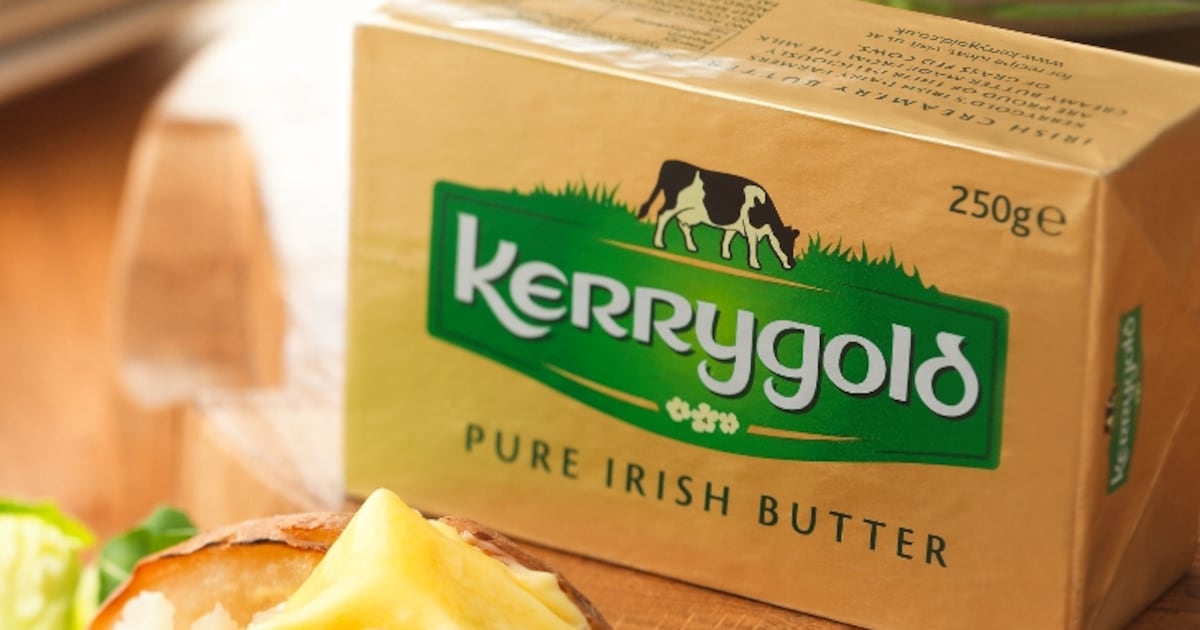
A significant commercial dispute has erupted between two of Ireland's largest dairy co-operatives after Tírlan secured a contract to supply grass-fed butter to US retail giant Costco under its Kirkland private label — a move that places it in direct competition with Kerrygold, the flagship brand owned by Ornua that recently surpassed $1 billion in annual US sales, and that has prompted urgent calls from farmer representative groups for Tírlan to reconsider.
Background
Kerrygold is one of Ireland's most successful export brands, a premium grass-fed butter that has built a dominant position in the US market over 65 years of sustained investment and brand development. Owned by Ornua, the Irish dairy co-operative that acts as the primary marketer of Irish dairy products abroad, Kerrygold has become synonymous with Irish grass-fed dairy in the minds of American consumers and has been a significant driver of value for Irish dairy farmers.
Tírlan, formerly known as Glanbia's dairy business, is one of Ireland's largest dairy co-operatives and is simultaneously one of Ornua's key suppliers and a competitor in certain markets. The relationship between the two organisations has historically been complex, with Tírlan supplying significant volumes of milk and dairy products to Ornua while also pursuing its own commercial strategies in international markets.
The revelation in July 2026 that Tírlan had secured a contract to supply grass-fed butter to Costco under the Kirkland brand — at a price of approximately $6 per kilogram, placing it in direct competition with Kerrygold — has brought that complexity to a head and sparked a public dispute that has drawn in farmer representative groups, politicians, and industry analysts.
Key Developments
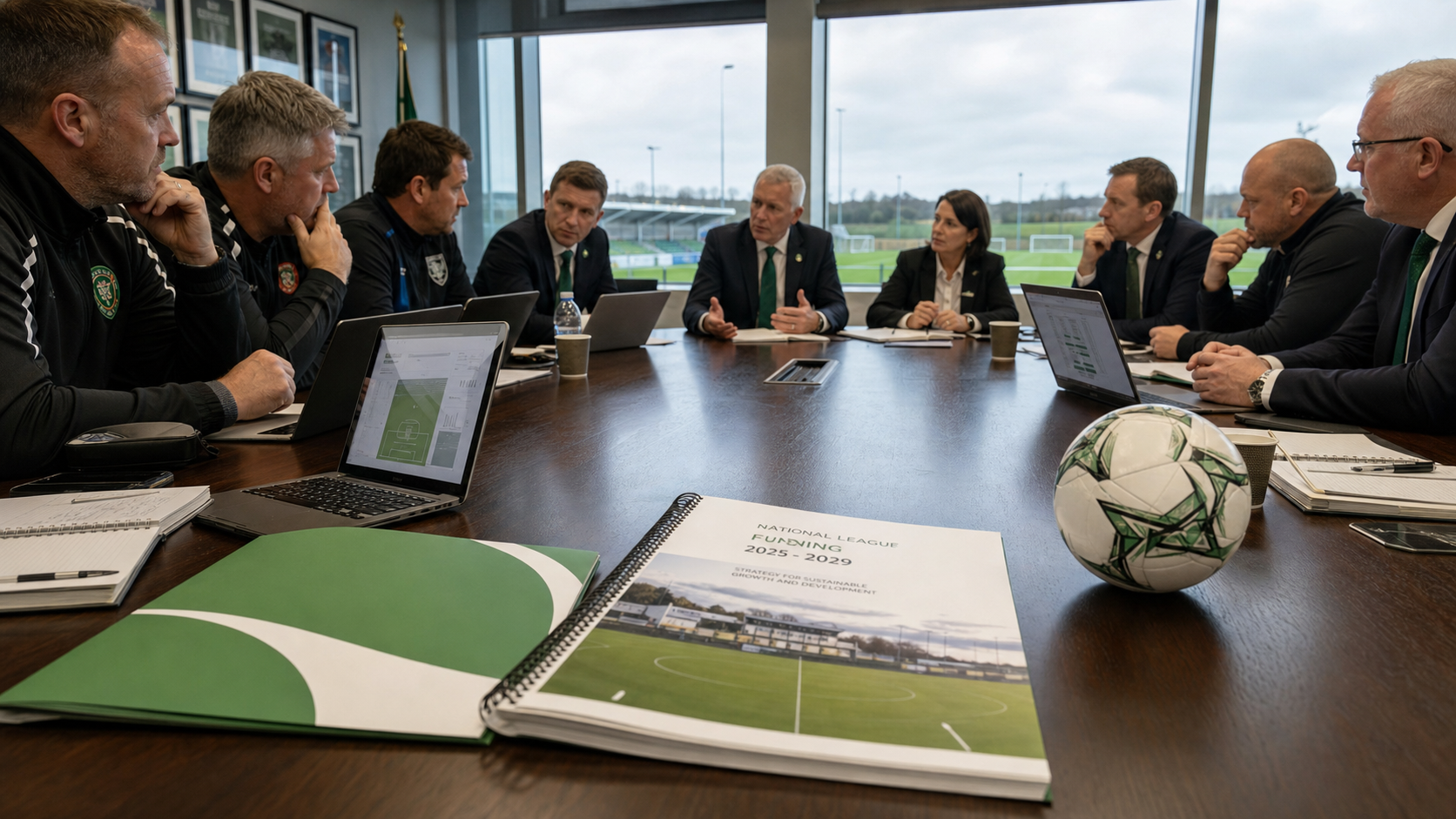
The Irish Farmers' Association and the Irish Creamery Milk Suppliers' Association have both expressed serious concern about the implications of the Tírlan-Costco deal. IFA President Francie Gorman has requested an urgent meeting with Tírlan management to discuss the potential negative impact on the Kerrygold brand, while ICMSA President Denis Drennan has warned against divergent strategies between major Irish co-operatives that compete on price rather than quality.
Ornua has publicly defended its strategy of prioritising long-term brand investment over short-term price competition, arguing that Kerrygold's success depends on maintaining a premium proposition and that competing on price alone will erode the value of Irish grass-fed butter in the US market. The company has signalled that it does not believe the Tírlan approach serves the best interests of the farming families it represents.
Tírlan has not publicly commented in detail on the dispute, but the company's position — that it is entitled to pursue its own commercial strategies in international markets — is understood to be firm. The dispute echoes a similar controversy in 2018, when Tírlan launched its Truly Grass Fed brand in the US at a time when Ornua was already involved in legal disputes regarding grass-fed labelling credentials.
Why It Matters
The Kerrygold brand is not merely a commercial asset — it is a strategic resource for the entire Irish dairy sector. The premium that Kerrygold commands in the US market flows back to Irish dairy farmers through the prices paid by Ornua for their milk, and any erosion of that premium has direct consequences for farm incomes. If the Tírlan-Costco deal triggers a price war in the US grass-fed butter market, the losers will ultimately be the farmers who own both co-operatives.
The dispute also raises broader questions about the governance of Irish dairy co-operatives and the mechanisms available to prevent individual co-operatives from pursuing strategies that damage the collective interest. The IFA's call for an urgent meeting with Tírlan management is a recognition that the current situation requires a resolution that goes beyond the commercial interests of any single organisation.
Local Impact
For dairy farmers across Ireland — particularly in the Munster and Leinster regions where Tírlan and Ornua have their strongest supplier bases — the dispute is a source of genuine anxiety. The milk price paid to farmers is directly linked to the value that Ornua and other processors can extract from their products in international markets, and any development that threatens the premium positioning of Kerrygold has the potential to affect farm incomes. The IFA's intervention reflects the seriousness with which the farming community regards the situation.
What's Next
The IFA has requested an urgent meeting with Tírlan management, and that meeting is expected to take place in the coming days. Ornua is also expected to engage with Tírlan at board level to seek a resolution to the dispute. The Department of Agriculture has been briefed on the situation and is monitoring developments. If the dispute cannot be resolved through direct engagement between the co-operatives, it may ultimately require intervention by the government or by the regulatory authorities.