Occupied Territories Bill Row: Taoiseach Defends Decision to Exclude Services as Opposition Cries Foul
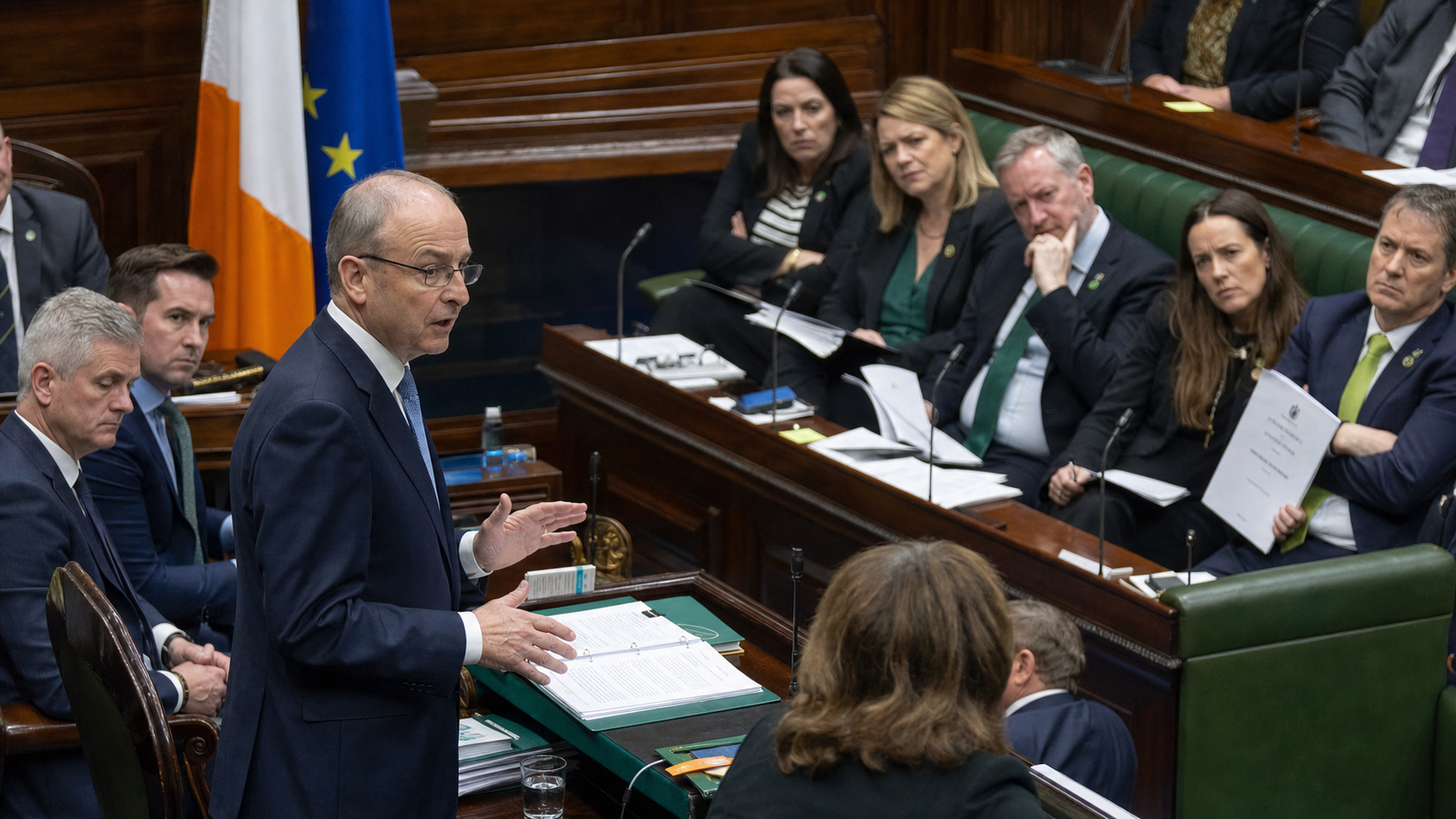
Taoiseach Micheál Martin has defended the government's decision to exclude services from the Israeli Settlements (Prohibition of Importation of Goods) Bill 2026, arguing that including services would be legally unimplementable and would put 250,000 Irish jobs at risk — a position that has been met with fierce opposition from Sinn Féin, People Before Profit, and a number of independent TDs who have accused the government of gutting the legislation.
Background
The Occupied Territories Bill has been one of the most contentious pieces of legislation in the Irish political landscape for several years. The original bill, introduced as a private member's bill by the Labour Party in 2018, sought to prohibit the import and sale of goods from Israeli settlements in the occupied Palestinian territories. The bill passed the Seanad in 2019 but was never enacted, with successive governments citing legal concerns about its compatibility with EU trade law.
The current government's decision to introduce its own version of the legislation — the Israeli Settlements (Prohibition of Importation of Goods) Bill 2026 — was welcomed by Palestinian rights advocates as a significant step forward. However, the decision to exclude services from the scope of the bill has been deeply controversial, with critics arguing that it significantly limits the legislation's practical impact.
The services dimension is significant because a substantial proportion of the economic activity associated with Israeli settlements involves services rather than goods — including financial services, technology services, and professional services. By excluding services from the bill's scope, the government has effectively exempted a large part of the economic relationship between Ireland and the settlements from the legislation's reach.
Key Developments
The Taoiseach's defence of the decision to exclude services rested on two main arguments. First, he argued that including services would be legally unimplementable — that the Irish government does not have the legal tools to effectively prohibit the provision of services to entities in the occupied territories, and that attempting to do so would expose the state to significant legal challenges. Second, he argued that including services would put 250,000 Irish jobs at risk — a figure that relates to the employment in Irish companies that provide services to Israeli entities, including settlements.
Opposition parties have rejected both arguments. Sinn Féin's foreign affairs spokesperson has described the 250,000 jobs figure as "misleading" and has argued that the legal concerns cited by the Taoiseach are overstated. People Before Profit has gone further, describing the bill as "a fig leaf" that gives the appearance of action without delivering any meaningful change. Several independent TDs have indicated that they will vote against the bill unless the services exclusion is removed.
The government has indicated that it expects the bill to pass before the Dáil summer recess in mid-July, with the support of its coalition partners and some independent TDs. However, the controversy over the services exclusion has created a significant political headache for the Taoiseach, who has been accused of prioritising economic interests over Ireland's stated commitment to Palestinian rights.
Why It Matters
The Occupied Territories Bill debate is significant because it goes to the heart of Ireland's foreign policy identity. Ireland has a long tradition of solidarity with the Palestinian people, rooted in its own history of colonialism and its experience of the peace process in Northern Ireland. The government's decision to introduce the bill — even in its limited form — reflects this tradition, but the decision to exclude services has raised questions about whether the legislation is a genuine expression of that solidarity or a political gesture designed to manage domestic pressure without incurring significant economic costs.
The debate also has implications for Ireland's relationship with the European Union. EU trade law places significant constraints on what individual member states can do in relation to trade with third countries, and the government's legal concerns about including services in the bill reflect these constraints. However, critics argue that the government has not exhausted all available legal options and that a more determined effort to include services would have been possible.
Local Impact
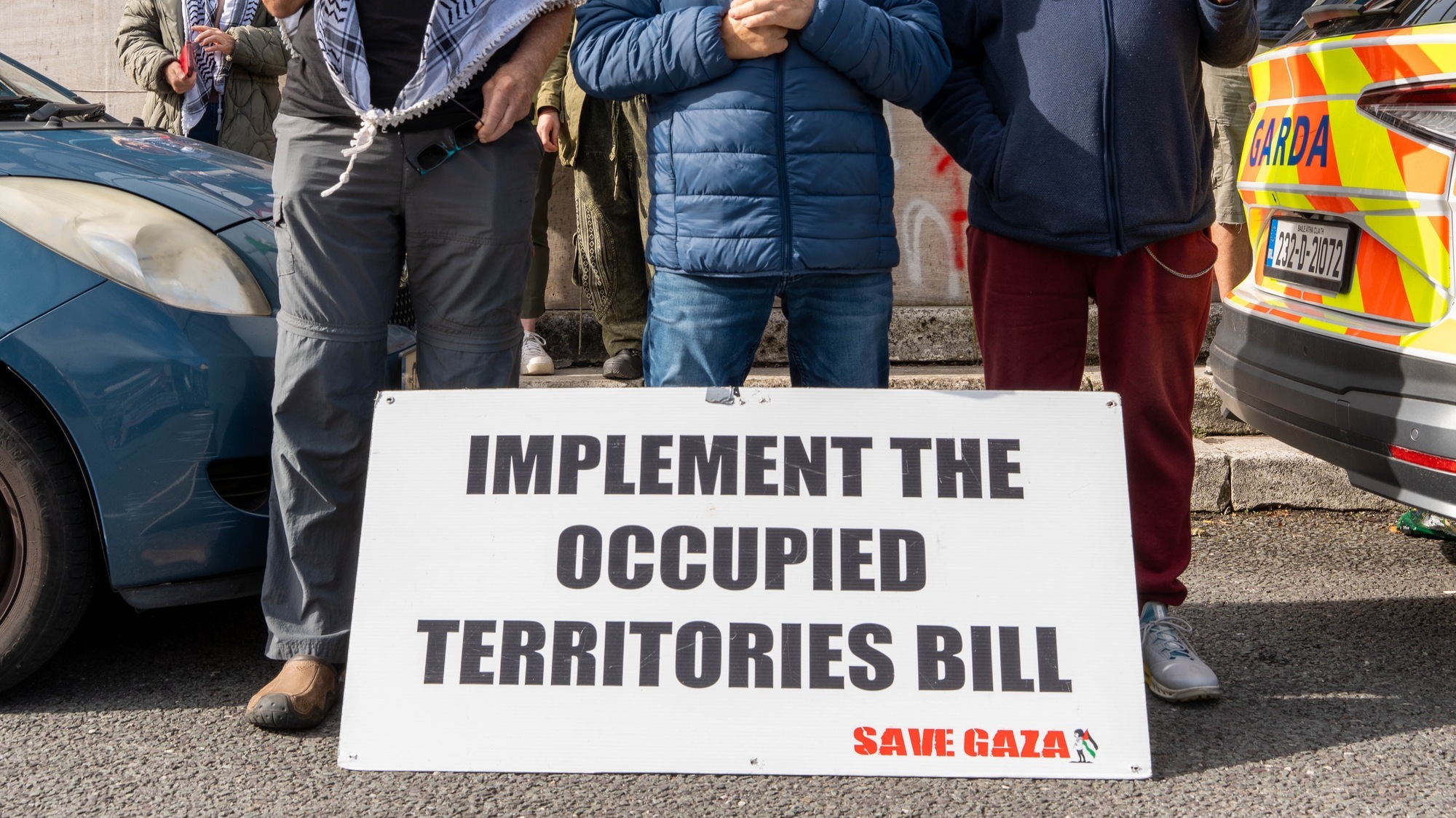
In Ireland, the Occupied Territories Bill debate has generated significant public interest, with a number of civil society organisations and trade unions calling for the services exclusion to be removed. The Irish Congress of Trade Unions has passed a motion supporting the inclusion of services in the bill, and several prominent Irish academics and legal experts have argued that the government's legal concerns are overstated. The debate has also generated significant media coverage, with the issue featuring prominently in the national newspapers and on RTÉ.
What's Next
The Israeli Settlements (Prohibition of Importation of Goods) Bill 2026 is expected to be debated in the Dáil in the coming weeks, with the government targeting enactment before the summer recess in mid-July. Opposition parties have indicated that they will table amendments to include services in the bill's scope, and the government will need to decide whether to accept or reject those amendments. If the bill passes in its current form, it will be the first piece of Irish legislation to directly prohibit trade with Israeli settlements, but its practical impact will be limited by the exclusion of services.