Fine Gael Announces Blueprint for Irish Unity as Simon Harris Calls for 'Serious Preparation' at UCD
Tánaiste and Fine Gael leader Simon Harris has announced that his party will develop a comprehensive blueprint for a unified island, to be published at Fine Gael's ardfheis in November 2026, in a speech at University College Dublin marking the centenary of the birth of former Taoiseach Garret FitzGerald — a development that represents a significant repositioning for a party that has historically approached the question of Irish unity with considerable caution.
Background
Fine Gael's relationship with the question of Irish unity has always been complicated. As the party of the Treaty and of the Free State tradition, it has a constitutional commitment to Irish unity that is embedded in its founding documents, but in practice it has tended to treat the issue as a long-term aspiration rather than an immediate political priority. The party's instinct has been to focus on building good relations with Northern Ireland and with the unionist community rather than on the mechanics of constitutional change, and it has been wary of the kind of nationalist rhetoric that it associates with Sinn Féin and, to a lesser extent, Fianna Fáil.
That caution has come under increasing pressure in recent years. The 2016 Brexit referendum, which Northern Ireland voted against by 56% to 44%, fundamentally changed the political landscape on the island of Ireland, making the prospect of a border poll more plausible and more urgent than it had been at any point since the Good Friday Agreement. The growth of Sinn Féin as the largest party in both jurisdictions has further intensified the debate, and the publication of detailed unity planning documents by Sinn Féin and others has created pressure on Fine Gael to engage more substantively with the question.
The choice of the Garret FitzGerald centenary as the occasion for the announcement is significant. FitzGerald, who served as Taoiseach in the 1980s, was one of the most intellectually serious politicians of his generation on the question of Irish unity, and his approach — which emphasised the need to understand and accommodate unionist concerns rather than simply asserting the nationalist case — is the tradition that Harris is explicitly invoking.
Key Developments
The blueprint, which will be developed by the Fine Gael Northern Ireland Engagement Group with facilitation from academic Professor Deirdre Heenan, is intended to move the conversation about Irish unity beyond "slogans, sentimentality, or simplistic assumptions," in Harris's words. The document will examine the fiscal implications of unity, the delivery of public services in a unified state, the economic opportunities that unity might create — including all-island infrastructure and enhanced EU market access — and the practical political and societal meaning of a unified Ireland.
Harris was careful to frame the announcement in terms of preparation rather than advocacy, emphasising that Fine Gael is not calling for an immediate border poll but rather arguing that the question deserves serious, evidence-based analysis. He cited the example of Scotland's independence referendum, where the lack of detailed planning by the independence campaign was widely seen as a weakness, as a cautionary tale about the dangers of approaching constitutional change without adequate preparation.
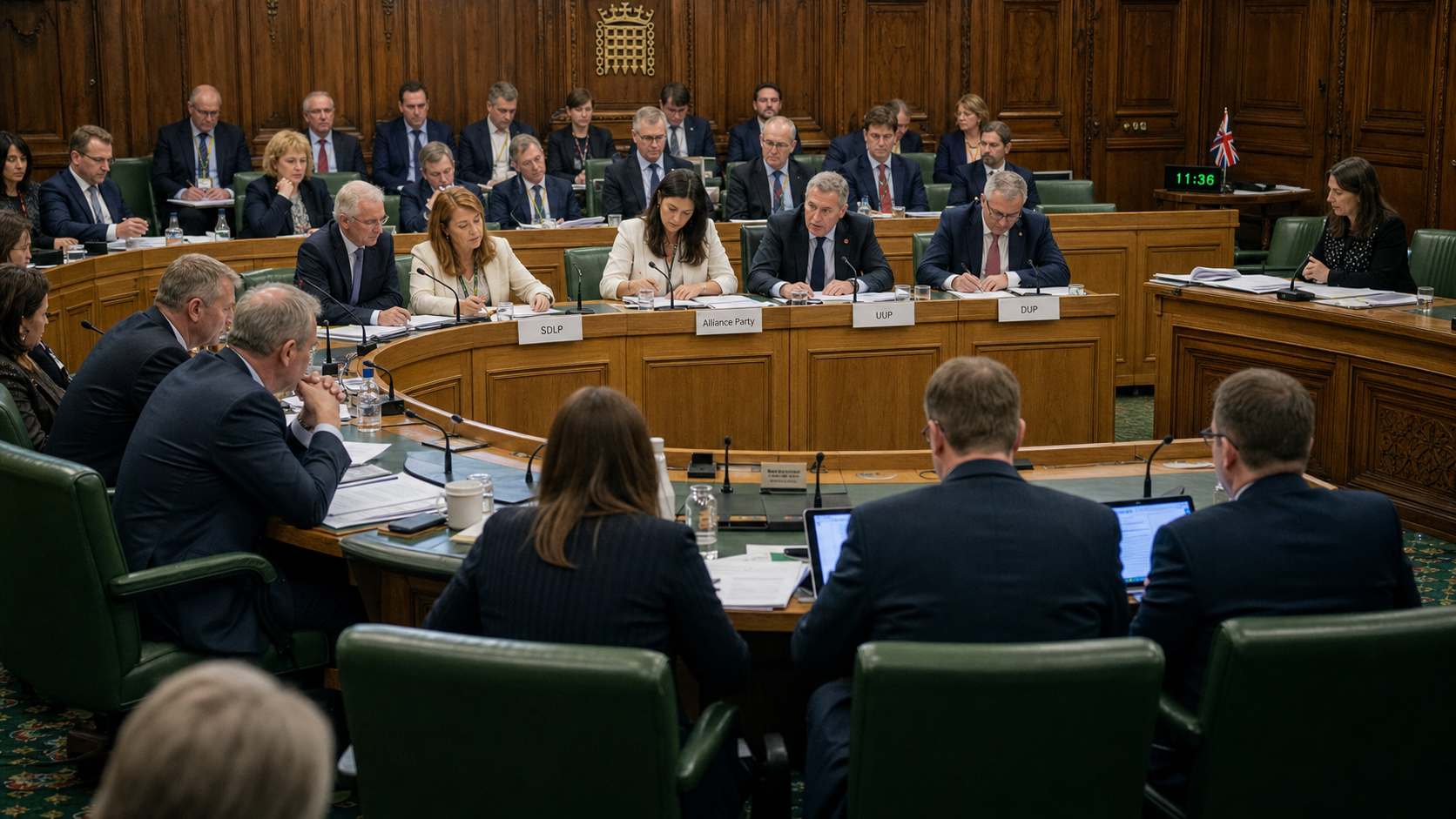
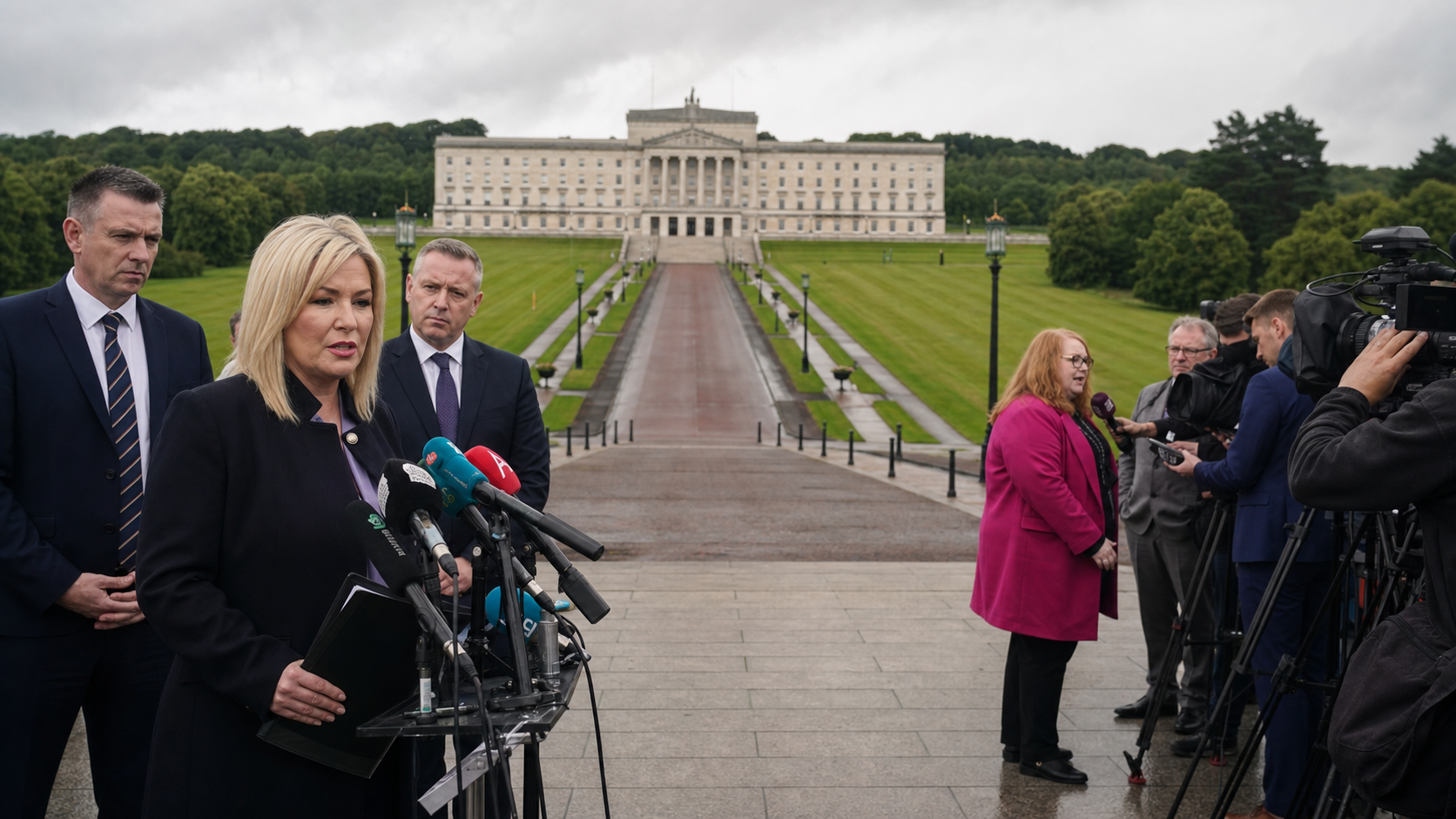
Sinn Féin leader Mary Lou McDonald welcomed the announcement but challenged Harris to go further, supporting existing Sinn Féin legislation calling for a government Green Paper and a citizens' assembly on the issue. The SDLP and Alliance in Northern Ireland also responded positively, while unionist parties were more sceptical, with the DUP describing the announcement as "unhelpful" and the UUP calling for the focus to remain on making Northern Ireland work within the United Kingdom.
Why It Matters
The Fine Gael announcement matters because it signals a significant shift in the centre of gravity of Irish political debate on unity. When the largest party in the coalition government — a party that has historically been the most cautious of the main parties on this issue — commits to developing a detailed blueprint for a unified island, it changes the terms of the conversation. It is no longer possible to dismiss unity planning as the preserve of Sinn Féin or as a fringe concern; it is now a mainstream political project that the Tánaiste of Ireland is publicly committed to. The quality of the blueprint that Fine Gael produces will matter enormously — if it is serious, evidence-based, and genuinely grapples with the hard questions about fiscal transfers, public services, and the accommodation of unionist identity, it could make a real contribution to the debate. If it is superficial or primarily rhetorical, it will be dismissed accordingly.
Local Impact
The announcement will be felt differently in different parts of the island. In the Republic, it is likely to be welcomed by those who believe that unity planning is overdue and that the government has been too passive on the issue. In Northern Ireland, the reaction will be more divided: nationalists and republicans will broadly welcome it, while unionists will view it with suspicion or hostility. The Alliance Party, which has positioned itself as a cross-community party that is open to unity if it is the democratic will of the people, has responded cautiously positively. The practical impact on the ground in Northern Ireland will depend on how the blueprint is developed and whether it genuinely engages with the concerns of the unionist community — a test that Fine Gael's Northern Ireland Engagement Group will need to take seriously.
What's Next
The Fine Gael Northern Ireland Engagement Group, facilitated by Professor Deirdre Heenan, will begin its work in the coming weeks, with a series of consultations and research exercises planned over the summer and autumn. The blueprint is scheduled for publication at the Fine Gael ardfheis in November 2026, which will provide a major platform for the party to set out its vision. The announcement is also likely to accelerate the broader political debate about unity planning, with other parties under pressure to articulate their own positions more clearly. The Taoiseach, Micheál Martin, has been asked whether Fianna Fáil will develop a similar document, and the question of whether the government as a whole should commission a Green Paper on unity is likely to be raised in the Dáil in the coming weeks.