Northern Ireland's Healthcare Crisis: Half a Million on Waiting Lists as System Reaches Breaking Point
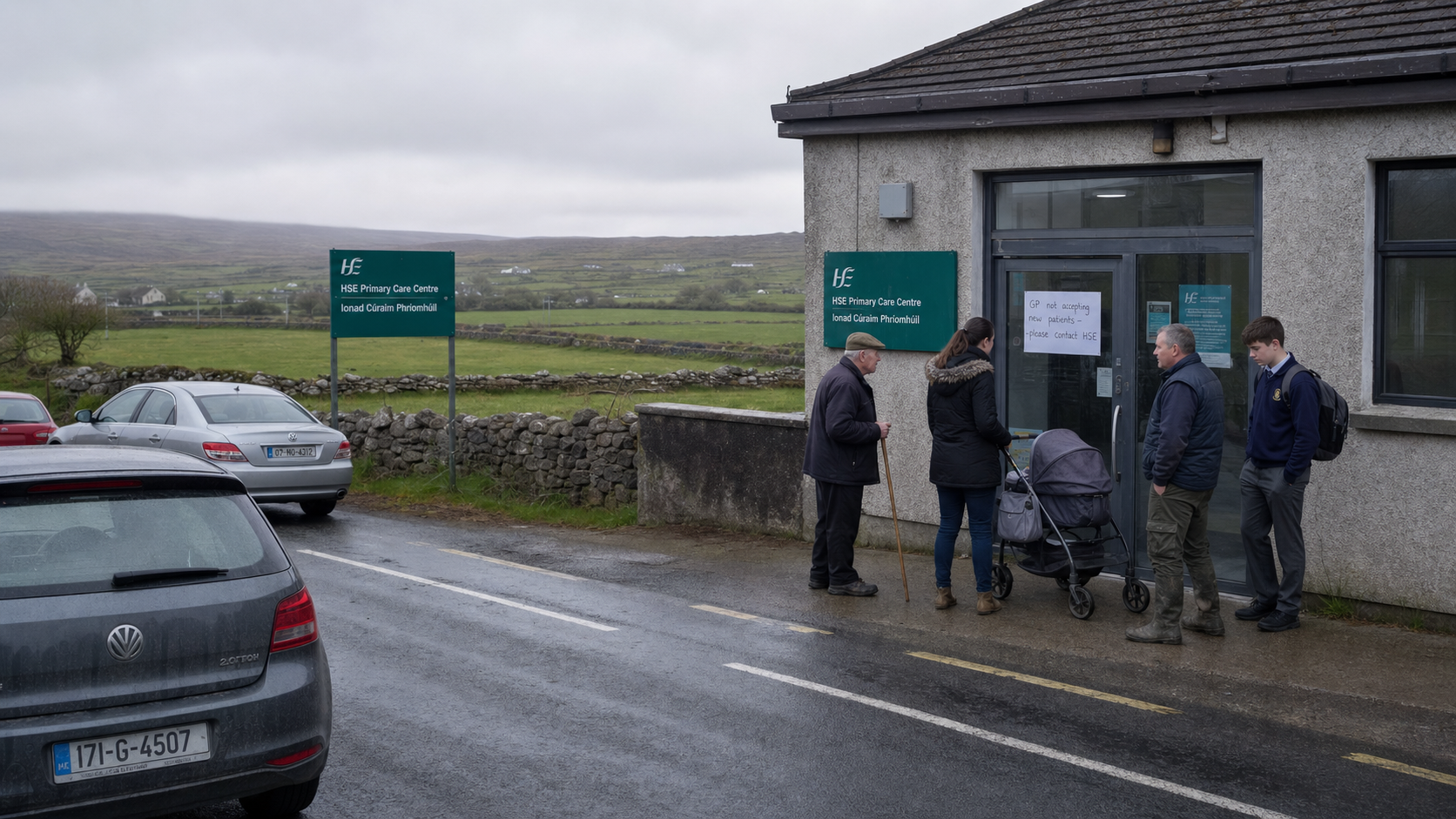
Northern Ireland's health service is in a state of severe crisis, with over 634,000 people on waiting lists as of late 2025 — the highest figure ever recorded — as a decade of underfunding and political deadlock at Stormont has pushed the system to breaking point, leaving patients facing waits of years for routine treatment.
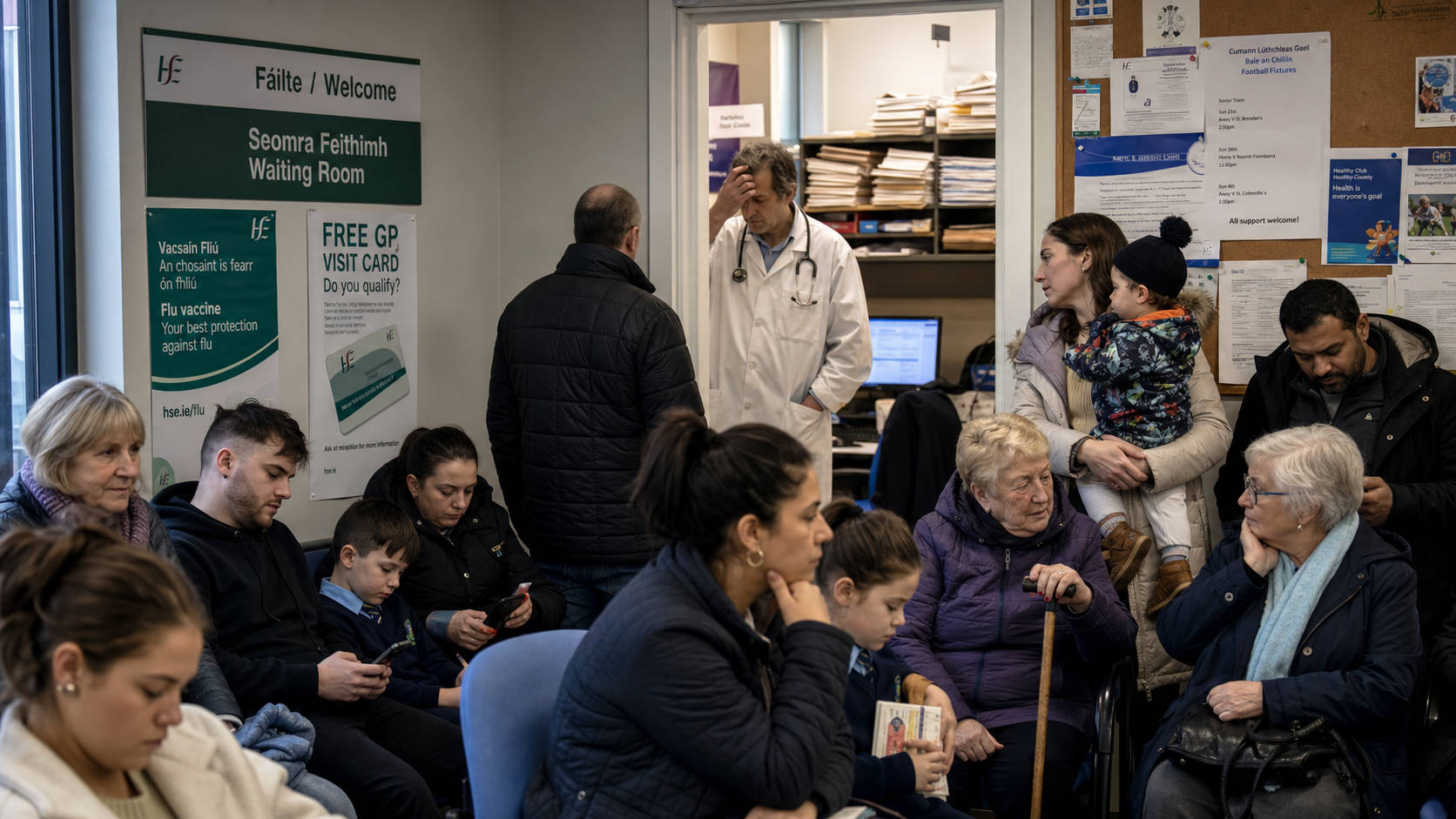
The scale of the problem is stark. As of September 2025, approximately 542,451 people were waiting for a first consultant-led outpatient appointment, with a further 91,645 waiting for inpatient or day case treatment. That represents more than a quarter of Northern Ireland's entire population on a waiting list for some form of healthcare — more than double the equivalent figure in England. Over half of those waiting for outpatient appointments have been waiting longer than a year, compared to just 5.4% in England.
Background
Northern Ireland's waiting list crisis did not emerge overnight. The problem has been building for more than a decade, driven by chronic underfunding, an ageing population, and a health service structure that has struggled to adapt to modern demand. The COVID-19 pandemic dramatically accelerated the deterioration, but the foundations of the crisis were laid long before the first lockdown.
In September 2023, the total elective care waiting list stood at approximately 545,000 people — 4.8 times higher than in June 2008. The Department of Health's own Elective Care Framework projected that without radical intervention, outpatient waiting lists could swell to 640,000 and inpatient lists to 306,000 by 2026. Those projections are now being borne out in real time.
Political deadlock at Stormont has compounded the problem significantly. The collapse of the devolved government left health policy in limbo for extended periods, preventing the implementation of necessary structural reforms. The British Medical Association has identified chronic underfunding as the primary driver of the crisis, noting that waiting list initiative funding fell from an annual average of £19.6 million between 2012 and 2017 to just £3.5 million between 2018 and 2020.
Key Developments
Emergency departments are among the worst affected areas of the health service. In the first quarter of 2026, over 37,000 patients waited more than 12 hours in an emergency department — the worst performance on record. In March 2026 alone, 12,549 patients waited over 12 hours, a 14% increase from the same month in 2025. Against a ministerial target of 91% of patients seen within four hours, major emergency departments achieved just 30.8%.
The Royal College of Emergency Medicine has linked these extensive delays to an estimated 1,032 excess deaths in 2025 alone — a figure that has shocked health professionals and politicians alike. Cancer care targets have also been consistently missed. Only 29.5% of patients started treatment within 62 days of an urgent GP referral for suspected cancer in late 2025, against a target of 95%. The urgent 14-day breast cancer referral standard was met for a mere 5.5% of patients — a target that has not been met since 2012.
Diagnostic waits add further pressure to the system. As of September 2025, 227,674 patients were waiting for a diagnostic test, with 38.6% of those having waited longer than the 26-week target. The largest backlogs are in ENT (60,433 patients) and gynaecology (54,710 patients) for outpatient appointments, and orthopaedics (23,256 patients) for inpatient treatment.
Why It Matters
The human cost of these waiting lists is immense and measurable. Research indicates that a quarter of local cancer diagnoses between 2012 and 2017 were made in emergency departments, suggesting significant deterioration in health while patients waited for planned care. A 2018 survey found that almost half of those on waiting lists reported their health worsening during the wait — a figure that will only have increased as waits have grown longer.
The Northern Ireland Audit Office has warned that long waits risk patients' conditions deteriorating, necessitating more complex and expensive treatments, and negatively impacting mental health and quality of life. Patients who can afford to are increasingly turning to private care, creating growing health inequalities that strike at the heart of the NHS's founding principles.
The financial implications are equally serious. The Department of Health has acknowledged that an estimated £707 million would be required to ensure waiting times do not exceed a year by 2026 — a target it has conceded cannot be met. The 2025/26 Stormont budget allocates 51% of its total to health, yet this largely addresses existing deficits rather than driving transformation.
Local Impact
For people across Belfast and Northern Ireland, the waiting list crisis is not an abstract statistic — it is a daily reality. Families in east Belfast wait years for orthopaedic surgery. Patients in north Belfast face dangerous delays in cancer diagnosis. GPs across the city report the psychological toll on patients who know they need treatment but cannot access it.
The crisis is also placing enormous strain on the voluntary and community sector, which has stepped in to provide support services that the health system cannot deliver. Belfast's hospitals — the Royal Victoria, the Mater, and the Ulster Hospital — are operating under sustained pressure, with staff working extraordinary hours to manage demand that the system was never designed to handle at this scale.
What's Next
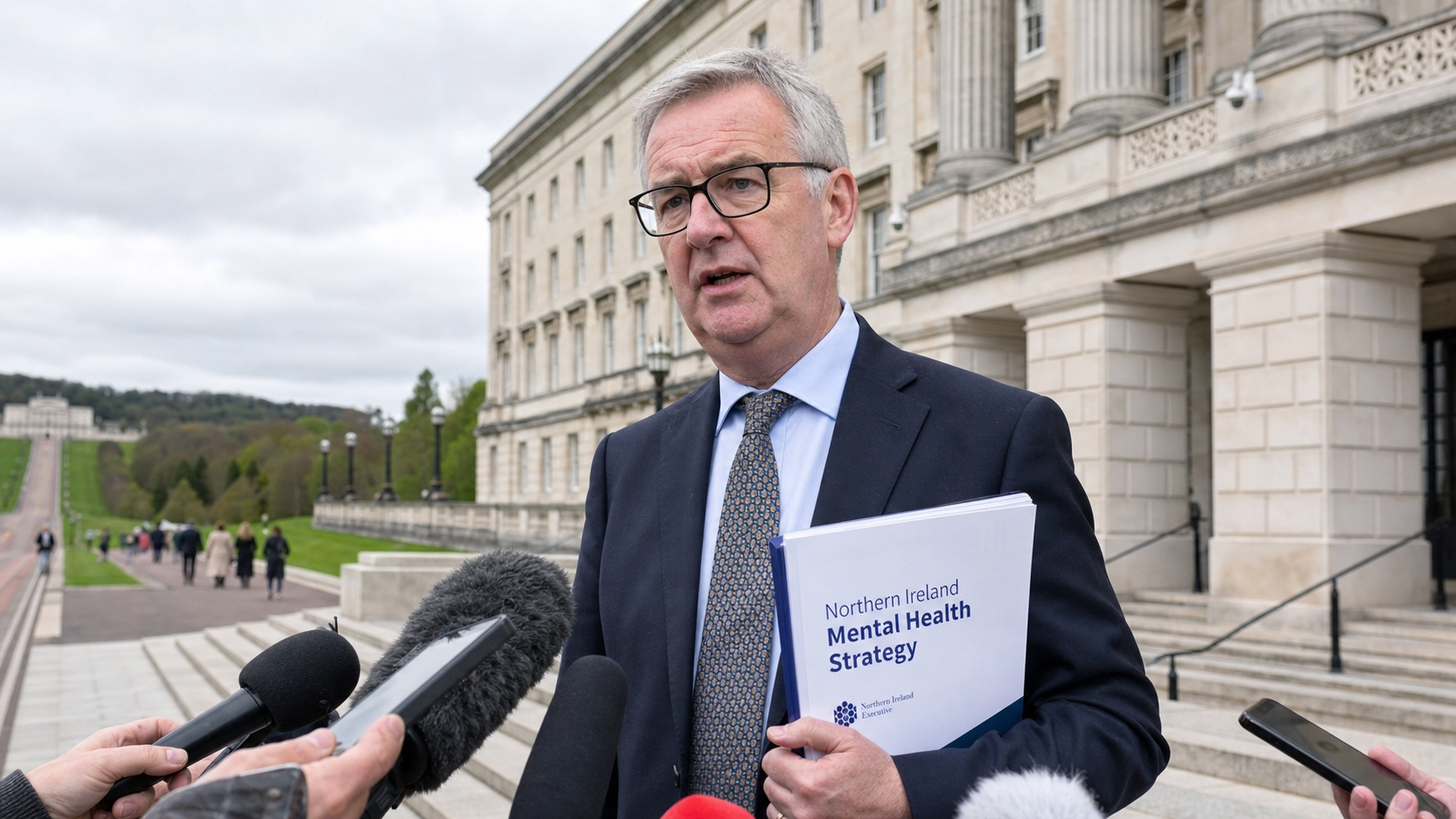
The newly restored Northern Ireland Executive has prioritised cutting waiting lists, but the scale of the challenge, coupled with political and financial instability, presents formidable barriers to meaningful reform. A looming fiscal cliff edge threatens to reduce funding from 2026/27, while a £230 million transformation fund remains largely unspent. Without a significant and sustained increase in both funding and political will, health experts warn the crisis will continue to deepen — and the human cost will continue to rise.
Full waiting list statistics are published by the Department of Health Northern Ireland. Analysis of the Stormont budget's impact on health spending is available at Agenda NI. The BMA's assessment of the crisis is available at BMA Northern Ireland.