NHS Resident Doctors' Strike Enters Final Days as Wes Streeting Warns of £300m Cost
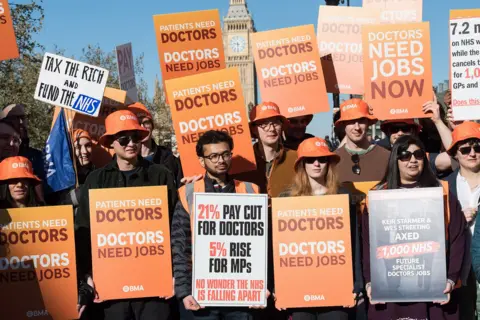
The NHS in England is in the final days of a six-day resident doctors' strike, with Health Secretary Wes Streeting warning that the walkout — the 15th round of industrial action since 2023 — will cost the health service an estimated £300 million, as senior officials discuss the possibility of banning doctors from striking altogether.
The strike, which began on 7 April and is scheduled to end at 7 a.m. on Monday 13 April, has prompted the NHS to issue public guidance urging patients to continue attending GP and dental appointments unless specifically contacted to reschedule.
Background
Resident doctors — formerly known as junior doctors — have been engaged in a prolonged dispute with the government over pay since 2023. The British Medical Association (BMA) rejected a government offer that included a 4.9% increase in average basic pay, arguing that doctors' pay has been eroded by up to 25% in real terms since 2008. The cumulative cost of all strikes since 2023 is projected to exceed £3 billion.
The dispute has taken place against a backdrop of significant NHS workforce pressures. While doctor numbers have increased — up 28% to February 2026 — the growth has not kept pace with patient demand. The NHS waiting list for consultant-led elective care in England stood at 7.25 million in April 2026, down from a peak of 7.7 million in 2023 but still historically high.
Key Developments
Health Secretary Wes Streeting expressed that he has not given up hope for a deal with resident doctors, but reiterated that the government has extended its offer as far as possible. He stated that resident doctors have been "standout winners" under the Labour Government and need to compromise to help the NHS navigate its challenges.
Professor Ramani Moonesinghe, national clinical director for critical and perioperative care at NHS England, acknowledged the "heroic efforts" of NHS staff in maintaining patient safety during the strike, particularly following the Easter bank holiday weekend. GP practices, pharmacies, and emergency care services have remained operational throughout the action.
Senior health officials have reportedly discussed the possibility of banning UK doctors from striking, reflecting growing governmental concern about the impact of repeated industrial action on patient care. Streeting has not ruled out the idea, though it would face significant opposition from unions and Labour MPs.
Why It Matters
The ongoing dispute is placing enormous strain on an NHS already grappling with record waiting lists, stretched emergency services, and a workforce crisis. Over 38% of A&E patients are waiting longer than four hours, against a 95% target, while only 72.5% of cancer patients are starting treatment within 62 days of an urgent GP referral, against an 85% target. Each round of strike action adds to the backlog and erodes public confidence in the health service.
What's Next
The strike is due to end at 7 a.m. on Monday 13 April. If no deal is reached before then, further rounds of industrial action remain a possibility. The government's 10-Year Health Plan — which aims to shift care from hospitals to communities and accelerate digital transformation — will be difficult to implement against a backdrop of continued workforce unrest.
For the latest NHS guidance during the strike, visit NHS England's news page.

