Northern Ireland Mpox Cases Rise Sharply as PHA Urges Eligible Groups to Seek Vaccination
Northern Ireland's Public Health Agency has confirmed a significant and rapid increase in mpox cases, with 21 cases of the clade Ib strain identified over a three-week period in June 2026 — more than double the total number of cases recorded in the region between 2023 and the end of June. Health Minister Mike Nesbitt has described the situation as consistent with broader UK and European trends and "under control," but the PHA is urging eligible individuals — particularly gay, bisexual, and other men who have sex with men with multiple sexual partners — to seek vaccination at local genitourinary medicine clinics without delay.
Background
Mpox, formerly known as monkeypox, is a viral disease caused by the monkeypox virus, a member of the same family as smallpox. The disease was first identified in humans in 1970 in the Democratic Republic of Congo, and for decades it was considered a rare disease confined primarily to Central and West Africa. The 2022 global outbreak, which affected over 100 countries and resulted in more than 90,000 confirmed cases, changed that picture dramatically, establishing mpox as a disease of global public health concern.
Northern Ireland experienced 34 cases of mpox during the 2022 outbreak, all of which were of the clade II strain that was circulating globally at that time. Between 2023 and the end of June 2026, only nine further cases were recorded in the region. The 21 cases identified in June 2026 are of the clade Ib strain, which is distinct from the clade II strain and has been associated with more severe disease in some settings. This is the first recorded instance of the clade Ib strain in Northern Ireland.
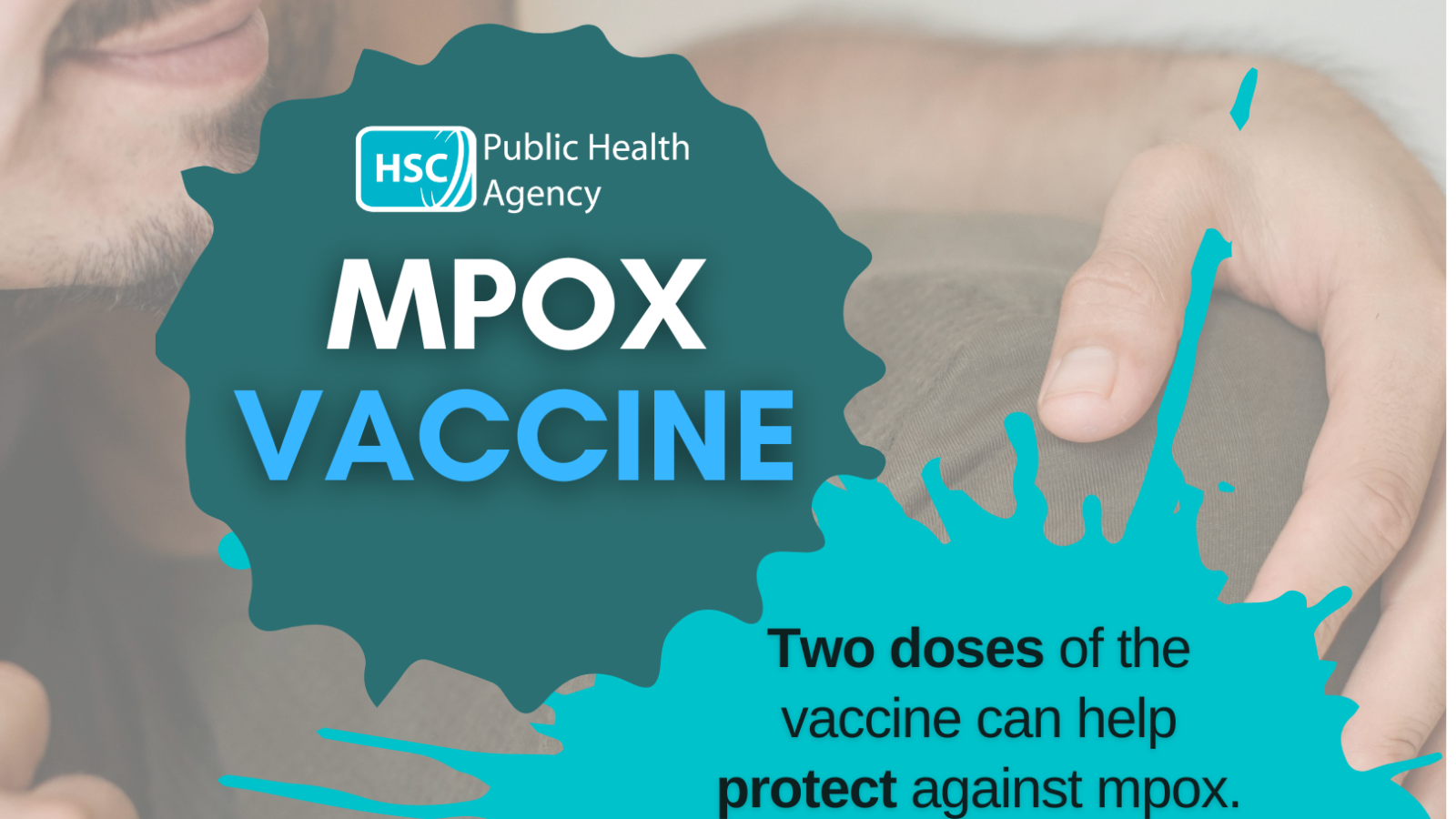
The mpox vaccine, which provides significant protection against the disease, has been available at GUM clinics across Northern Ireland since the 2022 outbreak. The PHA has consistently encouraged eligible individuals — primarily gay, bisexual, and other men who have sex with men with multiple sexual partners or who attend sex-on-premises venues — to receive the two-dose course of the vaccine. Those who completed a two-dose course in 2022 do not require further vaccination.
Key Developments
The PHA confirmed the 21 new cases of clade Ib mpox on July 2, 2026, and has been monitoring the situation closely since then. The cases are primarily concentrated within networks of gay, bisexual, and other men who have sex with men, consistent with the transmission patterns observed in previous outbreaks. The PHA has emphasised that the situation is under control and does not represent a "high consequence infectious disease" event, but has urged eligible individuals to seek vaccination as a precautionary measure.
Health Minister Mike Nesbitt stated that the figures are consistent with broader UK and European trends and that the health system is well prepared to manage the situation. The PHA has confirmed that mpox vaccines are available at GUM clinics across Northern Ireland, including at the Genito-Urinary Medicine clinic at the Royal Victoria Hospital in Belfast, the Altnagelvin Area Hospital in Derry/Londonderry, and clinics in Antrim, Newry, and Enniskillen.
Why It Matters
The emergence of the clade Ib strain in Northern Ireland is a reminder that mpox remains an active public health concern, and that the progress made in controlling the 2022 outbreak should not lead to complacency. The clade Ib strain has been associated with more severe disease in some settings, and its arrival in Northern Ireland underscores the importance of maintaining high vaccination coverage among eligible groups. The PHA's response — clear public communication, accessible vaccination services, and close monitoring of the situation — is the appropriate one, and the minister's characterisation of the situation as under control is reassuring. However, the rapid increase in cases over a three-week period is a reminder that mpox can spread quickly in susceptible populations, and that sustained vigilance is essential.
Local Impact
The PHA's appeal for vaccination has particular relevance for the LGBTQIA+ community in Belfast and across Northern Ireland, which has been the primary affected population in previous mpox outbreaks. The GUM clinic at the Royal Victoria Hospital in Belfast, which is the primary vaccination site for the greater Belfast area, has confirmed that it has sufficient vaccine stocks to meet demand and that appointments are available. The PHA has also confirmed that it is working with community organisations, including the Rainbow Project and other LGBTQIA+ support groups, to ensure that information about the vaccine and the current situation reaches the communities most at risk. The Belfast Pride festival, which took place in late July, provided an opportunity for the PHA to engage directly with the community and to encourage vaccination uptake.
What's Next
The PHA will continue to monitor the mpox situation in Northern Ireland closely and will publish regular updates on its website. Eligible individuals who have not yet received the mpox vaccine are urged to contact their local GUM clinic to book an appointment. The PHA has confirmed that it will review the situation in the coming weeks and will consider whether additional public health measures are necessary if the number of cases continues to rise. Full information about mpox, including symptoms, transmission, and how to access vaccination, is available on the PHA website.