Northern Ireland Economy Grew 0.7% in Q1 2026, Outpacing UK as Trade Surplus Hits Record
Northern Ireland's economy grew by 0.7 per cent in the first quarter of 2026, continuing to outperform the wider UK economy, which grew by 0.6 per cent in the same period, according to official data published by the Department for the Economy. Over the 12 months to Q1 2026, Northern Ireland's economy expanded by 3.6 per cent — more than triple the UK's 1.1 per cent growth rate — driven primarily by the services and production sectors. However, more recent business surveys suggest that growth has become "weak and uneven" in the second quarter, with rising costs and trade frictions emerging as significant headwinds for the private sector.
Background
Northern Ireland's economic performance since Brexit has been a subject of considerable interest and debate, with the region's unique position under the Windsor Framework — maintaining access to both the UK internal market and the EU single market for goods — providing a structural advantage that has contributed to its outperformance of the wider UK economy. The region's trade statistics have been particularly striking: total sales by Northern Ireland companies reached a record high of £109.3 billion in 2024, a 7.5 per cent increase from 2023, and the region maintained a trade surplus with all major trade partners, including Great Britain, Ireland, the rest of Europe, and the rest of the world.
Ireland remains Northern Ireland's largest export market, with exports to the Republic totalling £10.5 billion in 2024. This cross-border trade relationship has been one of the most significant economic benefits of the Windsor Framework, and its continued growth reflects the deep integration of the two economies and the importance of the all-island market for Northern Ireland businesses, particularly in the agri-food, manufacturing, and services sectors.
The business population in Northern Ireland has also shown resilience, with the number of VAT and PAYE registered businesses rising by 1.9 per cent to 82,680 as of March 2026, marking the twelfth consecutive year of growth. The construction sector saw the largest percentage growth in the number of businesses, while the services sector provided the largest absolute growth. Belfast remains the primary business hub, hosting 14.6 per cent of all registered businesses in the region.
Key Developments
Despite the strong headline figures, the most recent business surveys paint a more cautious picture. The Belfast Telegraph reported this week that growth in the Northern Ireland private sector has become "weak and uneven" in the second quarter of 2026, with businesses citing weak demand, high costs, and trade frictions as the primary challenges. The trade frictions in question relate primarily to the ongoing complexities of the Windsor Framework, which, while providing significant benefits, also imposes administrative burdens on businesses trading between Great Britain and Northern Ireland.
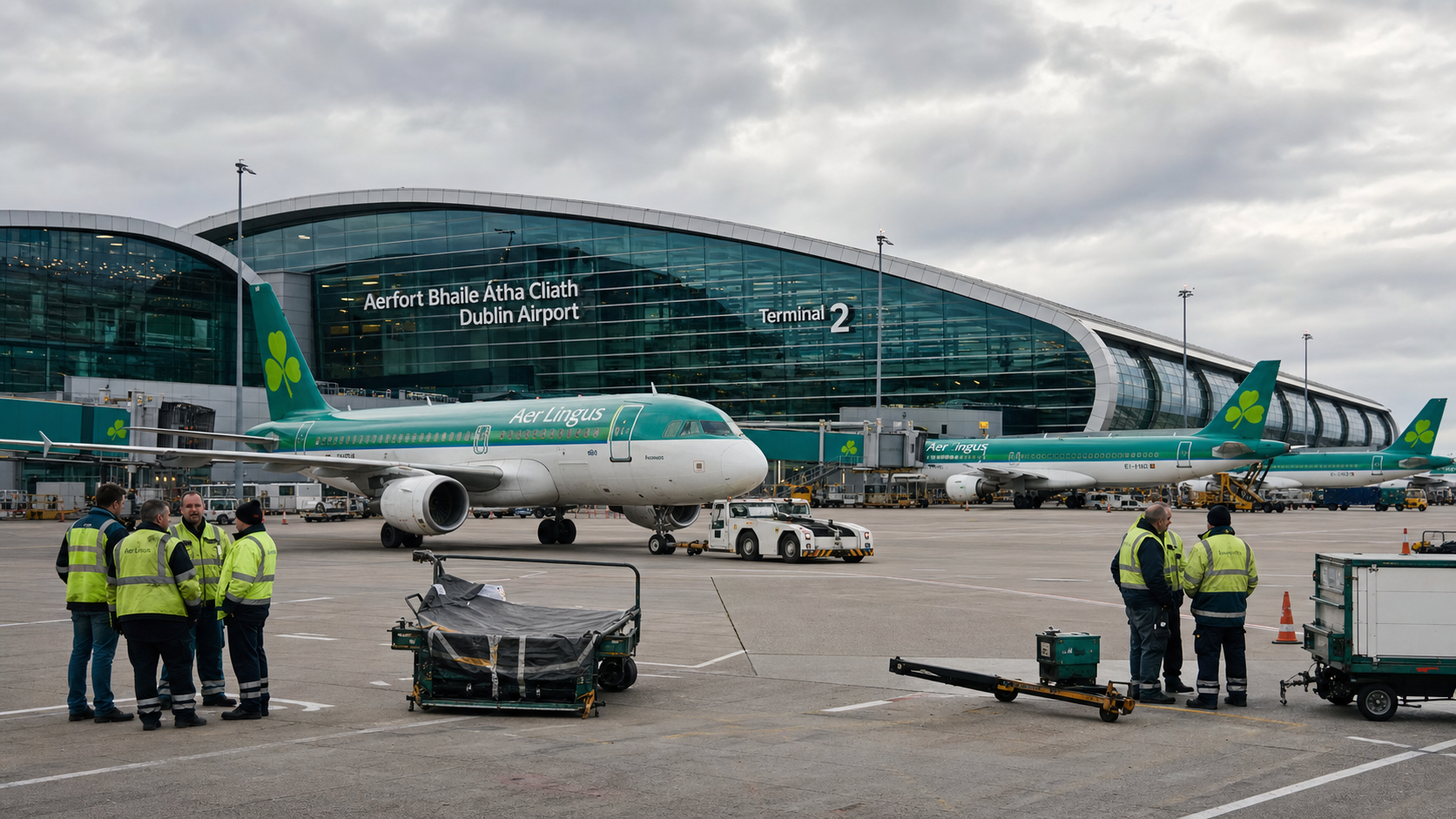
Economy Minister Dr Caoimhe Archibald has publicly criticised the British Government's decision to impose Air Passenger Duty on the Derry-Dublin air service, citing its strategic importance for connectivity between the north-west of Ireland and the capital. The minister has also highlighted the importance of the flood protection pilot programme in Newry, which is designed to safeguard local businesses in an area that has been repeatedly affected by flooding in recent years.
Why It Matters
Northern Ireland's economic performance matters for several reasons. The region has historically lagged behind the rest of the UK in terms of productivity and private sector employment, with a disproportionate reliance on the public sector that has made it vulnerable to cuts in public spending. The recent outperformance of the wider UK economy is therefore genuinely significant, and reflects the structural advantages that the Windsor Framework has provided. However, the emergence of "weak and uneven" growth in the second quarter is a reminder that the region's economic position remains fragile, and that the benefits of the Windsor Framework need to be complemented by sustained investment in infrastructure, skills, and innovation if Northern Ireland is to achieve the sustained economic transformation that its people deserve.
Local Impact
The economic data has direct implications for communities across Northern Ireland. The growth in business numbers and employment has been felt most strongly in Belfast and the greater Belfast area, but the benefits have also been evident in regional centres such as Derry/Londonderry, Newry, and Antrim. The construction sector's strong performance has contributed to a modest improvement in housing supply, though the region continues to face significant challenges in meeting demand for affordable housing. The agri-food sector, which is one of Northern Ireland's most important industries, has benefited from continued access to EU markets under the Windsor Framework, and its performance has been a significant contributor to the region's trade surplus.
What's Next
The Department for the Economy is expected to publish its next quarterly economic bulletin in October 2026, which will provide a more comprehensive picture of the region's performance in the second quarter. The Economy Minister has indicated that she will bring forward a new economic strategy for Northern Ireland in the autumn, building on the strengths identified in the recent data while addressing the challenges of weak demand and trade frictions. The Stormont Executive's Programme for Government, which is currently being finalised, is expected to include a series of measures designed to support economic growth and investment across the region.