Northern Ireland Business Register Records 12th Consecutive Year of Growth as Enterprise Sector Expands
The number of businesses registered in Northern Ireland grew by 1.9% in the year to March 2026, according to new figures from the Department for the Economy that mark the twelfth consecutive year of expansion in the region's business register — a sustained run of growth that reflects the gradual strengthening of Northern Ireland's enterprise sector despite the significant economic headwinds of recent years.
Background
The Northern Ireland Inter-Departmental Business Register, which tracks the number of active businesses across the region, has become one of the most closely watched indicators of economic health in Northern Ireland. Unlike headline GDP figures, which can be distorted by the activities of a small number of large companies, the business register provides a ground-level view of enterprise activity — the number of people who have decided to start or maintain a business, and the sectors in which they are doing so.
The twelve-year run of consecutive growth is a significant achievement in the context of Northern Ireland's economic history. The region spent much of the 1990s and 2000s recovering from the economic damage of the Troubles, and the global financial crisis of 2008-09 hit the construction and property sectors particularly hard. The sustained growth since 2014 reflects a genuine improvement in the underlying conditions for business — lower unemployment, rising consumer confidence, and the gradual development of a more diverse economic base.
The 1.9% growth rate for the year to March 2026 is broadly in line with the trend of recent years, though it represents a slight moderation from the stronger growth recorded in 2023 and 2024. Economists have attributed the moderation to the impact of higher interest rates on business investment and the uncertainty created by global trade tensions, both of which have made businesses more cautious about expansion.
Key Developments
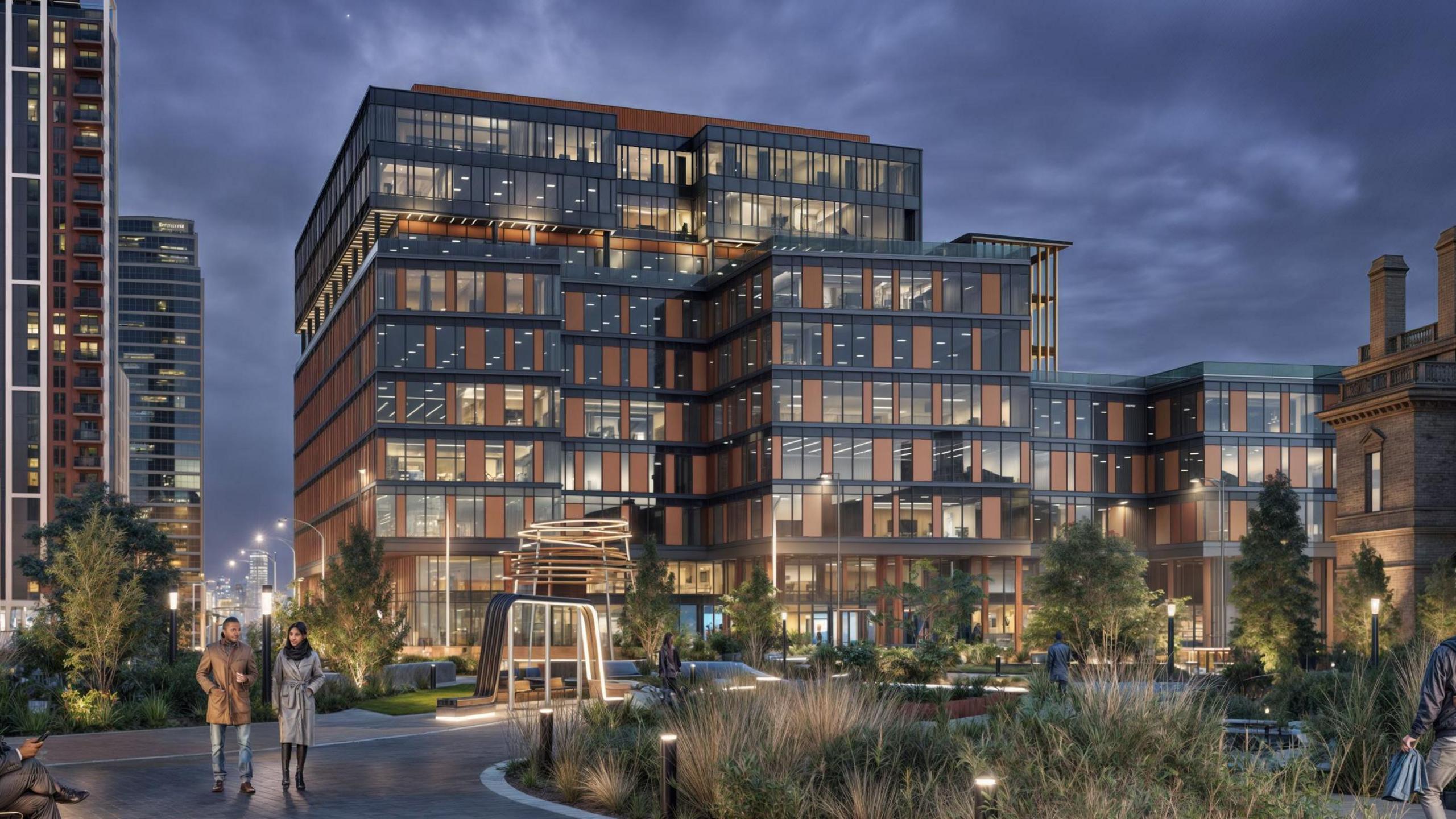
The construction sector recorded the largest proportional increase in registered businesses, reflecting the ongoing development activity in Belfast and other urban centres. The city's skyline has been transformed over the past decade by a wave of hotel, office, and residential construction, and the pipeline of planned projects suggests that this activity will continue for several years. The services sector — which encompasses everything from professional services and financial services to hospitality and retail — also recorded strong growth, consistent with the broader shift in Northern Ireland's economy towards service-based industries.
The manufacturing sector, which has historically been a significant employer in Northern Ireland, showed more modest growth, reflecting the challenges facing the sector globally. The agri-food industry, which is one of Northern Ireland's most important manufacturing sub-sectors, has been navigating the complexities of post-Brexit trading arrangements, and while the Windsor Framework has provided some clarity, uncertainty remains about the long-term regulatory environment.
The geographic distribution of new business registrations shows a continued concentration in Belfast and the greater Belfast area, though there are encouraging signs of growth in other urban centres including Derry/Londonderry, Newry, and Antrim. The Department for the Economy has been working to encourage enterprise activity outside the capital through targeted support programmes and investment in regional infrastructure.
Why It Matters
Twelve consecutive years of growth in the business register is not a trivial achievement. It means that, through a period that included Brexit, a global pandemic, a cost-of-living crisis, and significant political instability at Stormont, the number of people choosing to start and maintain businesses in Northern Ireland has continued to increase. That is a measure of resilience and of the underlying confidence that entrepreneurs have in the region's economic prospects. It also matters because small and medium-sized businesses are the backbone of Northern Ireland's private sector, providing the majority of private sector employment and generating the tax revenues that fund public services. A growing business register is, in the most direct sense, a growing economy — one that is creating opportunities and generating wealth at the grassroots level.
Local Impact
The growth in registered businesses has tangible effects on communities across Northern Ireland. New businesses create jobs, generate local spending, and contribute to the vitality of town centres and commercial areas. In Belfast, the growth of the services sector has been particularly visible in the city centre, where new restaurants, bars, and retail outlets have transformed areas that were previously underused. In smaller towns and rural areas, the growth of construction and services businesses has provided employment opportunities that reduce the pressure on young people to leave for larger cities. The Department for the Economy's regional enterprise programmes have played a role in supporting business formation outside Belfast, and the data suggests that these efforts are beginning to bear fruit.
What's Next
The Department for the Economy will publish a more detailed breakdown of the business register data in the coming weeks, including analysis of business survival rates and the characteristics of new registrations. The department is also expected to publish its updated economic strategy for Northern Ireland later in 2026, which will set out the government's priorities for enterprise development over the next five years. Key areas of focus are expected to include the development of the clean energy sector, the expansion of the technology and professional services industries, and the improvement of productivity across the economy — the persistent gap between Northern Ireland's productivity levels and those of the rest of the UK remains the most significant structural challenge facing the region's economy.