Northern Ireland Barristers Vote to End Six-Month Strike Over Criminal Legal Aid Rates
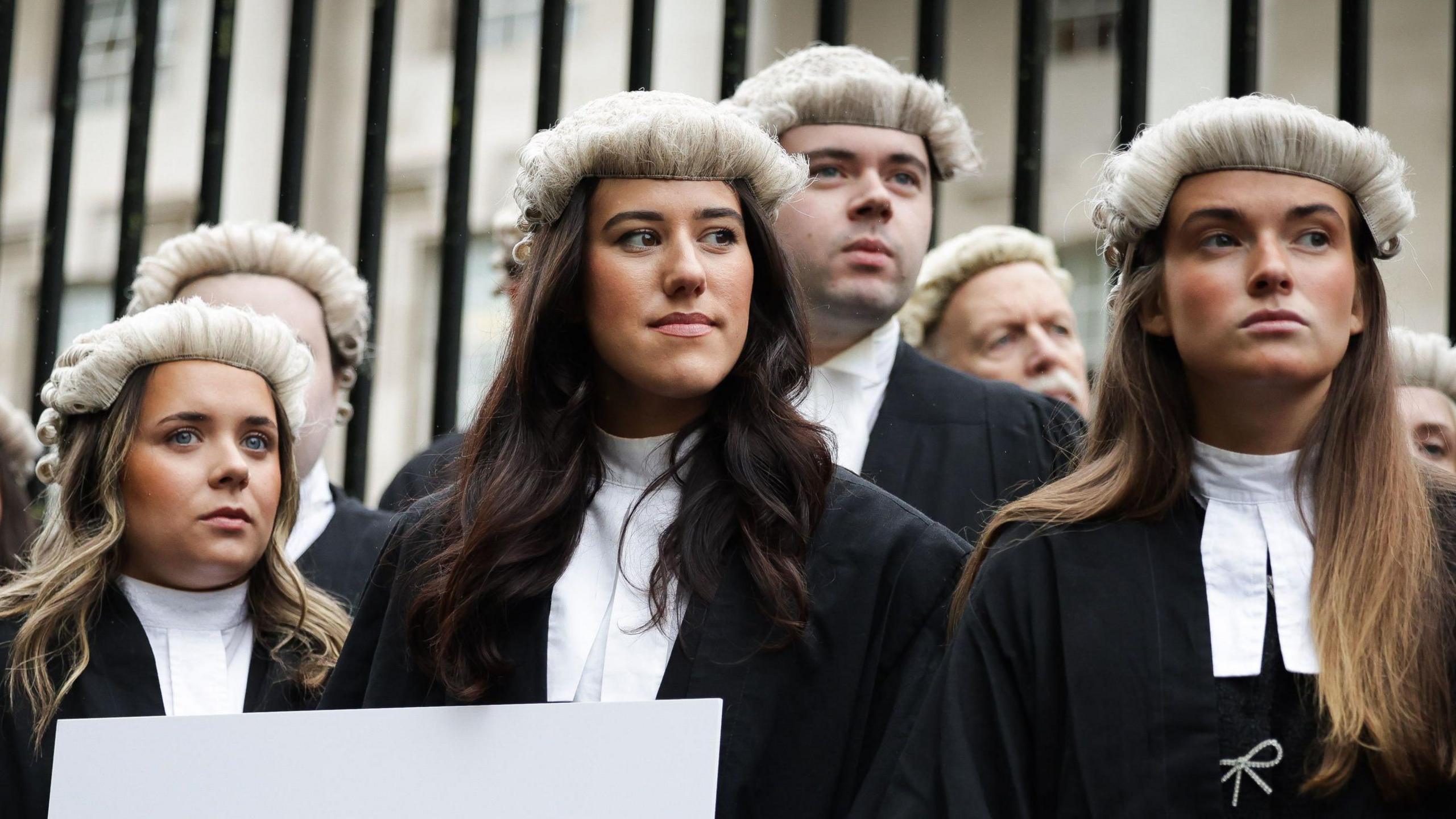
Barristers in Northern Ireland have voted to end their six-month industrial action over criminal legal aid fees, bringing to a close one of the most prolonged disputes in the history of the Northern Ireland Bar and opening the way for courts to begin addressing a substantial backlog of cases that accumulated during the strike.
Background
The dispute between the Bar Council of Northern Ireland and the Department of Justice over criminal legal aid rates has been building for years. Barristers who undertake criminal legal aid work — representing defendants who cannot afford to pay privately — have argued that the fees paid by the state have failed to keep pace with inflation and the increasing complexity of criminal cases. The result, they contend, is that criminal legal aid has become economically unviable for many practitioners, threatening the sustainability of the criminal Bar and, by extension, the right to a fair trial for those who depend on publicly funded representation.
The Department of Justice, operating within the constraints of the Stormont budget, has consistently argued that it cannot afford the increases demanded by the Bar Council without corresponding cuts elsewhere in the justice system. The impasse led to the Bar Council balloting its members on industrial action, with the result that barristers voted to withdraw their services from criminal legal aid cases — a decision that took effect six months ago and immediately began to cause serious disruption to the courts.
Crown Court cases involving serious charges — murder, rape, major fraud — were among those most severely affected, as these are precisely the cases that require the most experienced barristers and that cannot easily be handled by solicitors alone. The backlog that accumulated during the strike will take months, if not years, to clear, even with the dispute now resolved.
Key Developments
The Bar Council announced on 18 June that its members had voted to end the industrial action following negotiations with the Department of Justice that produced a revised offer on legal aid rates. The precise terms of the settlement have not been made public, but the Bar Council indicated that the agreement represents a meaningful improvement on the rates that were in place before the strike began.
The resolution was welcomed by the Lord Chief Justice and by the Department of Justice, both of which had been pressing for a negotiated settlement throughout the dispute. The courts service has indicated that it will begin working through the backlog immediately, prioritising cases involving defendants who have been on remand — held in custody awaiting trial — during the period of the strike.
The Bar Council has made clear that the settlement, while welcome, does not fully resolve the underlying concerns about the long-term sustainability of criminal legal aid in Northern Ireland. It has indicated that it will continue to press for a comprehensive review of the legal aid system, including the fee structures for all categories of criminal work.
Why It Matters
The resolution of the barristers' strike matters most immediately for the defendants, complainants, and witnesses whose cases have been delayed for months. For those on remand — held in custody while awaiting trial — the delay has meant additional time in prison for offences of which they have not yet been convicted. For complainants in serious cases, including victims of sexual violence, the delay has prolonged the period of uncertainty and distress that comes with waiting for a case to be heard.
More broadly, the dispute has highlighted the fragility of the criminal justice system's dependence on a relatively small pool of practitioners willing to undertake legal aid work. If the rates paid for that work are not sufficient to sustain a viable practice, the pool will shrink — and with it, the quality and availability of representation for those who cannot afford to pay privately. This is not a problem unique to Northern Ireland; similar disputes have occurred in England and Wales and in the Republic, where criminal legal aid solicitors are currently engaged in their own industrial action.
Local Impact
For the courts in Belfast — Laganside Courts, the Crown Court, and the Magistrates' Court — the end of the strike will allow a return to normal operations, though the backlog will take considerable time to clear. The courts service has indicated that additional sitting days will be scheduled in the autumn to help address the accumulated caseload. Defendants whose cases were adjourned during the strike will be contacted with new hearing dates in the coming weeks.
For the legal profession in Northern Ireland more broadly, the resolution of the dispute provides a degree of stability after a period of significant uncertainty. Junior barristers, who are most dependent on legal aid work in the early stages of their careers, will be particularly relieved by the return to normal working.
What's Next
The Department of Justice has committed to a review of the criminal legal aid system within the next twelve months, with the Bar Council and the Law Society of Northern Ireland both expected to participate. The courts service will publish a backlog clearance plan by the end of July, setting out the additional sitting days and resources that will be deployed to address the accumulated caseload. The first priority will be cases involving defendants on remand, followed by the oldest outstanding Crown Court cases.