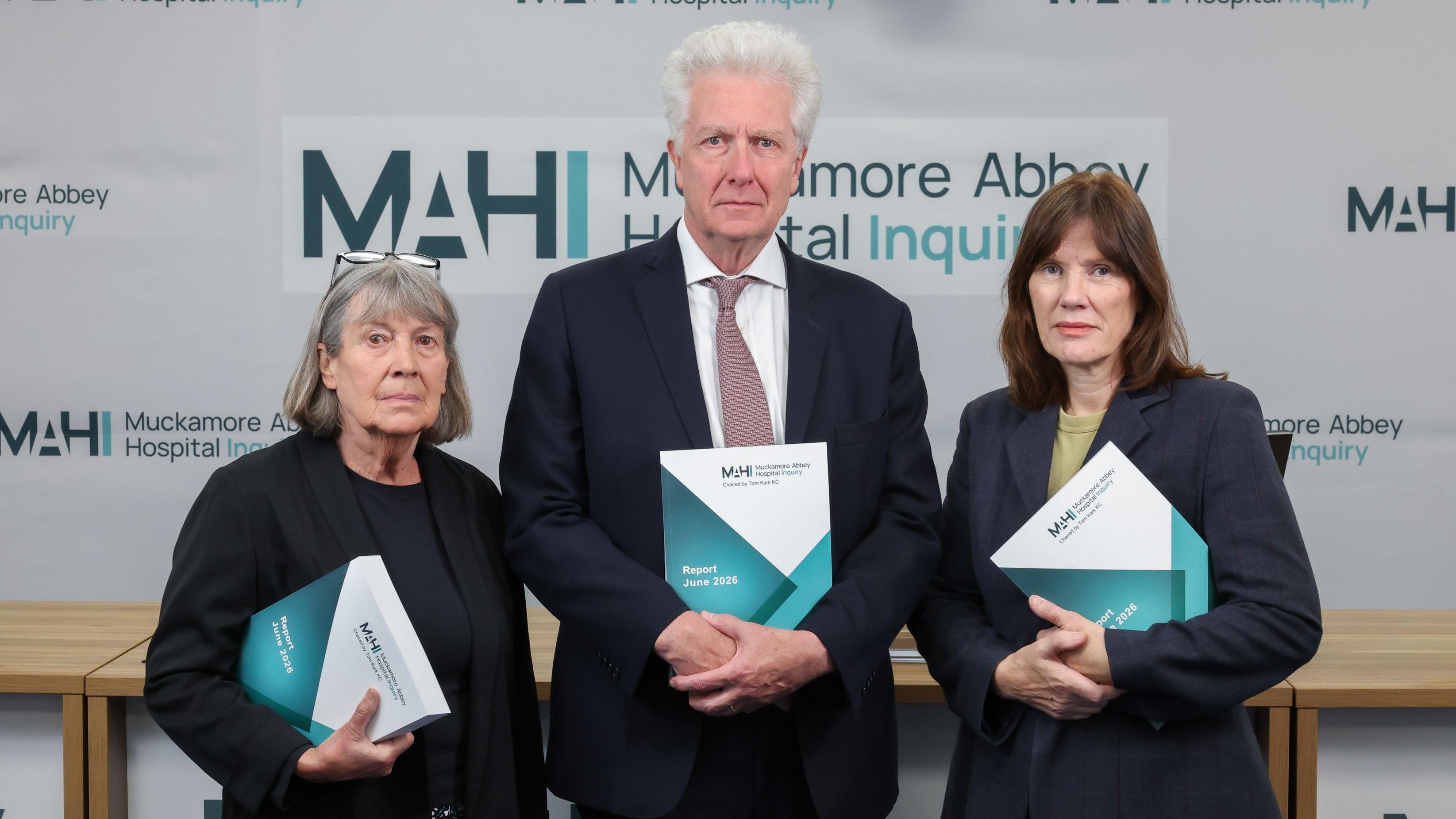
Muckamore Abbey Inquiry Confirms Systemic Abuse of Vulnerable Patients as Health Minister Issues Formal Apology
The final report of the Muckamore Abbey Hospital Inquiry has been published, delivering a damning verdict on years of systemic abuse and neglect suffered by patients with learning disabilities at the Antrim facility — and prompting a formal apology from Health Minister Mike Nesbitt on behalf of the entire Health and Social Care system in Northern Ireland.
Background
Muckamore Abbey Hospital, located near Antrim town, has been at the centre of one of the most disturbing healthcare scandals in Northern Ireland's history. The facility, which provides inpatient care for adults with learning disabilities and complex needs, came under intense scrutiny in 2017 when CCTV footage emerged showing staff members physically abusing patients. What followed was a years-long process of investigation, inquiry, and painful reckoning for families who had trusted the institution with the care of their most vulnerable relatives.
The Public Inquiry into Muckamore Abbey Hospital was established to examine the full extent of the abuse, the systemic failures that allowed it to persist, and the adequacy of the response by the Belfast Health and Social Care Trust, which manages the facility, and the wider health system. Evidence sessions ran from June 2022 to March 2025, hearing testimony from patients, families, former staff, and senior health officials. The process was lengthy and at times deeply distressing for those who participated, but families consistently maintained that the truth had to be established in full.
The Belfast Trust had already acknowledged that abuse took place and had apologised on multiple occasions, but families and advocacy groups argued that those apologies were insufficient without a full accounting of how the abuse was allowed to happen, who knew what and when, and what structural failures enabled it to continue for so long. The inquiry was their mechanism for obtaining that accounting.
Key Developments
The final report, published on 18 June 2026, confirms what families had long maintained: that patients at Muckamore Abbey endured systemic abuse and bullying that made their lives "miserable," and that the failures in care were not isolated incidents but reflected deep-seated problems in the culture and oversight of the facility.
Health Minister Mike Nesbitt, who received the report ahead of its publication, described it as a "watershed moment" for the health system and issued a formal apology. "I offer a sincere and heartfelt apology to all those who have been harmed by the unacceptable and sustained failures in their care," Nesbitt said, acknowledging that the system had failed the most vulnerable people in its charge.
Campaign groups representing the families of those affected welcomed the report as a vindication of their years of advocacy. Many families had faced scepticism and institutional resistance when they first raised concerns, and the inquiry's findings confirm that their accounts were accurate and their demands for accountability were justified.
Why It Matters
The Muckamore Abbey inquiry is the most significant examination of institutional care failures in Northern Ireland since the Historical Institutional Abuse inquiry, which examined abuse in children's residential institutions. Its findings carry implications that extend well beyond the single facility in Antrim.
Northern Ireland's learning disability services have faced persistent challenges around staffing, oversight, and the transition from institutional to community-based care — a transition that has been slower and more contested here than in many comparable jurisdictions. The inquiry's findings will inevitably prompt questions about whether the conditions that allowed abuse to flourish at Muckamore could exist elsewhere in the system, and what structural changes are needed to prevent a recurrence.
The report also arrives at a moment when the Belfast Trust is under significant pressure on multiple fronts — waiting lists, the delayed new maternity hospital, and ongoing staffing difficulties. The additional weight of the Muckamore findings will test the Trust's leadership and its capacity to implement meaningful reform while managing day-to-day operational pressures.
Local Impact
For the families of Muckamore patients — many of whom live across the greater Belfast area, Antrim, and the wider eastern and northern parts of Northern Ireland — the publication of the report represents the culmination of a campaign that has consumed years of their lives. Some families have been fighting for recognition since the original CCTV footage emerged nearly a decade ago. The formal apology from the Health Minister, while it cannot undo the harm done, provides a measure of official acknowledgement that many had feared they would never receive.
For staff at Muckamore and across the Belfast Trust's learning disability services, the report will require a period of reflection and, in some cases, accountability. The inquiry is expected to make recommendations regarding individual conduct as well as systemic reform, and the Trust will be required to respond formally to those recommendations within a specified timeframe.
What's Next
The Department of Health has committed to publishing a formal response to the inquiry's recommendations within six months of the report's publication. The Health Minister has indicated that an implementation plan will be developed in consultation with families and advocacy groups. Separately, the PSNI has confirmed that its criminal investigation into alleged abuse at Muckamore remains ongoing, and that the inquiry's findings will be considered in the context of that investigation. A number of individuals have already faced criminal proceedings arising from the original CCTV footage, and further charges remain possible.