NI Health Department to Shift 'Tens of Millions' from Hospitals into Community Care in Major Reset
Northern Ireland's Department of Health has confirmed it is pursuing the most significant restructuring of health service delivery in a generation, with a senior official revealing that tens of millions of pounds will be moved from hospital budgets into community-based care as part of a "Reset Plan" designed to transform how the region's overstretched health system operates. The plan centres on the creation of 17 Integrated Neighbourhood Teams across Northern Ireland by the end of this month.
Background
Northern Ireland's health service has been in a state of sustained crisis for years. Waiting lists are among the longest in the United Kingdom, with hundreds of thousands of patients waiting for first consultant appointments and tens of thousands waiting for elective procedures. The five Health and Social Care Trusts — Belfast, South Eastern, Southern, Western, and Northern — have been operating under severe financial pressure, with the Stormont budget crisis adding a further layer of uncertainty to an already fragile system.
The fundamental problem, as health officials have long acknowledged, is structural. Northern Ireland's health system was designed around a hospital-centric model that made sense in the mid-twentieth century but is increasingly ill-suited to the demands of an ageing population with complex, long-term conditions. Too many patients end up in hospital beds not because they need acute care but because the community infrastructure to support them at home or in local settings simply does not exist at sufficient scale.
The Reset Plan, developed by the Department of Health under the direction of top official Mike Farrar, represents an attempt to break this cycle. The ambition is to shift the centre of gravity of the health system away from hospitals and towards the community — not by cutting hospital services, but by building up the community infrastructure that can prevent hospital admissions in the first place and support earlier discharge for those who do need acute care.
Key Developments
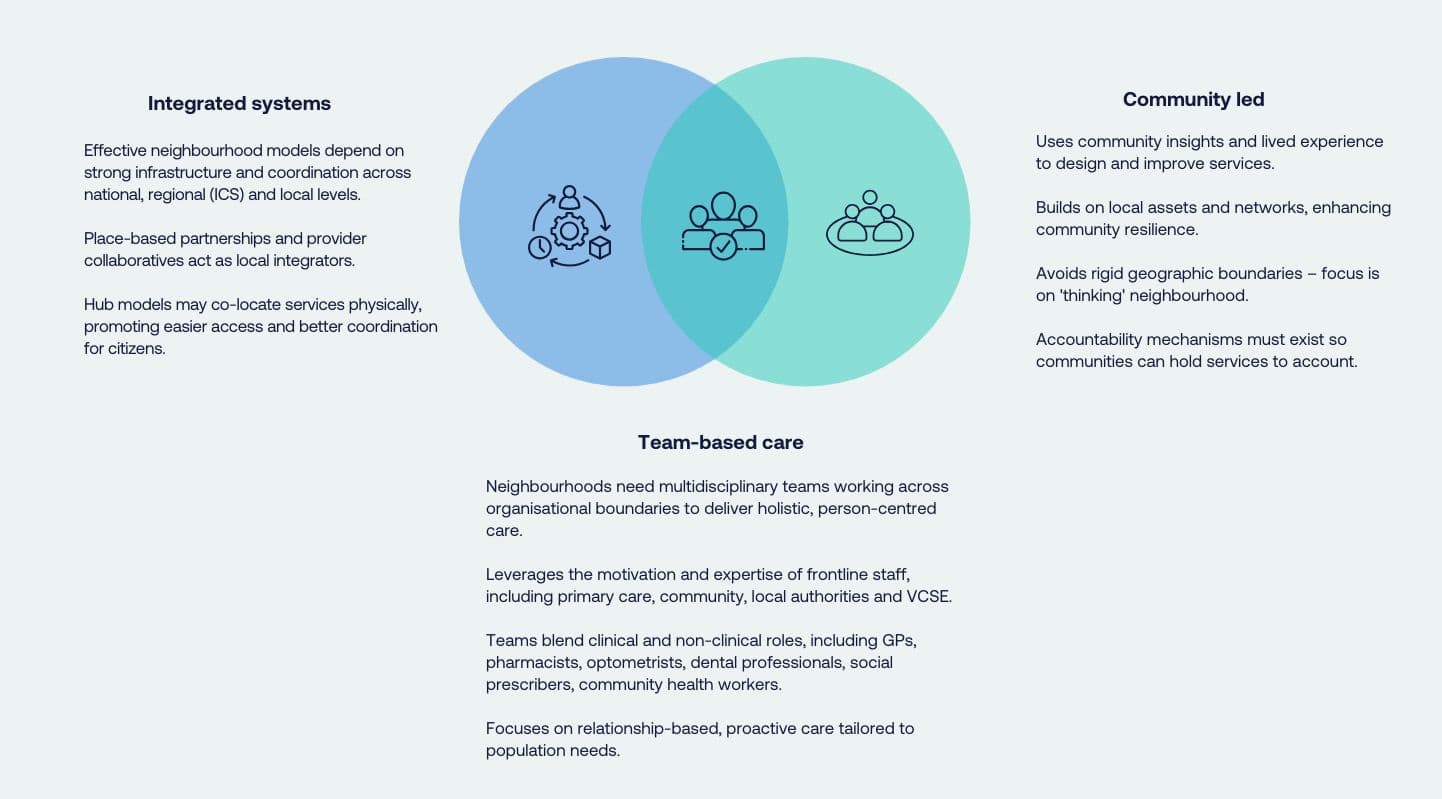
Mike Farrar, the Department of Health's chief executive, outlined the plan's core elements in a briefing to health stakeholders this week. The centrepiece is the creation of 17 Integrated Neighbourhood Teams — multidisciplinary groups of GPs, nurses, social workers, mental health practitioners, and community support workers — that will be established across Northern Ireland by the end of June 2026. Each team will be responsible for a defined geographic area and will work proactively to manage the health needs of the population in that area, rather than simply responding to crises.
"We want Northern Ireland to be a trailblazer for this kind of reform," Farrar told stakeholders. "The current model, where health consumes half of the entire Northern Ireland budget and still cannot meet demand, is not sustainable. We have to change how we work, and that means investing in the community." The financial reallocation — described as "tens of millions" — will come from within existing health budgets rather than from new money, a point that has raised concerns among hospital managers about the impact on acute services.
MLAs have already raised questions about the plan's implementation, with several pointing to the fact that over 600 patients who are medically fit to leave hospital are currently occupying beds because there are insufficient community care packages to support them at home. This "delayed discharge" problem is precisely what the Integrated Neighbourhood Teams are designed to address, but critics argue that the teams cannot be built quickly enough to make a meaningful difference in the short term.
Why It Matters
The Reset Plan matters because it represents a genuine attempt to address the structural causes of Northern Ireland's health crisis rather than simply managing its symptoms. Every year, the health service absorbs more money and produces longer waiting lists — a pattern that cannot continue indefinitely. The shift towards community care is not a new idea; health systems across the developed world have been moving in this direction for decades. But Northern Ireland has been slower than most to make the transition, partly because of the political instability that has repeatedly disrupted long-term planning at Stormont.
The timing is also significant. The plan is being implemented against the backdrop of the recent civil disorder in Belfast, which placed enormous additional strain on health services and highlighted the vulnerability of a system that was already operating at the margins of its capacity. Health and Social Care Trust chief executives issued a joint statement this week condemning the intimidation of international staff during the disorder — a reminder that the workforce challenges facing the health service extend well beyond funding and structure.
For context, England's NHS has been pursuing a similar community-first strategy since the publication of the Fuller Stocktake report in 2022, with mixed results. Scotland's approach, through its Integration Joint Boards, offers both lessons and warnings for Northern Ireland's planners. The key difference in the NI context is the scale of the challenge relative to the resources available.
Local Impact
The practical impact of the Reset Plan will be felt differently across Northern Ireland's five trust areas. In the Western Trust, which covers Derry/Londonderry, Omagh, and the wider west of the region, the challenge of delivering community care across a large and sparsely populated rural area is particularly acute. In the Belfast Trust, the concentration of acute services and the complexity of the urban population present different but equally significant challenges. The Southern Trust, covering Armagh, Newry, and Mourne, has been piloting some elements of the integrated neighbourhood model and is expected to be among the first to have its teams fully operational.
What's Next
The Department of Health has set a deadline of 30 June 2026 for the establishment of all 17 Integrated Neighbourhood Teams. A progress review is planned for September, at which point the department will assess whether the financial reallocation is having the intended effect on hospital admission rates and delayed discharges. The Stormont Health Committee is expected to hold a dedicated scrutiny session on the Reset Plan in July. Health Minister Mike Nesbitt has indicated he will make a statement to the Assembly on the plan's progress before the summer recess.